A car battery is a very important part of a car. It helps the car start and keeps many parts working.
But what is the voltage in a car battery? Why does it matter? This article will explain everything in simple words.
What is Voltage?
Voltage is a word used in electricity. It tells us how much power the battery can give. Think of voltage like water pressure in a hose.
More pressure means more water can flow. In a battery, more voltage means more electric power can flow.
Voltage is measured in volts. We write it as “V.” For example, a 12V battery means it has 12 volts of power.

Credit: batteryspecialists.com.au
The Common Voltage of a Car Battery
Most car batteries have a voltage of 12 volts. This means they give 12 volts of electric power. This is the usual voltage for cars you see on the road.
Why 12 volts? Because it is enough power to start a car engine. It also powers lights, radio, and other parts when the engine is off.
How Does A Car Battery Get 12 Volts?
A car battery has many small cells inside. Each cell gives about 2 volts. When you add 6 cells together, you get 12 volts.
Each cell works by a chemical process. It changes chemical energy into electric energy. This process makes the battery give power to the car.
What Happens if the Voltage is Too Low?
If the voltage drops too low, the car may not start. This is because the battery cannot send enough power.
Low voltage can happen for many reasons:
- The battery is old and weak.
- The battery is not charged enough.
- There is a problem with the car’s electrical system.
When the voltage is low, you might hear clicking sounds when you try to start the car. Or the lights may be dim.
What Happens if the Voltage is Too High?
Car batteries do not usually have too high voltage. The car’s electrical system controls the voltage.
If the voltage is too high, it can damage car parts. This is why the car has a regulator to keep voltage safe.
How to Measure Voltage in a Car Battery?
You can check the voltage of a car battery with a tool called a multimeter. It tells you the exact voltage.
To measure, you connect the multimeter to the battery’s two terminals. One terminal is positive (+), and the other is negative (-).
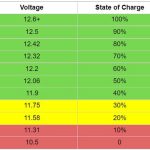
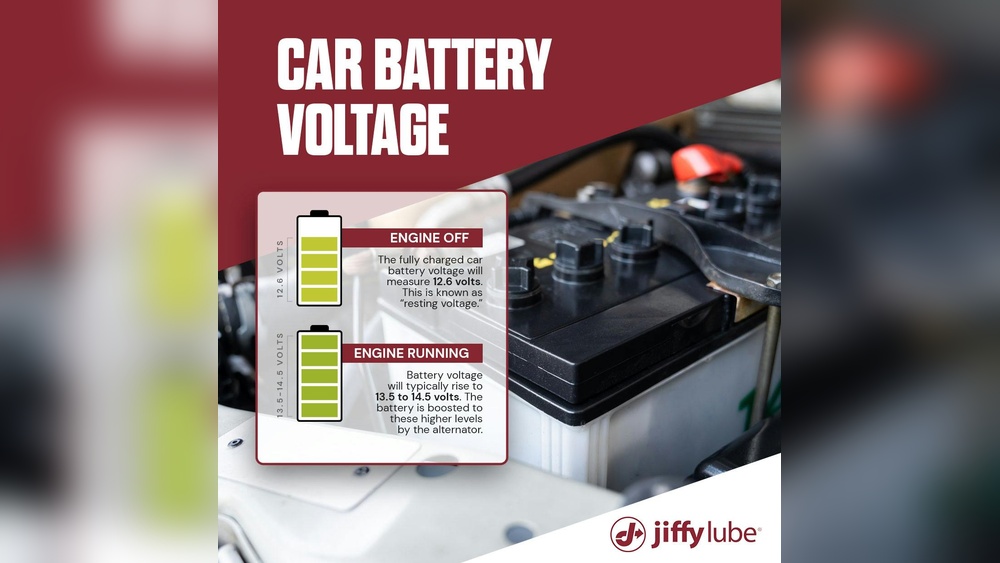
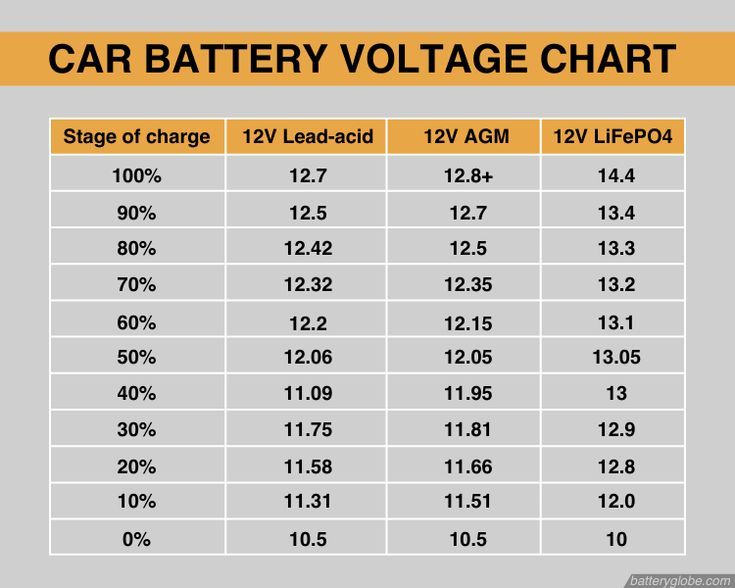
A healthy, fully charged car battery should show around 12.6 volts when the engine is off.
| Battery Status | Voltage Range (Volts) |
|---|---|
| Fully Charged | 12.6 to 12.8 |
| Partially Charged | 12.4 to 12.6 |
| Low Charge | Below 12.4 |
| Very Low / Needs Charging | Below 12.0 |
If the voltage is below 12 volts, the battery might need charging or replacement.
Voltage When the Engine is Running
When the engine is on, the voltage is higher. This is because the car’s alternator charges the battery.
The voltage usually goes between 13.5 and 14.5 volts while the engine runs.
This higher voltage helps keep the battery full and powers the car’s electrical parts.
Why is Knowing Battery Voltage Important?
Knowing the voltage helps you understand the battery’s health.
If the voltage is too low, you can charge or replace the battery before it stops working.
It also helps car mechanics find electrical problems early.
Credit: www.sinexcel-re.com
Types of Car Batteries and Their Voltage
Most cars use a 12-volt battery. But some special cars have different types:
- 6-volt batteries: Used in old cars or small vehicles.
- 24-volt batteries: Used in big trucks or buses. They use two 12-volt batteries together.
- Electric cars: Use high voltage batteries. These can be 300 volts or more.
But for regular cars, 12 volts is the standard.
How to Take Care of Your Car Battery?
Good care helps your battery last longer.
Here are some simple tips:
- Keep the battery clean and dry.
- Check the voltage regularly with a multimeter.
- Turn off lights and electronics when the car is off.
- Drive your car often to keep the battery charged.
- Have the battery checked by a mechanic once a year.
These steps help the battery keep the right voltage.
Signs of a Bad Car Battery Voltage
You can notice if your battery voltage is bad by these signs:
- The car takes a long time to start.
- Lights are dim or flicker when the engine is off.
- Electrical parts do not work well.
- The battery warning light on the dashboard shows up.
If you see these signs, check the battery voltage soon.
Summary
The voltage in a car battery is usually 12 volts. This voltage powers the car’s engine and electrical parts.
The battery has 6 cells inside, each giving 2 volts. Together, they make 12 volts.
Voltage tells how much electric power the battery can give. It is important to keep the voltage at the right level.
Use a multimeter to check the voltage. A healthy battery shows about 12.6 volts when off. When the engine runs, voltage goes up to 14 volts.
Taking care of your battery helps keep the voltage good. Watch for signs of low voltage and fix problems early.
Understanding voltage helps keep your car working well every day.
Frequently Asked Questions
What Is The Normal Voltage Of A Car Battery?
A fully charged car battery usually has about 12. 6 volts. Anything below 12. 4 volts means the battery is partially discharged.
How Much Voltage Does A Car Battery Need To Start?
A car battery needs around 12. 4 to 12. 7 volts to start the engine. Lower voltage may cause starting problems.
Can Car Battery Voltage Drop When The Engine Runs?
Yes, when the engine runs, voltage should rise to about 13. 7 to 14. 7 volts. This shows the alternator is charging the battery.
What Happens If Car Battery Voltage Is Too Low?
Low voltage means the battery can’t power the car properly. It can cause dim lights, slow starts, or no start at all.

Sudatta is a passionate automotive enthusiast and expert in the field. With a keen eye for detail and a love for all things automotive, he shares insightful articles and reviews to ignite the automotive passion in readers.