Car batteries are important. They help start your car’s engine. But sometimes, batteries get dirty. One common problem is battery corrosion.
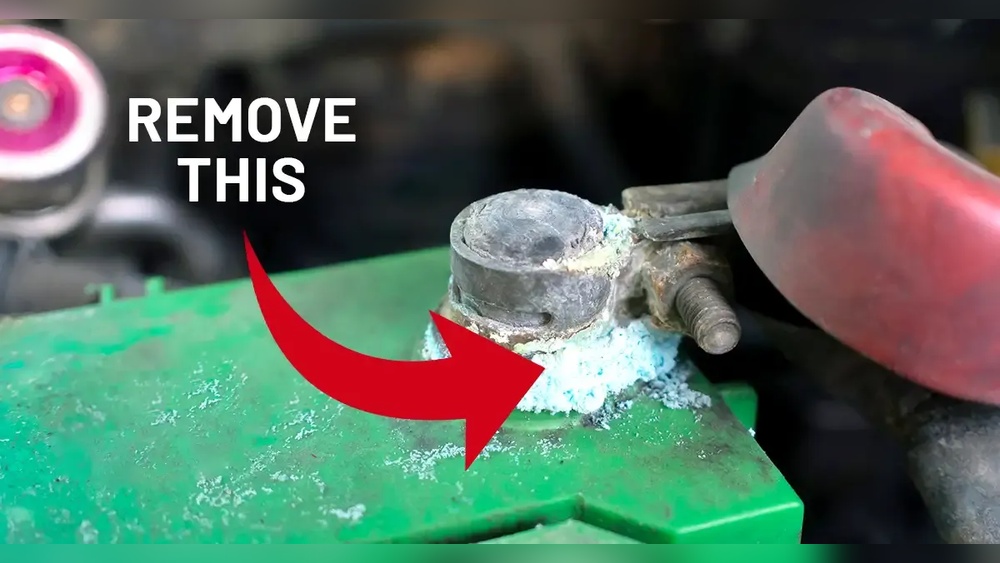
This looks like white, blue, or green powder on the battery terminals. It can stop your car from working well. So, cleaning battery corrosion is important.

Credit: www.youtube.com
What Is Battery Corrosion?
Battery corrosion happens when battery acid reacts with metal. It makes a powder or crust on battery parts. You often see it on the battery terminals.
These are the metal parts where cables connect to the battery. Corrosion can stop electricity flow. This makes starting the car hard or impossible.
Why Does Battery Corrosion Happen?
- Battery acid leaks from small cracks or vents.
- Heat from the engine speeds up corrosion.
- Old batteries get more corrosion.
- Loose or poor connections cause acid to leak.
Is Battery Corrosion Dangerous?
Yes, it can be dangerous. Battery acid is very strong. It can hurt your skin and eyes. Breathing dust from corrosion is not good either. Also, corrosion can stop your car from working. So, handle the battery carefully and clean corrosion safely.
What You Need to Clean Battery Corrosion
Before you start, get these tools and materials:
- Safety gloves (rubber or latex)
- Safety glasses or goggles
- Old toothbrush or small wire brush
- Baking soda
- Water
- Small bowl
- Clean cloth or paper towels
- Wrench or pliers
- Petroleum jelly (optional)
Step-By-Step Guide to Clean Battery Corrosion
Follow these easy steps to clean corrosion safely:
Step 1: Prepare Yourself
Wear gloves and safety glasses. This protects your skin and eyes. Work in a well-ventilated place. Avoid breathing dust or fumes.
Step 2: Turn Off Your Car
Make sure the car is off. Remove the keys from the ignition. This prevents electric shocks or accidents.
Step 3: Find The Battery
Open the car’s hood. Look for the battery. It is usually near the front. Sometimes it is covered by a plastic cover. Remove the cover if needed.
Step 4: Disconnect Battery Cables
Use a wrench or pliers to loosen the cable clamps. First, remove the negative cable (black color). Then remove the positive cable (red color). This stops electricity flow during cleaning.
Step 5: Make A Cleaning Solution
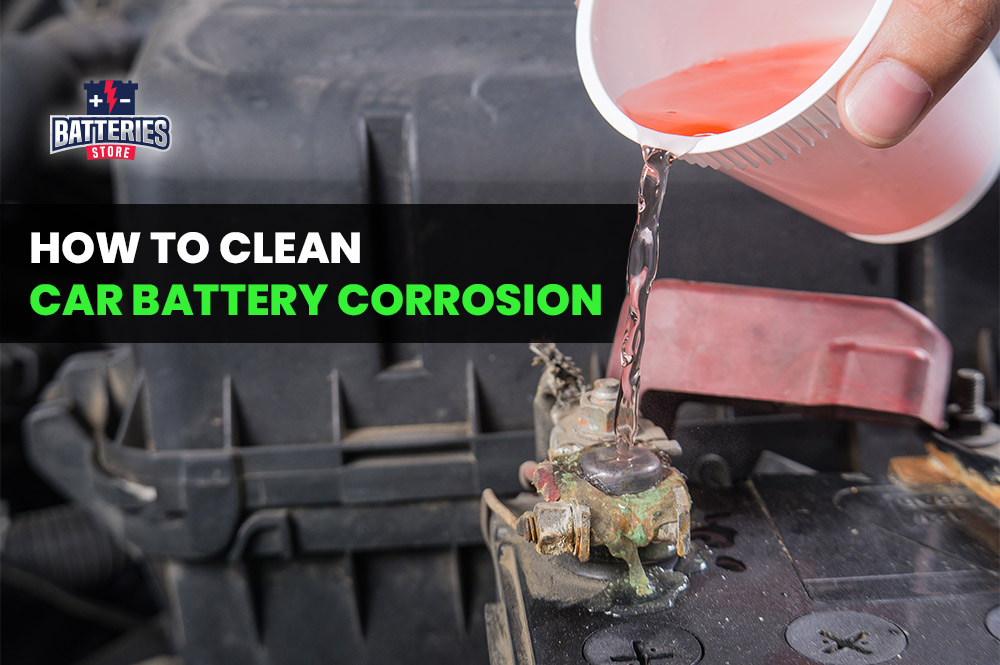
Mix one tablespoon of baking soda with one cup of water. Stir it well until baking soda dissolves. Baking soda neutralizes the acid in corrosion.
Step 6: Clean The Corrosion
Dip the toothbrush or small brush into the baking soda solution. Scrub the battery terminals and cable ends gently. You will see bubbles. This means the acid is neutralizing.
Step 7: Rinse And Dry
Use clean water to rinse off the baking soda and dirt. Be careful not to let water enter the battery cells. Use a dry cloth or paper towels to dry the terminals and cables well.
Step 8: Apply Petroleum Jelly (optional)
You can put a small amount of petroleum jelly on the terminals. This helps stop future corrosion. It acts like a shield against air and moisture.
Step 9: Reconnect Battery Cables
Connect the positive cable (red) first. Then connect the negative cable (black). Tighten the clamps with a wrench or pliers. Make sure connections are secure.
Step 10: Close The Hood
Put back any plastic covers you removed. Close the hood of your car. Now your battery is clean and ready.
Credit: batteriesstore.ca
Tips to Prevent Battery Corrosion
- Check your battery regularly for signs of corrosion.
- Keep battery terminals clean and dry.
- Apply petroleum jelly to terminals every few months.
- Make sure battery cables are tight and secure.
- Replace old or damaged batteries on time.
Signs You Need to Clean Battery Corrosion
Look for these signs to know if cleaning is needed:
| Sign | What It Means |
|---|---|
| White, blue, or green powder on terminals | Battery corrosion is present |
| Car does not start easily | Corrosion may block electricity flow |
| Foul smell near battery | Battery acid may be leaking |
| Loose or weak battery cables | Corrosion may be causing poor connection |
When to Get Professional Help
Sometimes cleaning yourself is not enough. If corrosion is very bad, call a mechanic. If battery leaks acid inside cells, replace it. Professionals can check if your battery is safe. They can also test battery power.
Summary
Battery corrosion can stop your car from starting. It looks like white or blue powder on terminals. Cleaning it is easy with baking soda and water. Always wear gloves and glasses for safety. Disconnect cables before cleaning. Scrub terminals gently, rinse, and dry well. Apply petroleum jelly to prevent future corrosion. Check your battery often to avoid problems. Call a mechanic if you see heavy damage. A clean battery helps your car run smoothly.
Frequently Asked Questions
What Causes Battery Corrosion In Cars?
Battery corrosion happens when acid leaks from the battery terminals. This acid reacts with metal, causing white or blue powder. Heat and humidity speed up this process.
How Do I Safely Clean Battery Corrosion?
Wear gloves and eye protection to avoid acid burns. Use a mix of baking soda and water to neutralize corrosion. Gently scrub with a toothbrush, then rinse and dry.
Can Battery Corrosion Damage My Car?
Yes, corrosion can stop your car from starting. It can also damage cables and connectors. Fixing corrosion early saves costly repairs later.
What Tools Do I Need To Clean Battery Corrosion?
You need gloves, safety glasses, baking soda, water, a brush, and a clean cloth. A wrench helps to disconnect the battery cables safely. Keep everything ready before starting.

Sudatta is a passionate automotive enthusiast and expert in the field. With a keen eye for detail and a love for all things automotive, he shares insightful articles and reviews to ignite the automotive passion in readers.