
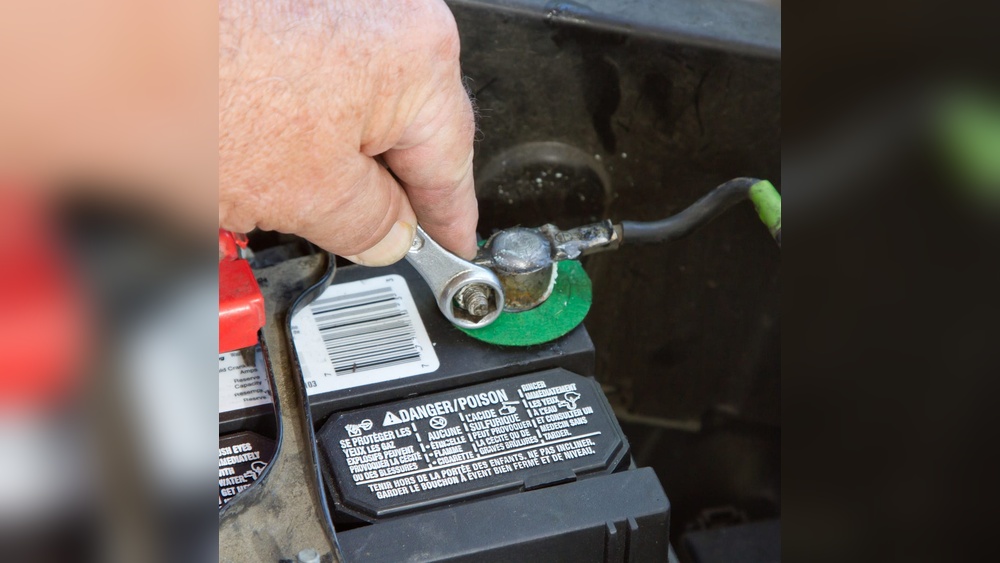
Car batteries are important parts of your car. They give power to start the engine. Sometimes, you need to disconnect the car battery. Maybe for repairs or to keep it safe.
This guide will help you learn how to disconnect a car battery. The steps are simple and easy to follow. You do not need to be an expert.
Why Disconnect a Car Battery?
There are many reasons to disconnect a car battery. Here are some common ones:
- To fix electrical problems safely.
- To replace or charge the battery.
- To stop power when working on the car.
- To avoid battery drain if the car is not used.
Disconnecting the battery helps protect you and your car parts.
Credit: www.kbb.com
Important Safety Tips Before You Start
Working with a car battery can be dangerous. Follow these safety tips:
- Wear gloves to protect your hands.
- Use safety glasses to protect your eyes.
- Work in a dry place, not in rain or wet spots.
- Turn off the car and remove the keys.
- Do not touch both battery terminals at the same time.
- Keep metal tools away from battery terminals to avoid sparks.
Following these tips will keep you safe while working on the battery.

Credit: www.youtube.com
Tools You Will Need
You do not need many tools. Here is what you need:
| Tool | Use |
|---|---|
| Wrench or Socket Set | To loosen battery terminals |
| Gloves | Protect your hands |
| Safety Glasses | Protect your eyes |
| Wire Brush (optional) | Clean battery terminals |
Step-By-Step Guide to Disconnect the Car Battery
Now, let’s start with the main steps. Follow each step carefully.
Step 1: Turn Off The Car
Make sure the car is off. Remove the key from the ignition. This stops the power flow. It is very important.
Step 2: Open The Car Hood
Find the hood release inside the car. Pull it to open the hood. Then, lift the hood and secure it with the prop rod.
Step 3: Find The Battery
Look for the battery under the hood. It is a rectangular box with two cables. One cable is red, the other is black.
Step 4: Identify The Battery Terminals
The battery has two terminals:
- Positive terminal (+): Usually red, with a plus sign.
- Negative terminal (-): Usually black, with a minus sign.
Step 5: Disconnect The Negative Terminal First
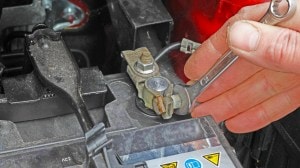
Use the wrench to loosen the nut on the negative terminal. Turn it counterclockwise to loosen. Do not remove the nut completely, just enough to free the cable.
Then, gently pull the cable off the terminal. Move it aside so it does not touch the battery.
Why first negative? It stops the power flow and reduces sparks.
Step 6: Disconnect The Positive Terminal
Now, do the same for the positive terminal. Loosen the nut with the wrench. Pull the cable off carefully.
Be careful not to touch the negative terminal or any metal parts with this cable.
Step 7: Remove The Battery (if Needed)
If you want to take out the battery, check for a hold-down clamp. This clamp keeps the battery in place.
Use the wrench to remove the clamp. Then, lift the battery carefully. Car batteries are heavy, so use both hands.
Tips to Handle the Battery
- Hold the battery by its handle if it has one.
- Keep the battery upright to avoid spills.
- Do not touch battery acid; it can burn your skin.
- If acid spills, wash the area with water immediately.
What to Do After Disconnecting
After disconnecting, you can do your car repairs or battery service.
If you want to reconnect the battery later, follow these steps:
- Put the battery back in place if removed.
- Tighten the hold-down clamp.
- Connect the positive terminal first.
- Then connect the negative terminal.
- Make sure all nuts are tight but not too tight.
Double-check that cables are secure before closing the hood.
Common Mistakes to Avoid
- Disconnecting the positive terminal first can cause sparks.
- Touching both terminals with a metal tool.
- Not turning off the car before working on the battery.
- Forgetting to wear safety gear.
- Leaving battery cables loose after reconnecting.
Avoid these mistakes to stay safe and protect your car.
Signs You Should Disconnect the Battery
You may need to disconnect the battery if:
- The car’s electrical system is acting strange.
- You hear clicking sounds when starting the car.
- The battery needs charging or replacement.
- You want to reset the car’s computer system.
Disconnecting the battery helps fix many common problems.
How Long Can a Car Battery Stay Disconnected?
You can leave a battery disconnected for days or weeks. But some car settings may reset. For example, clock and radio presets.
If you leave it disconnected for a long time, the battery may lose charge. Consider using a battery maintainer or charger.
Summary
Disconnecting a car battery is simple if you follow steps.
- Turn off the car and open the hood.
- Find the battery and its terminals.
- Disconnect the negative terminal first.
- Then disconnect the positive terminal.
- Remove the battery if needed, safely.
Always wear safety gear and avoid mistakes. This keeps you safe and protects your car.
Remember, if you are not sure, ask a mechanic for help.
Frequently Asked Questions
How Do I Safely Disconnect A Car Battery?
First, turn off the car and remove the keys. Then, disconnect the negative (black) terminal before the positive (red) one.
Why Disconnect The Negative Terminal First?
Disconnecting the negative terminal first reduces the risk of short circuits. It helps prevent sparks and damage to your car’s electrical system.
Can I Disconnect A Car Battery Without Tools?
No, you need a wrench or socket to loosen the battery terminals. Using the right tools ensures safe and proper disconnection.
How Long Should A Car Battery Be Disconnected?
A few minutes are usually enough to reset electrical systems. Leaving it disconnected too long may cause loss of radio presets or clock settings.

Sudatta is a passionate automotive enthusiast and expert in the field. With a keen eye for detail and a love for all things automotive, he shares insightful articles and reviews to ignite the automotive passion in readers.