If you want to protect your car seats, seat covers are a good choice. But what type of material is used in OEM seat covers? Let’s find out.
This article will explain the different materials used in OEM seat covers. You will learn why they are used and what benefits they offer.
What Does OEM Mean?
First, let’s understand the word OEM. OEM means Original Equipment Manufacturer. This means the seat covers are made by the same company that made your car.
These seat covers are made to fit your car seats perfectly. They are also made with materials that meet the car maker’s quality rules.
Why Material Matters in Seat Covers
The material of seat covers is very important. It affects comfort, look, and how long the covers last.
Some materials are soft and comfortable. Others are tough and can protect better. Choosing the right material helps your car look good and stay clean.

Credit: www.theseatshop.com
Main Types of Materials Used in OEM Seat Covers
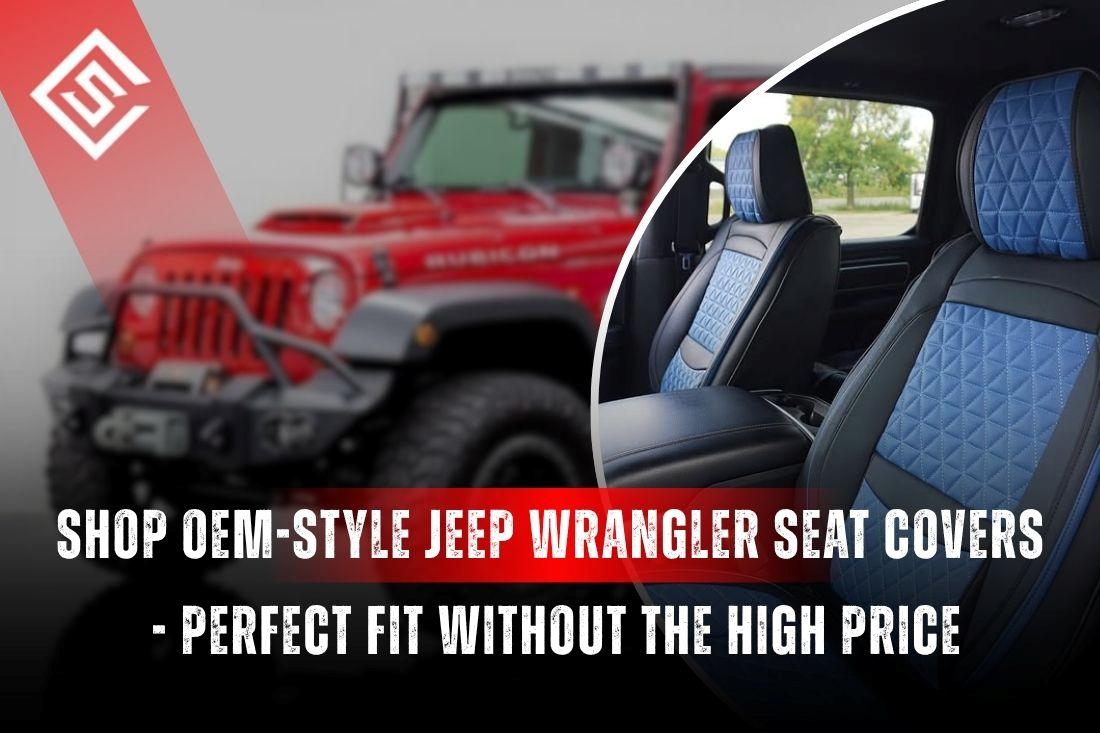
Car makers use different materials for OEM seat covers. The choice depends on the car type, price, and style. Here are some common materials used in OEM seat covers:
| Material | Description | Benefits | Common Use |
|---|---|---|---|
| Leather | Made from animal hide, mostly cow skin. | Soft, durable, looks good, easy to clean. | Luxury and high-end cars. |
| Vinyl | Synthetic material that looks like leather. | Cheap, water-resistant, easy to clean. | Economy cars and work vehicles. |
| Cloth | Made from woven fabric like cotton or polyester. | Comfortable, breathable, many colors and patterns. | Many regular and mid-range cars. |
| Suede | Soft leather with a fuzzy surface. | Soft touch, stylish look. | Sporty and luxury cars. |
| Neoprene | Waterproof synthetic rubber material. | Waterproof, durable, good for outdoor use. | Off-road and outdoor vehicles. |
Credit: www.seatcoversolutions.com
Leather OEM Seat Covers
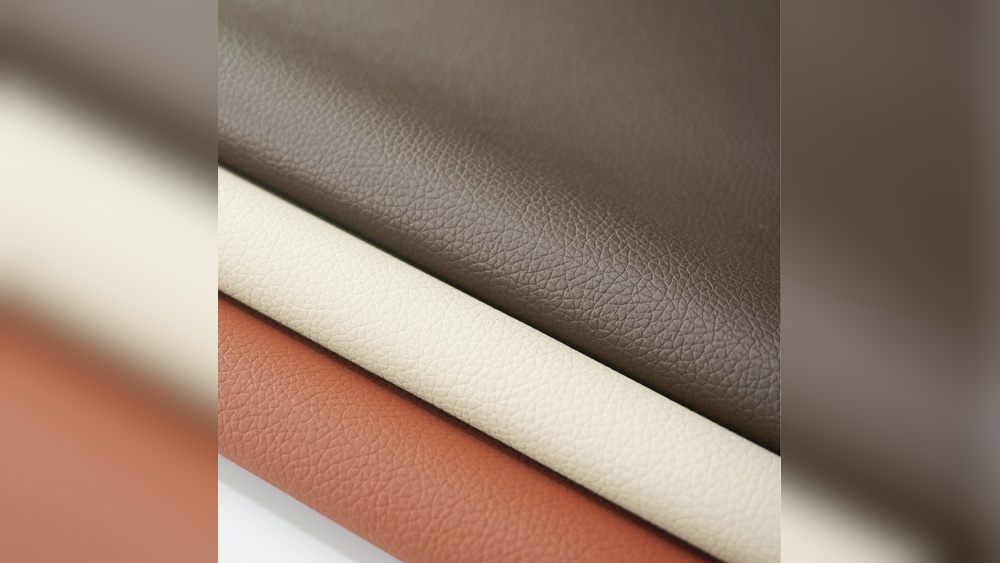
Leather is one of the most popular materials for OEM seat covers. It is made from animal skin. Leather is strong and lasts a long time. It feels soft and smooth. Many people like leather because it looks expensive and clean.
Leather seat covers are easy to wipe clean. You can use a damp cloth to remove dirt. Leather also resists stains better than cloth. But leather can get hot in summer and cold in winter. So, it may not always feel comfortable.
Because leather is natural, it needs care. You should clean and condition it regularly. This helps keep it soft and stops cracks. Car makers choose leather for luxury cars. It gives a high-quality look and feel.
Vinyl OEM Seat Covers
Vinyl is a man-made material. It looks like leather but costs less. Vinyl is water-resistant. This means it does not absorb water. It is easy to clean and wipe down.
Vinyl is good for cars used in tough conditions. It works well in work trucks or family cars. Vinyl does not breathe like cloth or leather. So, it may feel hot or sticky in summer.
OEM seat covers made from vinyl are popular in budget cars. They are easy to make and last fairly well. Vinyl is less soft than leather but still looks good.
Cloth OEM Seat Covers
Cloth seat covers are made from fabric. This fabric can be cotton, polyester, or a mix. Cloth is soft and comfortable to sit on. It breathes well and keeps you cool.
Cloth seat covers come in many colors and patterns. This lets car makers create different styles. Cloth is also less slippery than leather or vinyl. This helps passengers stay in place on bumpy roads.
Cloth is easy to make and cheaper than leather. But cloth can stain easily. It also absorbs water and smells. Cloth covers need to be cleaned often. OEM cloth seat covers are common in mid-range and economy cars.
Suede OEM Seat Covers
Suede is a type of leather. It has a fuzzy, soft surface. Suede feels very smooth and looks stylish. It is often used in sports cars or luxury cars.
Suede looks nice but is harder to clean. It can get dirty and stained quickly. Suede also wears out faster than normal leather. So, it needs more care and cleaning.
Car makers use suede when they want a sporty or premium look. It adds a special touch to the car’s interior.
Neoprene OEM Seat Covers
Neoprene is a synthetic rubber material. It is waterproof and very strong. Neoprene seat covers protect well from water and dirt. They are great for cars used outdoors or in wet places.
Neoprene feels soft but is thicker than cloth or leather. It can keep seats dry in rain or snow. Neoprene covers are easy to clean with water.
OEM neoprene seat covers are often found in trucks, SUVs, and off-road vehicles. They help keep seats safe from mud and spills.
How Car Makers Choose Materials for OEM Seat Covers
Car makers pick seat cover materials based on many things. Some important factors are:
- Comfort: How soft and nice the cover feels.
- Durability: How long the cover lasts without damage.
- Cost: How much it costs to make and sell the car.
- Appearance: How the material looks inside the car.
- Climate: How the material handles heat, cold, or water.
Luxury cars usually use leather or suede. Budget cars often use cloth or vinyl. Outdoor vehicles may use neoprene for protection.
Benefits of OEM Seat Covers
OEM seat covers fit your car seats perfectly. They are made with care and good materials. Here are some benefits:
- They protect your original seats from dirt and damage.
- They look nice and match your car’s design.
- They add comfort for you and your passengers.
- They keep your car’s value higher by keeping seats clean.
- They last longer because of good quality materials.
Frequently Asked Questions
What Materials Are Used For Oem Seat Covers?
OEM seat covers are often made from fabric, leather, or vinyl. These materials offer durability and comfort for car interiors.
Are Oem Seat Covers Made Of Genuine Leather?
Many OEM seat covers use genuine leather, but some use leatherette or vinyl. It depends on the car brand and model.
How Durable Are Oem Fabric Seat Covers?
OEM fabric seat covers are designed to resist wear and tear. They provide good comfort but may stain easier than leather.
Do Oem Seat Covers Include Synthetic Materials?
Yes, OEM covers often use synthetic blends like polyester for strength. These materials help make covers long-lasting and easy to clean.
Conclusion
OEM seat covers come in many materials. Leather, vinyl, cloth, suede, and neoprene are common. Each material has its own strengths and weaknesses. The choice depends on comfort, cost, and style.
Leather is soft and strong but needs care. Vinyl is cheap and water-resistant. Cloth is comfortable but can stain. Suede is stylish but delicate. Neoprene is tough and waterproof.
Car makers pick materials to give the best experience. OEM seat covers protect your seats and make your car look good. Knowing the material helps you understand your car better. It also helps you take care of your seat covers properly.
Next time you see a seat cover, you can guess what material it is. And you will know why that material was chosen. This helps you enjoy your car more every day.

Sudatta is a passionate automotive enthusiast and expert in the field. With a keen eye for detail and a love for all things automotive, he shares insightful articles and reviews to ignite the automotive passion in readers.