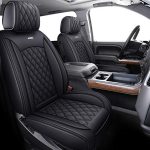
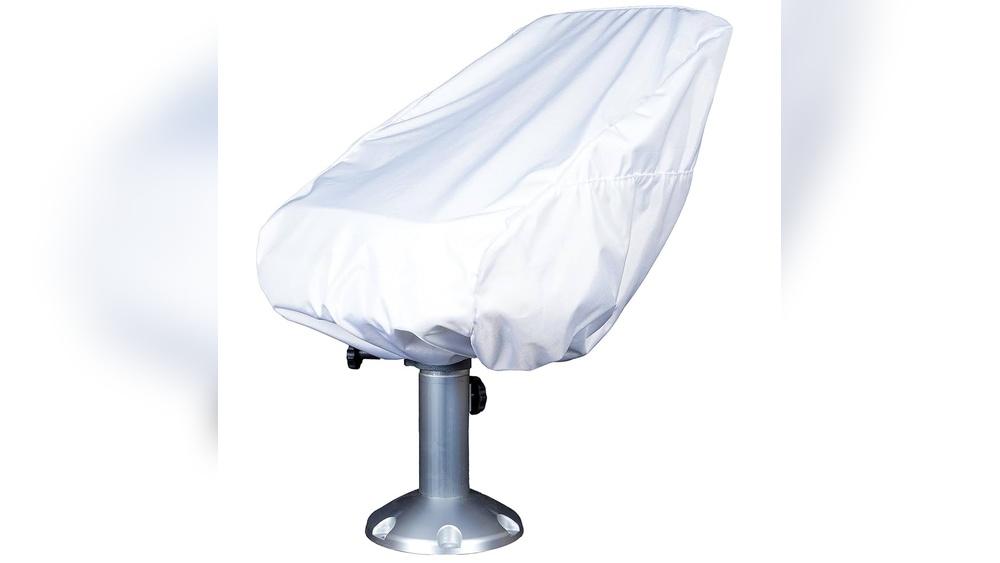
Boat seats need special covers. They must be strong and last long. Water, sun, and salt can damage them.
So, the right plastic is very important. But what kind of plastic do boat seat covers use? Let’s find out.

Credit: cairocommunity.com
Why Do Boat Seats Need Plastic Covers?
Boat seats face many problems. Water from rain or waves can soak the seats. Sun shines bright and makes colors fade.
Salt from sea water can cause damage. Dirt and dust also make seats dirty. So, covers protect the seats from all these.
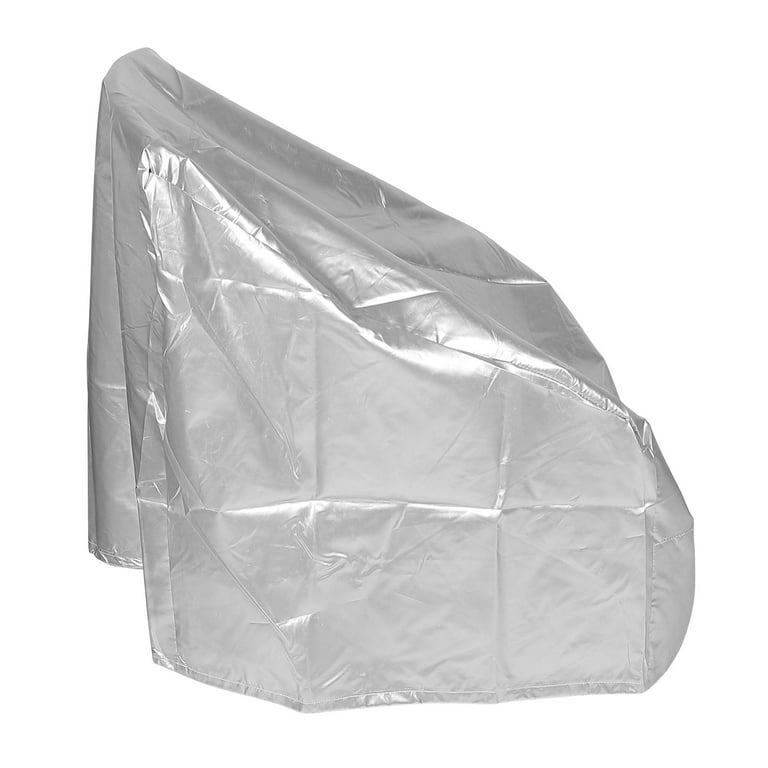
Plastic covers are popular for boat seats. They keep the seats dry and clean. They also stop damage from sun and salt. Plastic is easy to clean. This helps boat owners keep their seats nice for many years.
Credit: www.walmart.com
Types of Plastic Used in Boat Seat Covers
Not all plastics are good for boat seats. Some plastics break or melt quickly. Others get soft in the sun. The best plastics are strong and safe in water and sun. Here are the main types used:
1. Vinyl (pvc)
Vinyl is the most common plastic for boat seats. It is also called PVC. This plastic is strong and water-resistant. It does not soak water easily. It can handle sun and salt well.
Vinyl feels smooth and soft. It can be made in many colors. This helps make boat seats look nice. Also, vinyl is easy to clean with a wet cloth.
Some vinyl covers have a special layer. This layer stops the sun from making the color fade. It also stops the plastic from cracking or breaking.
2. Polyurethane (pu)
Polyurethane is another plastic used on boat seats. It is softer than vinyl. It feels more like real leather. Some people like it because it is smooth and comfortable.
PU plastic is also water-resistant. It can handle some sun and salt. But it is not as strong as vinyl. It can wear out faster if used in very hot sun.
3. Polyethylene (pe)
Polyethylene is less common but still useful. It is strong and tough. It can handle water and sun well. But it is not soft like vinyl or PU.
PE is often used in cheaper boat seat covers. It is hard to clean and not very comfortable. So, many people do not choose PE for seats they sit on a lot.
What Makes Vinyl the Best Choice?
Vinyl is the favorite plastic for boat seats. Here is why:
- Waterproof: Stops water from soaking the seat.
- Sun Resistant: Does not fade or crack easily.
- Easy to Clean: Wipe with a cloth and soap.
- Durable: Lasts many years with good care.
- Comfortable: Soft and smooth to sit on.
- Colorful: Available in many colors and designs.
Because of these reasons, vinyl is used in many boat seat covers.
How Is Vinyl Made for Boat Seats?
Vinyl used in boat seats is not simple plastic. It is made special for boats. The plastic is mixed with chemicals that help it fight sun and water.
This type of vinyl is called marine vinyl. It is thicker and stronger than normal vinyl. It has layers that stop UV rays from breaking it down.
Marine vinyl also resists mold and mildew. This is important for boats that stay wet or in humid places.
Other Features of Boat Seat Plastic Covers
Besides the type of plastic, boat seat covers have some important features:
| Feature | Why It Matters |
|---|---|
| UV Protection | Stops sun damage and color fading |
| Water Resistance | Keeps seats dry and prevents rot |
| Mold and Mildew Resistance | Stops bad smells and health risks |
| Easy to Clean | Saves time and effort for boat owners |
| Durability | Lasts long even in tough weather |
How to Care for Plastic Boat Seat Covers
Using the right plastic is only half the job. Taking care of boat seat covers is also key.
Here are simple tips:
- Clean the covers regularly with mild soap and water.
- Dry the covers after cleaning to stop mold.
- Use special protectants made for marine vinyl.
- Cover the seats when not using the boat.
- Check for tears or damage often and fix quickly.
Good care makes plastic covers last longer. It keeps boat seats comfortable and nice to use.
Summary
Boat seat covers need plastic that can handle water, sun, and salt. Vinyl (PVC) is the most common and best plastic for this. It is strong, water-resistant, and easy to clean.
Marine vinyl is specially made for boats to last long. Other plastics like PU and PE exist but are less popular.
Choosing the right plastic cover helps protect boat seats. Proper care keeps them looking good for many years.
When buying boat seat covers, look for marine vinyl with UV and mold protection. This makes your boat seats safe and comfy.
Remember, the right plastic cover is important. It keeps your boat seats dry, clean, and strong. So next time you see a boat seat, you know the plastic story behind it!
Frequently Asked Questions
What Type Of Plastic Is Best For Boat Seat Covers?
Marine-grade vinyl is the most common plastic used for boat seat covers. It resists water, sun, and mildew well. This makes it durable for harsh marine conditions.
Why Is Vinyl Popular For Covering Boat Seats?
Vinyl is water-resistant and easy to clean, making it ideal for boats. It also withstands UV rays, preventing fading and cracking. This keeps boat seats looking good longer.
Can Plastic Boat Seat Covers Resist Saltwater Damage?
Yes, marine-grade vinyl resists saltwater damage effectively. It prevents corrosion and wear on the seats. This helps maintain comfort and seat life.
How Durable Are Plastic Covers On Boat Seats?
Vinyl covers last several years with proper care. They resist tears, stains, and sun damage well. Their durability makes them a top choice for boats.

Sudatta is a passionate automotive enthusiast and expert in the field. With a keen eye for detail and a love for all things automotive, he shares insightful articles and reviews to ignite the automotive passion in readers.