Tesla cars are popular electric vehicles. They run on big batteries. Many people ask, how long do Tesla batteries last? In this article, we will explore the lifespan of a Tesla battery. We will explain it in simple words so everyone can understand.
What Is a Tesla Battery?
A Tesla battery is a large pack of small cells. These cells store energy. The energy powers the car’s motor. Tesla uses lithium-ion batteries. These are common in many electric vehicles.
The battery pack is under the car floor. It keeps the car balanced and safe. The battery size changes by the Tesla model. Bigger batteries give longer driving range.
How Does a Tesla Battery Work?
The battery stores electricity when you charge the car. When you drive, the battery gives power to the motor. The motor turns the wheels. This makes the car move.
The battery can be charged many times. But each time it charges and discharges, it loses a little power. This is called battery aging.
What Is Battery Lifespan?
Battery lifespan means how long a battery works well. Over time, batteries hold less charge. This means the car can go fewer miles before recharging.
Battery lifespan can be measured in two ways:
- Years of use: How many years the battery lasts.
- Charge cycles: How many times the battery can fully charge and discharge.
How Long Do Tesla Batteries Last in Years?
Tesla batteries usually last between 8 to 15 years. Many factors change this. How you use and care for the battery matters.
Tesla gives an 8-year warranty on its batteries. This means Tesla promises the battery will work well for at least 8 years or a set number of miles.
Many Tesla owners say their batteries still work well after 10 years. Some even after 15 years. But the battery may hold less energy after many years.
Credit: teslamotorsclub.com
What Are Charge Cycles?
A charge cycle means using 100% of battery power. It can be in one use or many small charges added up.
For example, if you use half the battery one day and half the next, that is one full cycle.
Tesla batteries can handle about 1,000 to 1,500 full charge cycles. After this, the battery will hold less power.
How Much Does Battery Capacity Drop Over Time?
Battery capacity means how much energy the battery can store. Over time, capacity drops. This is normal.
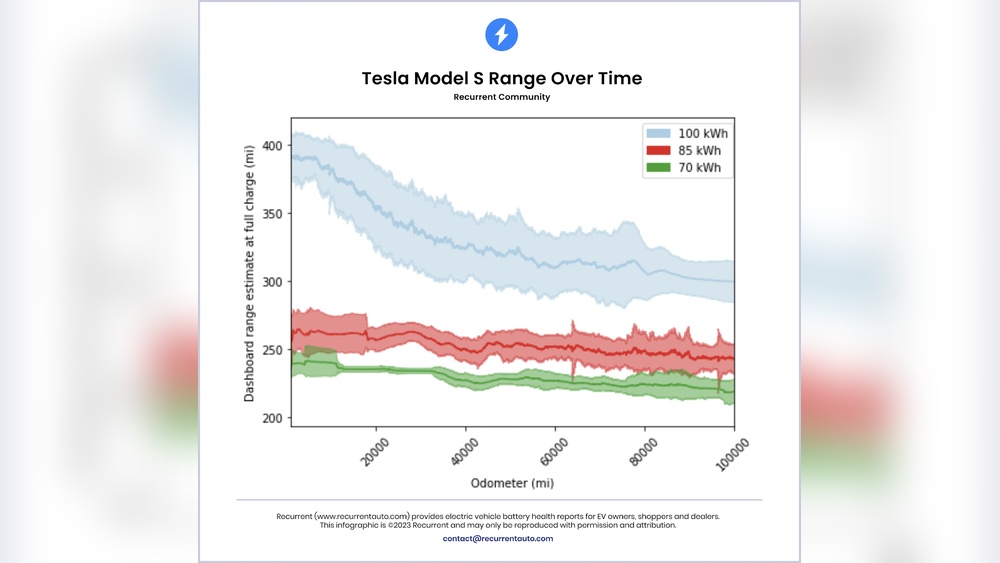
Studies show Tesla batteries lose about 5% of capacity in the first year. After that, the loss is about 1% per year.
Even after 8 years, many Tesla batteries keep more than 80% capacity. This is enough to drive long distances.
What Affects Tesla Battery Lifespan?
Many things change how long a Tesla battery lasts. Here are the main factors:
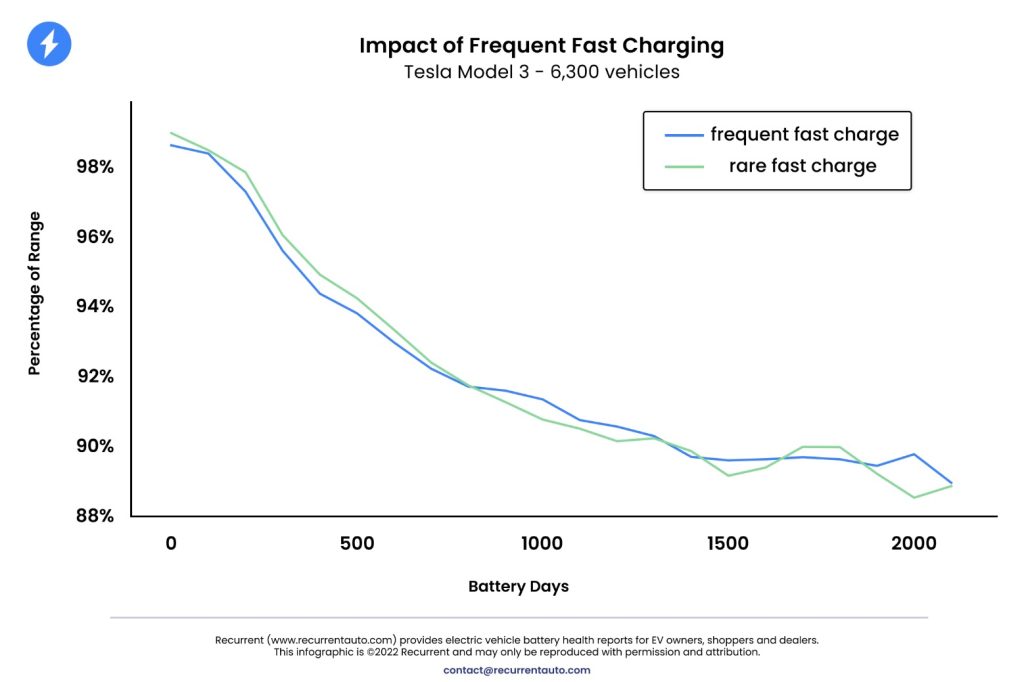
- Charging habits: Frequent fast charging can wear the battery faster.
- Temperature: Very hot or cold weather harms batteries.
- Driving style: Hard acceleration uses more battery power.
- Battery size: Bigger batteries last longer because they have more capacity.
- Storage: Leaving the car unused for a long time at full charge or empty harms the battery.
Tips to Make Your Tesla Battery Last Longer
You want your Tesla battery to last a long time. Here are some simple tips:
- Avoid charging to 100% all the time. Charge up to 80-90% for daily use.
- Do not let the battery go to 0%. Charge before it gets too low.
- Use slow charging when you can. Fast charging is good for trips only.
- Keep your car in a cool place. Avoid hot sun or freezing cold.
- Drive gently. Avoid sudden starts or stops.
- If you will not use the car for days, keep the battery around 50% charged.
How Tesla Improves Battery Life
Tesla works hard to make batteries last longer. They use good materials and smart software.
Tesla’s software controls charging and battery temperature. It helps protect the battery from damage.
Tesla also improves battery design. Newer models have better batteries that last longer.

Credit: www.evsrepublic.com
When Should You Replace a Tesla Battery?
Tesla batteries last a long time. But one day, they may need replacement.
You may notice your car goes fewer miles after charging. Or charging time changes.
Tesla will tell you if the battery needs service. Usually, replacement is needed after 10-15 years.
Cost of Replacing a Tesla Battery
Replacing a Tesla battery can be expensive. It can cost between $12,000 and $20,000.
Prices depend on the battery size and Tesla model. But batteries usually last many years before replacement.
Summary Table: Tesla Battery Lifespan at a Glance
| Aspect | Details |
|---|---|
| Battery Type | Lithium-ion |
| Warranty Period | 8 years or 100,000 to 150,000 miles |
| Typical Lifespan | 8 to 15 years |
| Charge Cycles | 1,000 to 1,500 full cycles |
| Capacity Loss After 8 Years | About 20% |
| Replacement Cost | $12,000 to $20,000 |
Frequently Asked Questions
How Long Does A Tesla Battery Last On Average?
Tesla batteries typically last between 300,000 to 500,000 miles. This equals about 8 to 15 years of use. Proper care can extend battery life further.
What Factors Affect Tesla Battery Lifespan?
Battery age, charging habits, and driving conditions impact lifespan. Frequent fast charging may reduce battery health. Regular moderate charging helps maintain capacity.
Does Tesla Battery Capacity Decrease Over Time?
Yes, Tesla batteries lose capacity slowly over years. Most lose about 5% after 100,000 miles. The drop is gradual and usually not noticeable daily.
Can Tesla Batteries Be Replaced Or Repaired?
Tesla batteries can be replaced if needed. Repairs are rare and usually done by Tesla service centers. Replacement costs vary depending on model and battery size.
Conclusion
Tesla batteries last many years if cared for well. They lose some capacity but stay useful. Following good charging and driving habits helps the battery live longer. Tesla’s technology also protects the battery.
If you own a Tesla, understanding battery lifespan is important. It helps you take care of your car and plan for the future. Remember, Tesla batteries are built to last.

Sudatta is a passionate automotive enthusiast and expert in the field. With a keen eye for detail and a love for all things automotive, he shares insightful articles and reviews to ignite the automotive passion in readers.