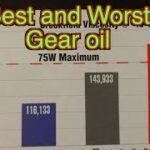
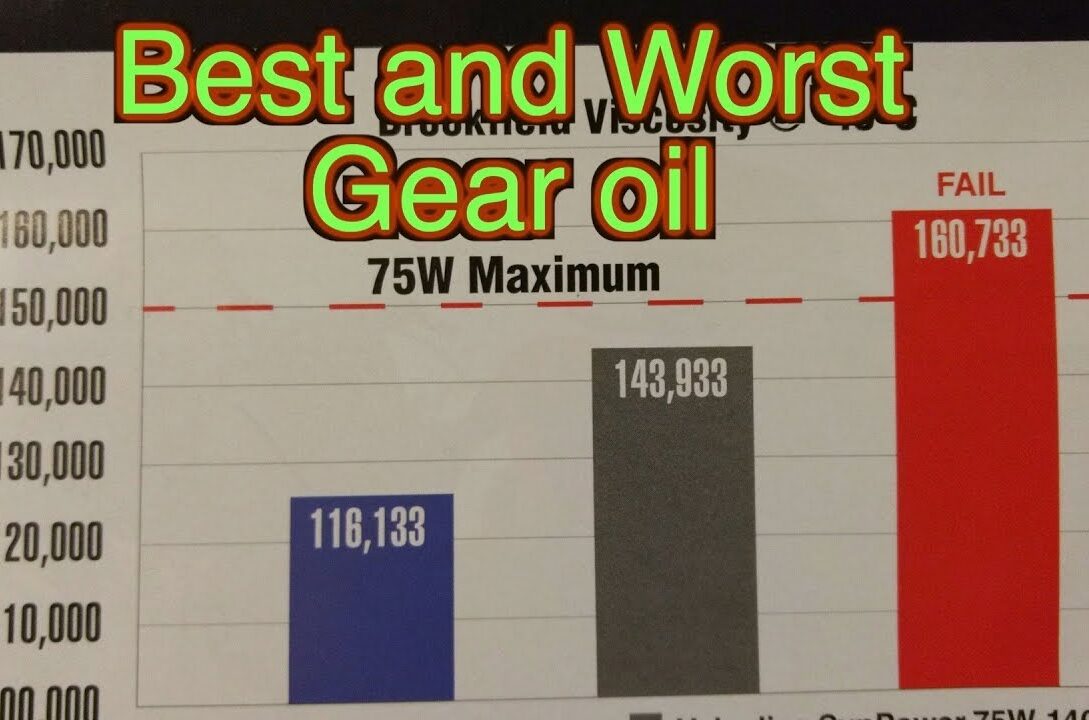
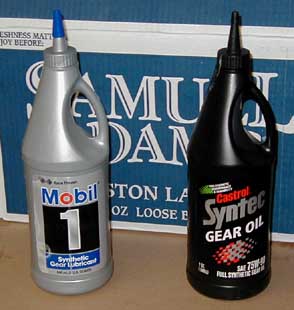
The best gear oil for differentials typically depends on the vehicle specifications and driving conditions. Popular choices include synthetic blends like Mobil 1 Synthetic Gear Lubricant and Royal Purple Max Gear.
Choosing the right gear oil for your vehicle’s differential is crucial for ensuring optimal performance and longevity of the gear system.
Gear oils are formulated to provide excellent protection against wear, corrosion, and thermal degradation, which is vital in maintaining the health of your vehicle’s drivetrain.
High-quality differential gear oils also improve fuel efficiency by reducing friction and managing operating temperatures more effectively.
Whether you drive a high-performance sports car, a heavy-duty truck, or a regular passenger vehicle, selecting a gear oil that meets or exceeds manufacturer specifications is key to a smooth and efficient driving experience.

Credit: www.reddit.com
Introduction To Gear Oil And Differentials
Understanding the vital role of gear oil in the health and performance of differentials is crucial for any vehicle owner. Differentials play a critical part in enabling cars to turn corners effectively. The right gear oil ensures these components function smoothly.
The Role Of Gear Oil
Gear oil is the lifeblood of a differential, providing lubrication to reduce friction and wear on gears. High-quality gear oil can protect against extreme temperatures and pressure conditions inside the differential housing.
- Minimizes metal-to-metal contact
- Prevents corrosion and rust
- Ensures longevity of the differential
Anatomy Of A Differential
The differential is a complex mechanical system. It allows each wheel to rotate at different speeds, which is essential when turning your vehicle.
| Component | Function |
|---|---|
| Ring Gear | Connects to the driveshaft |
| Pinion Gear | Meshes with ring gear |
| Spider Gears | Allow wheels to spin at different speeds |
| Bearings | Support gears and allow smooth rotation |
Factors To Consider When Choosing Gear Oil
Choosing the right gear oil for your differential is crucial to ensure the longevity and performance of your vehicle. This fluid plays a key role in protecting gears from wear and tear, handling high temperatures, and maintaining smooth operations. Consider these essential factors before making your selection.
Viscosity Grades
Viscosity refers to the thickness of the oil. It’s a critical factor that affects gear performance. The right viscosity ensures proper lubrication under various temperatures.
Check your vehicle’s manual for the manufacturer’s recommendation. Look for oils labeled with grades like 75W-90 or 80W-140. These indicate the oil’s flow at different temperatures.
Types Of Additives
Additives in gear oil serve various purposes. They can prevent rust, reduce friction, and improve the oil’s ability to handle pressure. Here are key additives to look for:
- Anti-wear agents protect gear surfaces.
- Friction modifiers enhance the smooth operation of limited-slip differentials.
- Dispersants keep contaminants from clumping.
Choose an oil with a balanced mix of additives tailored to your differential’s needs.
Compatibility With Differential Types
Different vehicles have different types of differentials. Standard, limited-slip, and locking differentials all require specific lubricants. Using the wrong type can lead to poor performance and damage. Always match the gear oil to your differential type.
| Differential Type | Recommended Gear Oil |
|---|---|
| Standard (Open) | Standard gear oils with basic additives |
| Limited-Slip | Specialized oils with friction modifiers |
| Locking | Heavy-duty oils for high torque applications |
Review your vehicle’s specifications to choose the best gear oil for your differential.
Synthetic Vs. Conventional Gear Oil
Selecting the right gear oil for your vehicle’s differential is crucial. Gear oils protect against wear, manage temperature and ensure smooth gear shifts. Two main types exist: synthetic and conventional. Each has unique properties and benefits.
Benefits Of Synthetic Oil
- Synthetic oil offers enhanced protection. Its engineered molecules reduce wear on gears.
- It performs better in extreme temperatures. Whether it’s hot or cold, synthetic oil maintains its viscosity.
- This oil resists breakdown. You’ll find it lasts longer between changes.
- Improved efficiency. Synthetic oil can boost fuel economy.
When To Use Conventional Oil
Conventional oil, while older technology, still has its place.
- For vintage vehicles, manufacturers designed these with conventional oil in mind.
- When cost is a concern, conventional oil is the budget-friendly choice.
- In light-duty applications, conventional oil can suffice.
Top Gear Oil Brands For Differentials
Choosing the right gear oil is crucial for the health and performance of your vehicle’s differential. High-quality gear oils protect against wear, handle high temperatures, and ensure smooth operation. The market offers various options, but certain brands stand out for their exceptional quality and industry trust.
Popular Choices
Gear oils from top brands provide the best protection for your vehicle. Here are some of the most trusted names:
- Mobil 1 – Known for their synthetic formula that suits a wide range of vehicles.
- Valvoline – Offers reliable performance and protection for both conventional and limited-slip differentials.
- Amsoil – Delivers superior wear protection and is ideal for high-performance applications.
- Red Line – Provides gear oils that are popular among racing professionals for their ability to handle extreme pressures.
- Royal Purple – Their products are praised for enhancing gearbox efficiency and extending oil life.
Industry Recommendations
Professionals in the automotive industry often recommend gear oils based on performance and durability. Below is a table summarizing their top choices:
| Brand | Product | Benefits |
|---|---|---|
| Mobil 1 | Synthetic Gear Lubricant LS | Excellent thermal stability, wear protection |
| Valvoline | SynPower Full Synthetic Gear Oil | Minimizes friction, maintains viscosity |
| Amsoil | Severe Gear Synthetic Gear Lube | High-load capacity, reduces operating temperatures |
| Red Line | Heavy-Duty Synthetic Gear Oil | Optimized for slipperiness, protects against rust |
| Royal Purple | Max-Gear Synthetic Gear Oil | Improves efficiency, compatible with other oils |
Each brand offers unique advantages, from Mobil 1’s thermal stability to Royal Purple’s efficiency improvements. The best choice depends on your vehicle’s needs and operating conditions.
Signs You Need To Change Your Gear Oil
Knowing when to change your gear oil is crucial for your vehicle’s differential. This fluid ensures smooth gear operations and durability. Delayed changes can lead to significant damage. Here are clear signs that it’s time for a change:
Wear And Tear Indicators
- Metal shavings in the oil during a change
- Oil that has turned dark or smells burnt
- Excessive noise from the differential under strain
Performance Red Flags
Performance issues can also indicate old or inadequate gear oil:
- Gears that are hard to shift
- Increased friction or heat during operation
- Unusual vibrations under the vehicle

Credit: www.reddit.com
Step-by-step Guide To Changing Differential Gear Oil
Changing the gear oil in your differential keeps it running smoothly. This guide will help you do it step by step.
Tools Required
Before you start, make sure you have these tools:
- Socket set
- Drain pan
- Funnel
- New gear oil
- Car jack and jack stands
Procedure Overview
Follow these steps to change your differential gear oil:
- Lift your car using the car jack. Secure it with jack stands.
- Find the differential. It’s near the rear axle.
- Place the drain pan under the differential.
- Remove the fill plug, then the drain plug.
- Let the old oil drain out. Wait until it stops dripping.
- Clean and replace the drain plug.
- Use the funnel to add new gear oil.
- Fill to the correct level, then replace the fill plug tightly.
- Lower your car and remove the jack stands.
Check for leaks once you’re done. Enjoy a smoother ride!
Troubleshooting Common Differential Gear Oil Issues
Troubleshooting common differential gear oil issues is crucial for a smooth ride. The right gear oil protects your differential. It keeps gears cool and turning smoothly. But sometimes, problems arise. Knowing how to spot and fix these issues is key.
Leaks And Their Causes
Oil leaks can lead to major differential problems. Spotting leaks early saves time and money. Here are common causes:
- Worn seals or gaskets: These parts can crack or shrink, letting oil escape.
- Loose bolts: Bolts that aren’t tight can cause gaps in the differential housing.
- Cracked housing: A crack in the differential housing often leads to a leak.
Fixing leaks usually means replacing seals or gaskets. Tightening bolts can also help. For cracked housing, a professional mechanic should assess the damage.
Noise Troubles
Noise from your differential can signal trouble. Common sounds include whining, howling, or clunking. Here’s what they might mean:
| Noise Type | Possible Issue |
|---|---|
| Whining | Low oil level or worn bearings |
| Howling | Wear on gears or incorrect gear setup |
| Clunking | Loose or damaged gears |
Checking the oil level is a good first step. If noises continue, a mechanic should inspect the gears and bearings.
Maintaining Your Differential For Longevity
Your vehicle’s differential is a hero in disguise. It allows your wheels to turn at different speeds, especially when cornering. To keep this hero in top shape, you need the best gear oil and proper care.
Long-lasting differentials hinge on consistent maintenance. Let’s explore how to keep your differential smooth and efficient.
Regular Inspection And Maintenance
Regular check-ups are key. They prevent major issues. A differential without enough oil or with contaminated oil works harder.
This extra strain can lead to premature wear. Mechanics can spot signs of wear or damage early. They ensure your differential works well for miles to come.
- Check the oil level and quality every few months.
- Look for leaks and seal them promptly.
- Listen for unusual noises when turning corners.
Tips For Extended Gear Oil Life
Quality gear oil can extend your differential’s life. It reduces friction and wear. Here are tips to maximize your gear oil’s lifespan:
- Use the manufacturer-recommended oil.
- Change the oil according to your service schedule.
- Avoid harsh driving conditions when possible.
Remember, a little care goes a long way. Keep your differential happy with the best gear oil and regular TLC.
The Future Of Gear Oils
Gear oil innovation shapes how we maintain vehicle longevity and performance. The best gear oil for differentials is no longer a simple choice.
Cutting-edge advancements and environmental considerations now drive the development of these essential lubricants. Let’s explore what lies ahead.
Advancements In Oil Technology
Recent breakthroughs in gear oil technology are impressive. Modern formulations offer enhanced protection against wear and tear. This is critical for the demanding environments faced by differentials.
These new oils also work to improve fuel efficiency. This is a win for both consumers and the environment.
- Synthetic blends offer superior temperature stability.
- Friction modifiers are now more effective, extending gear life.
- Additive packages protect against rust and oxidation.
Environmental Considerations
The gear oil industry is not just about performance. It’s also about sustainability. Eco-friendly gear oils are emerging, crafted to reduce environmental impact.
These products aim to be biodegradable and less toxic. This helps protect ecosystems where vehicles are operated.
| Feature | Benefit |
|---|---|
| Biodegradability | Minimizes soil and water pollution |
| Non-toxicity | Safer for wildlife and humans |
| Reduced emissions | Supports cleaner air quality |
Developers are focusing on renewable sources, too. These oils come from plants or other sustainable materials. They still deliver the high performance expected from traditional gear oils.
Conclusion: Making An Informed Choice
Selecting the ideal gear oil for differentials hinges on your vehicle’s specifications and driving demands. This choice is pivotal for optimal performance and longevity of your vehicle’s components, ensuring smooth and efficient operation over time.
Selecting the right gear oil for your differential is crucial for vehicle performance and longevity. This section summarizes key points and guides you through the final decision process.
Summary Of Key Takeaways
- Viscosity Ratings: Match the oil’s viscosity to your vehicle’s specifications.
- Oil Types: Choose from synthetic, mineral, or blends based on your needs.
- Additives: Look for oils with additives that protect against wear, corrosion, and foam.
- Temperature Performance: Ensure the oil can handle your typical driving climate.
- Manufacturer Recommendations: Follow the guidelines provided by your vehicle’s maker.
Final Thoughts On Gear Oil Selection
Remember, good gear oil keeps differentials running smoothly. Consider driving habits and towing demands. Balance cost with quality to avoid repairs. Trust reputable brands and check certifications.
Prioritize high-quality oils for the best protection. Regular maintenance with the right oil ensures a longer lifespan for your differential.
Choose wisely, and drive confidently.
Credit: www.e38.org
Frequently Asked Questions
What Gear Oil Should I Use In My Differential?
The appropriate gear oil for your differential depends on your vehicle’s make and model. Always consult your owner’s manual for the manufacturer’s recommendation.
What Fluid Should Never Be Used In A Rear Differential?
Never use automatic transmission fluid in a rear differential; it requires specific gear oil formulated for the differential gears.
Is It Ok To Use 75w140 Instead Of 75w90?
It’s essential to follow the manufacturer’s recommendation for gear oil. Using 75W140 instead of 75W90 can lead to suboptimal performance or damage if not specified by your vehicle’s guidelines. Always check your manual or consult with a professional.
What Is The Best Oil For Limited Slip Differential?
The best oil for a limited slip differential is a GL-5 rated gear oil. Choose a product specifically designed for limited slip diffs, often labeled as ‘LS’ or containing friction modifiers. This ensures optimal performance and longevity of the differential components.
Conclusion
Selecting the right gear oil for differentials ensures longevity and optimal performance. Trust in reputable brands and consider your vehicle’s specifications.
Remember, the best choice varies with use and conditions. Prioritize quality to safeguard your differential, and don’t hesitate to seek expert advice for a tailored solution.
Drive confidently, knowing you’ve made an informed decision for your vehicle’s health.

Sudatta is a passionate automotive enthusiast and expert in the field. With a keen eye for detail and a love for all things automotive, he shares insightful articles and reviews to ignite the automotive passion in readers.