
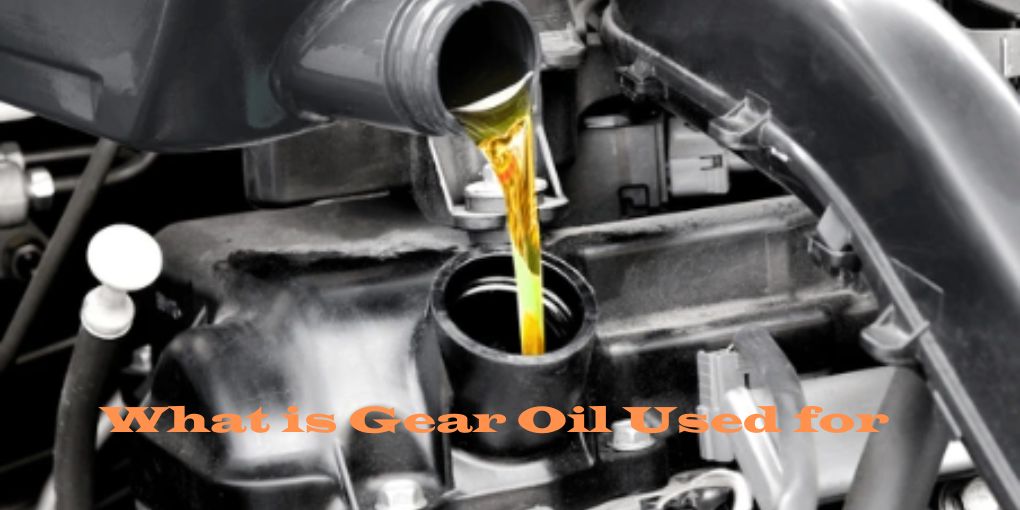
Gear oil is used for lubricating gears in various machinery and vehicles. It prevents wear and tear by reducing friction between moving parts.
Gear oil plays a crucial role in maintaining the efficiency and longevity of mechanical systems. This specialized lubricant is designed to withstand high pressure and temperature conditions that gears often operate under.
Its formulation helps in protecting gears from corrosion and rust, ensuring smooth operation.
By using the right type of gear oil, machinery owners can avoid costly repairs and downtime, enhancing the performance of their equipment.
It’s essential for anyone involved with automotive care, industrial machinery, or any equipment featuring heavy-duty gears to understand the importance of using high-quality gear oil.
Introduction To Gear Oil
Gear oil is a lubricant designed for the protection and efficient operation of various types of gears. It plays a crucial role in vehicles, machinery, and industrial equipment.
The purpose of gear oil is to reduce friction, wear, and tear between mechanical components. It helps to ensure smooth gear operation and extends the life of the gear system.
Essential Qualities
Gear oil must possess certain qualities to perform effectively. These include:
- High viscosity to form a protective layer
- Thermal stability to withstand high temperatures
- Corrosion resistance to protect metal surfaces
- Oxidation resistance to prevent degradation
- Extreme pressure resistance for heavy loads
Different Types
There are various types of gear oils available:
- Synthetic Gear Oil: Offers excellent performance in extreme conditions.
- Mineral Gear Oil: Derived from refined crude oil, suitable for less demanding use.
- Biodegradable Gear Oil: Eco-friendly, breaks down easily in the environment.
Each type is formulated to meet specific requirements of gear systems.

Credit: www.machinerylubrication.com
The Role Of Gear Oil
Gear oil is a special lubricant. It is essential for the protection and smooth operation of various types of gears in machinery. Its main job is to keep gears running smoothly and efficiently.
Reduction Of Friction And Wear
Gear oil minimizes contact between gears. This reduces friction. Less friction means less wear on the gears.
Over time, this can extend the life of machinery. Gear oil has special additives. These additives help protect against metal-to-metal contact.
Heat Dissipation
Gears generate heat when they work. Gear oil helps manage this heat. It absorbs and carries away the heat from the gears. This keeps the machinery at a safe temperature. A cooler system means better performance and longer life for the gears.
Gear oil is vital for gear systems. It ensures they operate smoothly. Without gear oil, gears could overheat or wear out quickly. This could lead to costly repairs or replacements. Always choose the right gear oil for your machinery for the best results.
Applications Of Gear Oil
Gear oil plays a crucial role in keeping various machines running smoothly. It protects gears from wear and tear.
This oil also helps in reducing friction. It makes sure that gears work well for a long time. Let’s explore where gear oil is most commonly used.
Automotive Use
Gear oil is vital for vehicles. It’s used in transmissions, differentials, and transfer cases. This oil ensures that cars, trucks, and motorcycles run well.
Gear oil helps these parts move smoothly. Without it, gears might grind and damage could occur. Here are some common automotive uses for gear oil:
- Manual Transmissions: It allows smooth gear shifts.
- Differentials: Keeps the gears cool and prevents wear.
- Transfer Cases: Used in four-wheel-drive systems for efficiency.
Industrial Machinery
In factories, gear oil is just as important. It helps machines last longer. It also keeps them running without breakdowns. Gear oil is used in many types of machinery:
| Machine Type | Function of Gear Oil |
|---|---|
| Conveyors | Reduces gear friction for smooth movement of goods. |
| Wind Turbines | Protects gearboxes from extreme weather conditions. |
| Heavy Equipment | Enables the smooth operation of construction machinery. |
Using the right gear oil in industrial settings is key. It ensures that large, expensive machines work well. This saves money on repairs and downtime.
Viscosity Grades Explained
Understanding the importance of gear oil is crucial for any vehicle or machinery. Gear oil lubricates gears, reduces friction, and keeps components running smoothly. The ‘Viscosity Grades Explained’ provides clarity on selecting the right type of gear oil for different uses.
Understanding Viscosity
Viscosity refers to a fluid’s thickness and flow resistance. It’s a key factor in gear oil performance. The right viscosity ensures gears operate under various temperatures and loads. Gear oils are graded based on their viscosity.
Selecting The Right Grade
Choosing the correct viscosity grade is vital. It affects gear protection and efficiency. Use the manufacturer’s recommendation as a guide. Consider operating conditions, such as climate and load, when selecting a grade.
| Viscosity Grade | Low-Temperature Performance | High-Temperature Performance |
|---|---|---|
| 75W | Excellent | Good |
| 90W | Good | Excellent |
| 85W-140 | Good | Superior |
- Check the gear oil label for the API GL rating.
- Ensure compatibility with your vehicle or machine.
- Consider synthetic options for better performance.
Regularly check gear oil levels to maintain optimal performance. Change gear oil as per the service schedule. Quality gear oil extends gear life and boosts efficiency.
Synthetic Vs. Mineral Gear Oils
Exploring the differences between Synthetic vs. Mineral Gear Oils is crucial for understanding their applications in various machinery.
Gear oils are essential for the smooth operation of gears, reducing friction, and preventing wear and tear.
Performance Comparison
Synthetic gear oils often outperform mineral oils in several areas:
- Higher temperature stability
- Improved efficiency
- Longer change intervals
Mineral gear oils, derived from natural crude oil, are better in:
- Cost-effectiveness
- Availability
Both types of oils ensure gears run smoothly but vary in performance based on conditions and gear types.
Choosing Between Synthetic And Mineral
The choice between synthetic and mineral gear oils depends on several factors:
| Factor | Synthetic | Mineral |
|---|---|---|
| Temperature Range | Wider | Narrower |
| Longevity | Longer | Shorter |
| Cost | Higher | Lower |
Consider your equipment needs, operating conditions, and budget before choosing the right oil.

Credit: m.youtube.com
Additives In Gear Oils
Additives in Gear Oils play a crucial role in enhancing the performance and longevity of gear systems. These additives are chemical compounds that improve the oil’s properties, making gears run smoother and last longer.
Common Additives
Gear oils contain several key additives:
- Anti-wear agents – Reduce gear surface damage.
- Corrosion inhibitors – Protect metal parts from rust.
- Detergents – Keep metals clean by removing contaminants.
- Viscosity modifiers – Help oil perform under different temperatures.
- Friction modifiers – Decrease resistance between moving parts.
Their Impact On Performance
These additives impact gear oil performance in several ways:
| Additive Type | Function | Performance Impact |
|---|---|---|
| Anti-wear agents | Reduce surface wear | Increases durability |
| Corrosion inhibitors | Prevent rust | Enhances lifespan |
| Detergents | Clean metal surfaces | Maintains efficiency |
| Viscosity modifiers | Stabilize viscosity | Improves performance in varying temperatures |
| Friction modifiers | Reduce friction | Decreases energy consumption |
Each additive is selected to provide specific benefits to gear systems, ensuring optimal performance across a variety of conditions.
Changing Gear Oil
Gear oil plays a crucial role in keeping your vehicle’s transmission running smoothly. It lubricates gears to reduce friction and prevent wear.
Like engine oil, gear oil must be changed regularly. This ensures your vehicle maintains peak performance.
When To Change Gear Oil
Manufacturer guidelines often determine the right time to change gear oil. Some signs that your vehicle needs new gear oil include:
- Odd noises during gear shifts
- Transmission problems
- Dirty or dark oil on the dipstick
Checking your vehicle’s manual provides the best guidance on service intervals.
Steps For Changing Gear Oil
Changing gear oil can be straightforward if you follow these steps:
- Prepare your vehicle: Park on a level surface and gather tools.
- Drain old oil: Remove the drain plug and let the old oil flow out.
- Replace drain plug: Once drained, reinstall the plug securely.
- Add new oil: Fill with the correct type and amount of gear oil.
- Check for leaks: Start the vehicle and inspect for any oil leaks.
Always dispose of the old oil properly to protect the environment.

Credit: www.researchgate.net
Troubleshooting Gear Oil Issues
Gear oil plays a crucial role in the smooth operation of many mechanical systems. It ensures that gears run smoothly and reduces wear and tear. Knowing how to troubleshoot gear oil issues is essential for maintaining optimal performance.
This section will guide you through recognizing signs of gear oil degradation and dealing with contamination.
Signs Of Degradation
Over time, gear oil breaks down and loses effectiveness. Watch for these signs:
- Dark or dirty oil: Indicates old or contaminated oil.
- Unusual noises: Grinding or whining can signal inadequate lubrication.
- Burnt smell: A sign of overheating due to poor lubrication.
Dealing With Contamination
Contaminants in gear oil can cause severe damage. Here’s how to tackle this issue:
- Check for water intrusion: Water can cause corrosion and must be removed.
- Filter out particles: Use a filtration system to remove metal shavings and dirt.
- Change the oil: If contamination is severe, replace the gear oil entirely.
Regularly inspecting and maintaining gear oil can prevent costly repairs and ensure longevity.
Future Trends In Gear Lubrication
Gear oil plays a vital role in ensuring the smooth operation and longevity of gears in various machinery.
As technology evolves, so do the trends in gear lubrication. Innovations aim to enhance performance, extend gear life, and reduce environmental impact.
Advancements In Formulations
The world of gear lubricants is experiencing a shift. New formulations emerge to meet demanding conditions. These advancements focus on improving efficiency and protection for gears.
- Synthetic base oils offer superior stability.
- Additives enhance anti-wear and anti-corrosion properties.
- High-performance lubricants support extreme temperatures.
Such innovations ensure gears operate smoothly, even under intense stress.
Environmental Considerations
Environmental sustainability shapes the future of gear oils. Manufacturers strive to create products that minimize ecological footprints.
| Aspect | Environmental Trend |
|---|---|
| Biodegradability | Gear oils are designed to break down naturally, reducing pollution. |
| Toxicity Reduction | Formulations with less toxic substances protect wildlife and habitats. |
| Resource Efficiency | Use of renewable materials in gear oils conserves natural resources. |
Companies also look to reduce carbon footprints through energy-efficient lubrication solutions.
Frequently Asked Questions
What Is Gear Oil Good For?
Gear oil lubricates and protects the components within gearboxes, transmissions, and differentials, reducing wear and extending equipment life.
Is Gear Oil The Same As Transmission Fluid?
Gear oil and transmission fluid are not the same; gear oil is thicker, used in differentials and manual transmissions, while transmission fluid is for automatic transmissions.
How Do I Know If I Need Gear Oil?
To determine the need for gear oil, check for unusual noises, difficulty shifting gears, or a visible leak under your vehicle. Regular maintenance intervals also guide when to replace gear oil.
Where To Put Gear Oil In A Car?
To add gear oil to a car, locate the transmission’s fill plug, usually found on the side of the gearbox. Use a funnel to pour in the specified type of gear oil until full.
Conclusion
Understanding the importance of gear oil is crucial for maintaining vehicle performance. It ensures smooth gear operation and prolongs their lifespan.
Regular checks and changes can prevent costly repairs. Remember, the right gear oil keeps your gears turning efficiently. Always choose quality for the best protection.

Sudatta is a passionate automotive enthusiast and expert in the field. With a keen eye for detail and a love for all things automotive, he shares insightful articles and reviews to ignite the automotive passion in readers.