
Many people spend a lot of time in their cars every day. Seat covers help protect the seats and make cars look nice. But, did you know some seat covers can be harmful? Some materials in seat covers can cause cancer.
This article will explain what in seat covers is carcinogenic. It will also help you choose safer seat covers for your car.

Credit: www.amazon.com
What Does Carcinogenic Mean?
Carcinogenic means something that can cause cancer. Cancer is a serious disease. It happens when cells in the body grow in a bad way.
Some chemicals and materials can cause cancer if people touch or breathe them for a long time.
Why Should We Care About Seat Covers?
Seat covers are close to your body. You sit on them for many hours. If seat covers have bad chemicals, you might breathe or touch them. This can be dangerous. It is important to know what is inside the seat covers.
Common Materials Used in Seat Covers
Seat covers are made from many materials. Some are natural, and some are synthetic (made by people). Here are common materials:
- Leather – Real animal skin.
- Faux leather – Plastic made to look like leather.
- Fabric – Cloth made from cotton, polyester, or nylon.
- Vinyl – Plastic material often used in cars.
Each material can have different chemicals inside.
Which Chemicals in Seat Covers Can Be Carcinogenic?
Some seat covers contain chemicals that may cause cancer. These chemicals are often in synthetic materials and dyes. Let’s look at some of the main harmful chemicals found in seat covers.
1. Phthalates
Phthalates are chemicals that make plastic soft. They are used in vinyl and faux leather seat covers.
These chemicals can slowly come out of the seat cover. People can breathe or touch them. Studies show phthalates can increase cancer risk.
2. Formaldehyde
Formaldehyde is a chemical used to preserve materials. It is sometimes in fabric seat covers and adhesives.
It can cause irritation and may increase cancer risk. People can breathe formaldehyde from seat covers, especially when new.
3. Polycyclic Aromatic Hydrocarbons (pahs)
PAHs come from burning coal or oil. They can also be in some leather treatments. PAHs are known to be carcinogenic. They can stay on the surface of seat covers and cause harm.
4. Heavy Metals
Some seat covers have dyes or coatings with heavy metals like lead or cadmium. These metals can cause cancer. They can also harm other parts of the body.
How Do These Chemicals Get Into Seat Covers?
Car manufacturers and suppliers use many chemicals. They help make seat covers soft, colorful, and long-lasting. Sometimes, harmful chemicals are part of the process. For example:
- Plasticizers like phthalates soften plastic.
- Formaldehyde helps fabrics stay wrinkle-free.
- Dyes add color but may contain metals.
- Flame retardants prevent fires but might be toxic.
Not all seat covers have these chemicals. But some cheap or low-quality covers may have more harmful substances.
How Can Carcinogenic Chemicals Affect Your Health?
Long-term exposure to carcinogenic chemicals can cause health problems. Here are some ways they can affect you:
- Breathing in chemicals can hurt your lungs.
- Skin contact can cause irritation or rashes.
- Some chemicals can change how cells grow.
- Over time, this can lead to cancer.
Children, pregnant women, and older adults are more at risk.
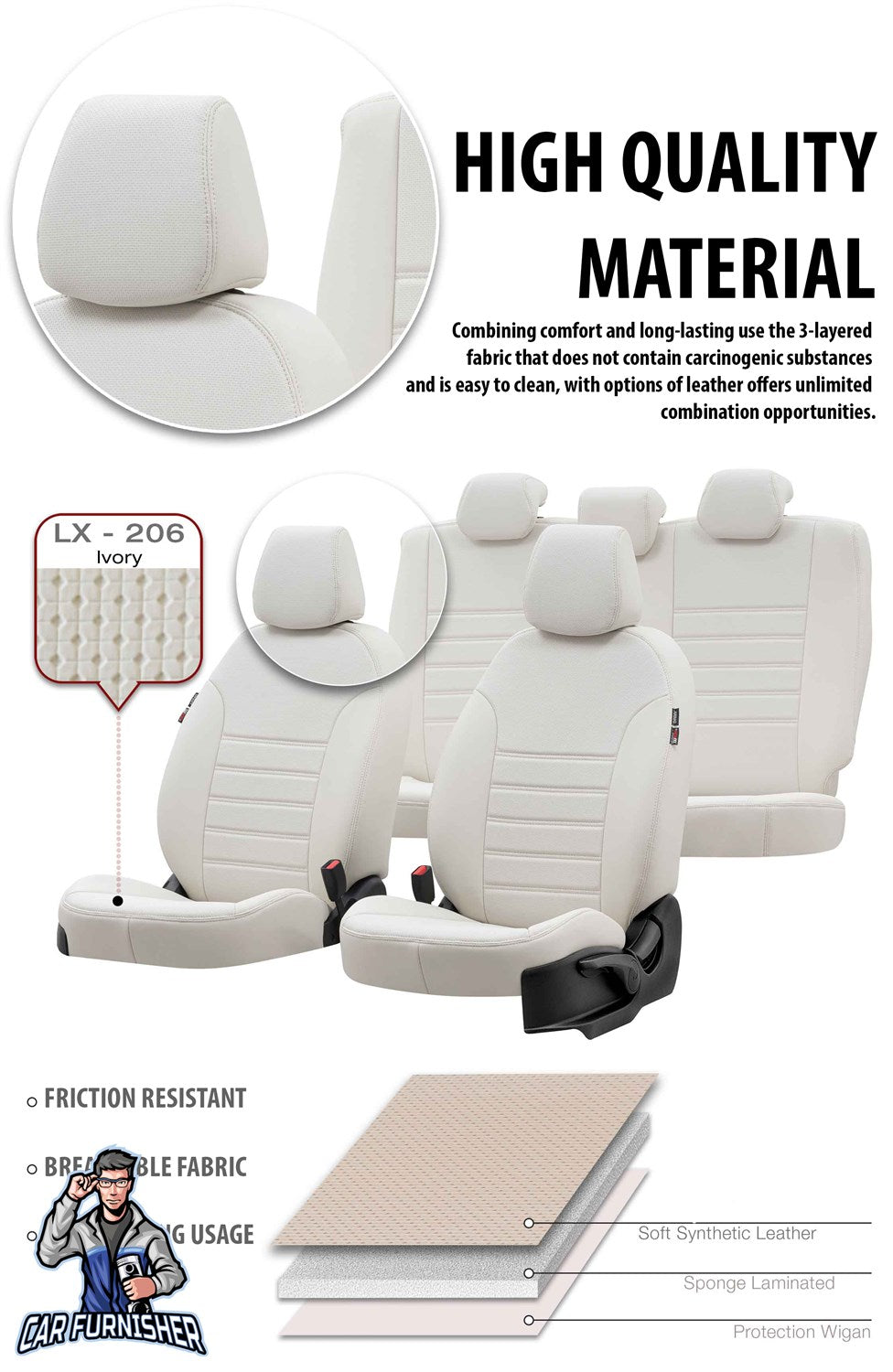
Credit: carfurnisher.com
Signs Your Seat Covers Might Be Unsafe
How do you know if your seat covers have harmful chemicals? Watch for these signs:
- A strong, bad smell when new.
- Sticky or oily feeling on the surface.
- Cheap or unknown brand seat covers.
- Color fading or peeling quickly.
If you notice these, your seat covers might have dangerous chemicals.
How to Choose Safer Seat Covers
Choosing safe seat covers is important. Here are some tips to help you:
- Choose natural materials. Cotton or real leather is safer.
- Look for low-VOC or no-VOC labels. VOC means harmful fumes.
- Buy from trusted brands. They test for harmful chemicals.
- Avoid very cheap seat covers. They may have more toxins.
- Ask about chemical treatments. Choose covers with fewer chemicals.
How to Reduce Harm from Existing Seat Covers
If you already have seat covers, you can reduce risks. Here are some ideas:
- Keep car windows open to air out chemicals.
- Clean seat covers regularly with mild soap.
- Use seat covers made of natural fabrics over synthetic ones.
- Replace old or damaged seat covers.
- Consider using seat cushions with safe materials.
Summary Table: Carcinogenic Chemicals in Seat Covers
| Chemical | Found In | Health Risk |
|---|---|---|
| Phthalates | Vinyl, faux leather | Can cause cancer, hormone problems |
| Formaldehyde | Fabrics, adhesives | Irritation, cancer risk |
| PAHs | Leather treatments | Cancer risk |
| Heavy Metals (Lead, Cadmium) | Dyes, coatings | Cancer, organ damage |
Final Thoughts
Seat covers protect your car seats and look good. But some seat covers may have harmful chemicals.
These chemicals can cause cancer if you are exposed for a long time. It is important to know what materials and chemicals are in your seat covers.
Choose seat covers made from natural materials when possible. Check for labels that say low or no harmful chemicals. Air out new seat covers before use. Clean and replace old covers to stay safe.
Your health is important. Small steps can make your car safer and healthier.
Frequently Asked Questions
What Materials In Seat Covers Might Be Carcinogenic?
Some seat covers contain chemicals like formaldehyde and flame retardants. These chemicals can release harmful fumes over time.
Can Synthetic Seat Covers Cause Cancer Risks?
Yes, some synthetic fabrics may contain toxic chemicals linked to cancer. Prolonged exposure to these chemicals can be harmful.
Are Leather Seat Covers Safer From Carcinogens?
Leather seat covers usually have fewer harmful chemicals but tanning processes may use toxic substances. Check for natural or vegetable-tanned leather.
How Do Flame Retardants In Seat Covers Affect Health?
Flame retardants can emit toxic particles that may increase cancer risk. They are often used to meet safety rules.

Sudatta is a passionate automotive enthusiast and expert in the field. With a keen eye for detail and a love for all things automotive, he shares insightful articles and reviews to ignite the automotive passion in readers.