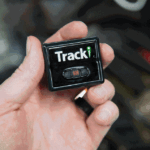

A car GPS tracker is typically a small, discreet device, often resembling a compact box or a plug-in dongle. It may include an external magnetic case for attachment to metal surfaces within or under a vehicle.
Car GPS trackers are integral tools for monitoring a vehicle’s location and movement. These devices use the Global Positioning System to provide real-time tracking capabilities.
Most of them are small enough to fit in the palm of your hand, making them easy to conceal to avoid detection by drivers or thieves.
Their designs are usually sleek and unobtrusive, with some models built to plug directly into a car’s OBD-II port, which is standard in vehicles built from 1996 onwards. Others come with built-in magnets for secure placement on metal surfaces.
The convenience and security that car GPS trackers offer have made them popular among both individual car owners and fleet managers. They ensure peace of mind by offering features like location history, geofencing, and speed alerts, all accessible through a smartphone or web application.
The Evolution Of Car Gps Trackers
The world of car GPS trackers has seen remarkable transformations over the years. What started as cumbersome and easily noticeable devices have now evolved into sleek, sophisticated gadgets.
These changes reflect not only aesthetic improvements but also significant advancements in technology.
From Bulky To Sleek: The Transformation
Early GPS trackers were large and not easy to hide. Today’s trackers are small and discreet. They can be as tiny as a coin, making them almost invisible to the untrained eye. This size reduction has not compromised their performance; in fact, it has enhanced it.
- Portability: Modern trackers are lightweight and can be placed almost anywhere in a vehicle.
- Concealment: Their compact size allows for easy concealment, avoiding detection by thieves.
- Design: Sleek designs with smooth edges are now the norm, blending seamlessly with the vehicle’s interior or exterior.
Technological Advances Shaping Tracker Design
Technological innovations have propelled the evolution of car GPS trackers. Improved battery life, enhanced connectivity, and integration with smartphones have elevated their functionality.
| Feature | Benefit |
|---|---|
| Long-lasting batteries | Trackers work for weeks without a charge. |
| Real-time tracking | Users get instant location updates. |
| Geofencing alerts | Alerts are sent if a vehicle leaves a set area. |
| Smartphone integration | Control and monitor directly from a phone app. |
These advancements mean trackers are not just smaller, but smarter. They offer more features while taking up less space. The design of car GPS trackers will continue to evolve as technology progresses, making them an indispensable tool for vehicle security and management.
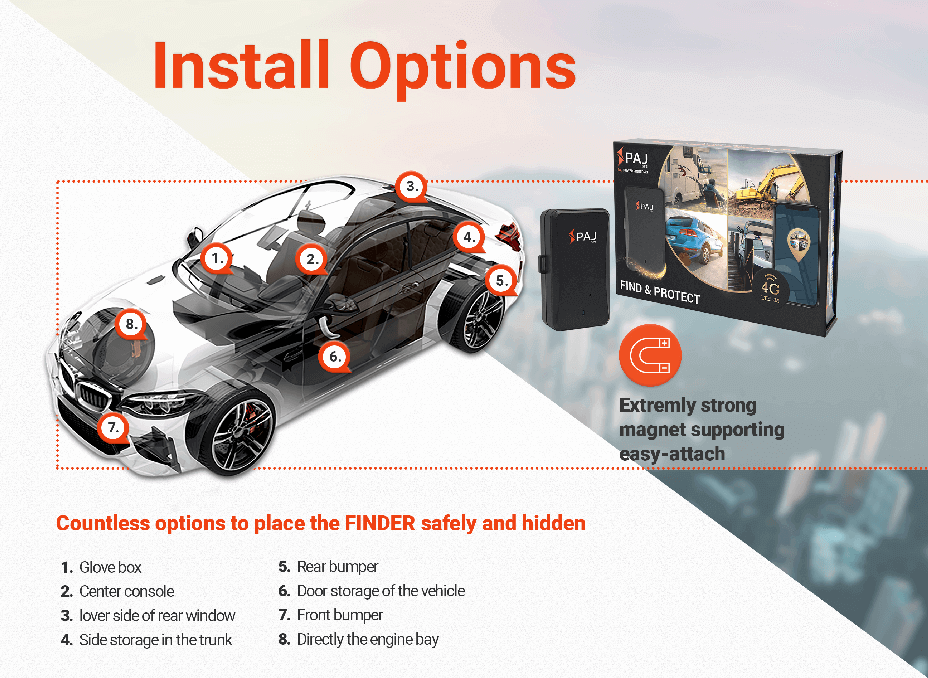
Credit: www.paj-gps.com
Types Of Gps Trackers For Cars
Understanding the types of GPS trackers for cars is crucial for selecting the right one. These devices vary in installation, features, and flexibility. Let’s explore the common types available.
Hardwired Trackers: Hidden And Effective
Hardwired GPS trackers are installed directly into a car’s electrical system. They’re often hidden from view, making them less prone to tampering. Here are their key features:
- Permanent solution with continuous power supply
- Professional installation required
- Usually mounted under the dashboard
Plug-and-play: Ease Of Use
Plug-and-play trackers are user-friendly devices that connect to the OBD-II port of a car. They offer the following advantages:
- Simple installation – just plug in and go
- No professional help needed
- Can be easily transferred between vehicles
Portable Trackers: Flexibility On The Go
For those seeking portability and versatility, portable GPS trackers are the answer. Their main characteristics include:
- Wire-free with a rechargeable battery
- Small and easily concealable
- Can be moved between different assets
Anatomy Of A Modern Gps Tracker
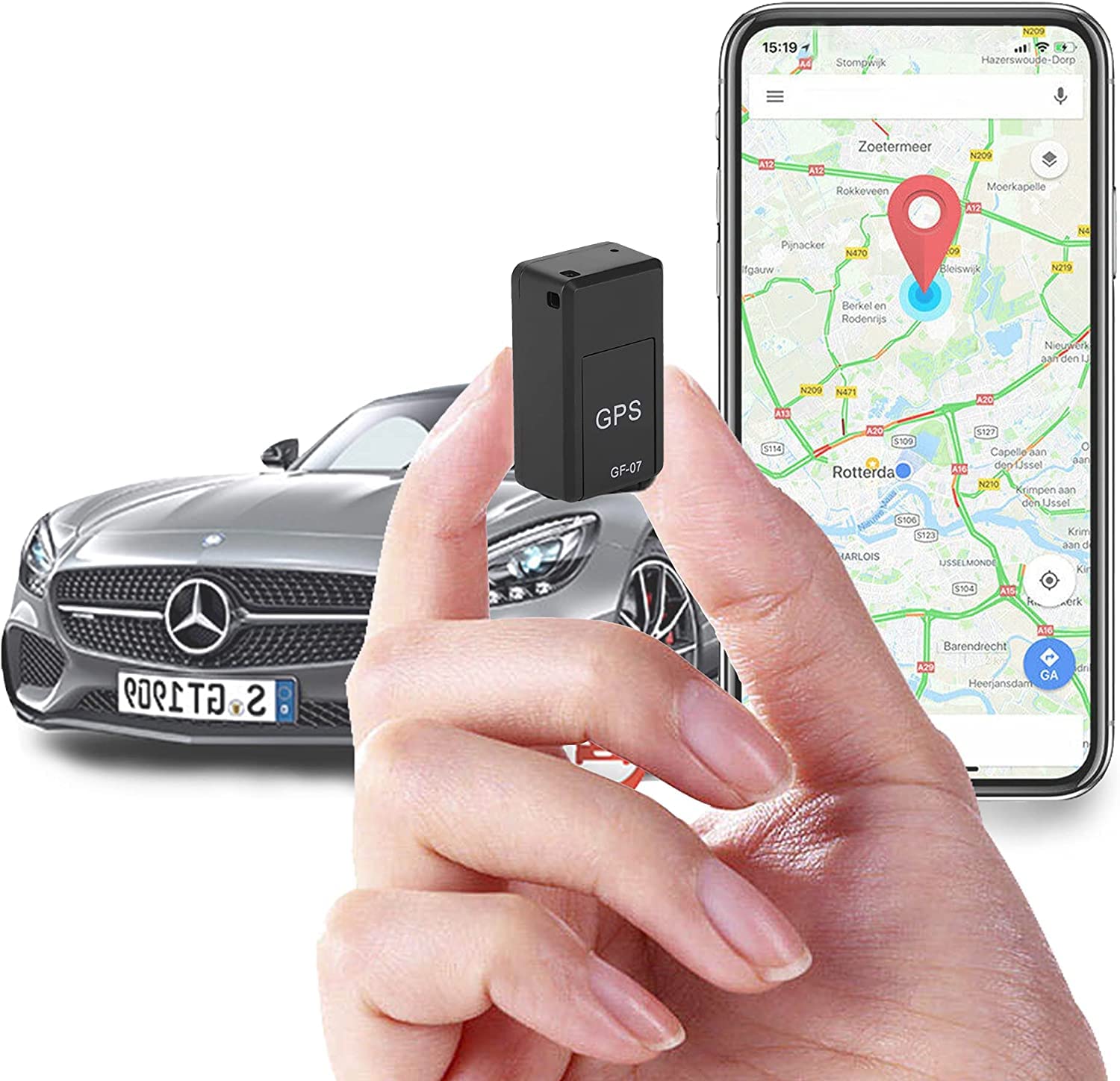
A modern car GPS tracker is typically a compact, discreet device, often no larger than a deck of cards. Its sleek design allows for easy concealment within a vehicle, ensuring real-time location tracking without drawing attention.
Understanding what a modern GPS tracker looks like is crucial for optimizing vehicle security. These devices are small but mighty, packed with advanced technology to keep your vehicle safe.
Key Components Inside A Tracker
Every car GPS tracker has several important parts:
- Mainboard: The brain of the tracker. It processes all data.
- GPS Module: This part receives signals from satellites to determine location.
- Cellular Module: It sends location information to your phone or computer.
- Battery: Powers the tracker. Some connect directly to the car’s power.
- Antenna: Boosts signal reception for more accuracy.
- Sensors: Detect movement and alert for tampering.
Exterior Design: Blending With The Vehicle
The outside of a GPS tracker is just as smart as the inside. Designers make them to be hidden easily:
- Compact Size: Small enough to fit in tight spaces.
- Durable Case: Protects against weather and wear.
- Stealthy Color: Usually black or gray to avoid detection.
- Easy Mounting: Comes with attachments for secure placement.
These features ensure the tracker does not draw attention, blending seamlessly with the vehicle.
Credit: www.amazon.com
Concealment Tactics
Car GPS trackers are small and discreet by design. This allows for effective monitoring without detection. For those concerned about privacy or security, understanding where these devices can hide is crucial. Let’s explore the art of concealing these nifty gadgets.
Common Hiding Spots For Trackers
Finding the perfect spot to conceal a tracker is key. Here are some of the most common hiding places:
- Under the Car: A popular choice due to the metal frame that can protect and hide the tracker.
- Within the Dashboard: Trackers blend seamlessly with the car’s electronics.
- Inside Bumpers: They provide a shielded space, away from casual glances.
- Under Seats: A quick and accessible spot that’s out of sight.
- In the Glove Box: Amongst various items, a tracker can easily go unnoticed.
- Behind Interior Panels: Trackers can fit snugly behind or within trim pieces.
Design Features For Stealth
GPS trackers have evolved to become virtually undetectable. The design features that aid in this stealth include:
- Compact Size: Small enough to fit in the palm of your hand, making them easy to hide.
- Magnetic Cases: They allow for quick attachment to metal surfaces.
- Color: Often in black or grey, these devices blend with the vehicle’s undercarriage or interior.
- No Lights/Sounds: To avoid drawing attention, many trackers operate silently with lights off.
Installation And Activation
Knowing how to install and activate a car GPS tracker is crucial for effective tracking. These devices come in various shapes and sizes.
Yet, their setup process shares common steps. Let’s explore how to get your car GPS tracker up and running smoothly.
Step-by-step Guide
Installing a car GPS tracker is straightforward. Follow these steps:
- Choose a location: Pick a discrete spot in your car.
- Secure the device: Use adhesive strips or built-in magnets.
- Connect to power: Plug into the onboard diagnostics (OBD-II) port or hardwire.
- Confirm signal: Ensure the tracker has a clear view for GPS and cellular signals.
- Test the device: Verify it’s transmitting data correctly.
Troubleshooting Common Issues
Encounter an issue? Don’t worry. Here’s how to fix common problems:
| Issue | Solution |
|---|---|
| No power | Check connections and battery. |
| Poor signal | Relocate to a spot with less interference. |
| No data | Ensure the subscription is active and settings are correct. |
Legalities And Privacy Concerns
When it comes to car GPS trackers, there’s more than meets the eye. The tiny devices that help keep tabs on vehicles also raise significant legal and privacy concerns. This section delves into the intricacies of the law and the ethical considerations surrounding the use of these trackers.
Understanding The Law
Laws governing GPS trackers vary widely. In many places, using a GPS tracker on a car you own is perfectly legal. But, placing a tracker on someone else’s vehicle without their consent? That’s often a different story. It’s crucial to know the legal stance of your region before deploying a tracker.
- Ownership matters: If you own the vehicle, you typically have the right to track it.
- Consent is key: For any other situation, getting consent from the vehicle’s owner is essential.
- State laws differ: Some states have specific laws that could impact how you can legally use GPS trackers.
Ethics Of Tracking And Surveillance
Surveillance ethics play a big role in the use of GPS trackers. The balance between safety and privacy is delicate. It’s important to consider the implications of tracking a vehicle. This is especially true when it involves individuals who might not be aware they’re being monitored.
| Consideration | Details |
|---|---|
| Privacy Rights | Individuals have a right to privacy that must be respected. |
| Intent of Tracking | The purpose behind using a GPS tracker should be ethical and justifiable. |
| Transparency | Informing those affected by surveillance can alleviate ethical concerns. |
Responsible use of GPS trackers involves a thorough understanding of both legal requirements and ethical considerations. Before installing a tracker, ensure your actions are compliant with the law and morally sound.
Detecting Hidden Gps Trackers
Detecting hidden GPS trackers on cars is crucial. These devices can be small and hard to spot. Knowing what to look for helps to protect privacy. In this guide, we’ll explore how to find these sneaky devices.
Signs Your Car May Be Tracked
Unusual objects in your car can be a red flag. Look for small, box-like devices. They might attach with magnets. Check under the car and in hard-to-see areas.
Noises like a faint buzzing or clicking could mean a tracker. Your car’s performance can also hint at a hidden device. If the battery drains fast, it’s worth investigating.
- Odd noises: Buzzing or clicking sounds.
- Car performance: Battery draining quickly.
- Physical inspection: Unusual boxes or wires.
Methods To Sweep For Devices
Start with a visual inspection. Use a flashlight and mirror to check nooks and crannies. A signal detector can find active trackers. These tools scan for radio frequencies. Some trackers only work when the car moves. To find these, drive around and then scan.
| Method | Description | Tools Needed |
|---|---|---|
| Visual Check | Inspect car thoroughly. | Flashlight, mirror |
| Signal Detector | Scan for radio frequencies. | RF detector |
| Test Drive | Activate motion-sensitive trackers. | Car, signal detector |
Remember, trackers can be sneaky. But with the right approach, you can find and remove them. Stay vigilant and protect your privacy.
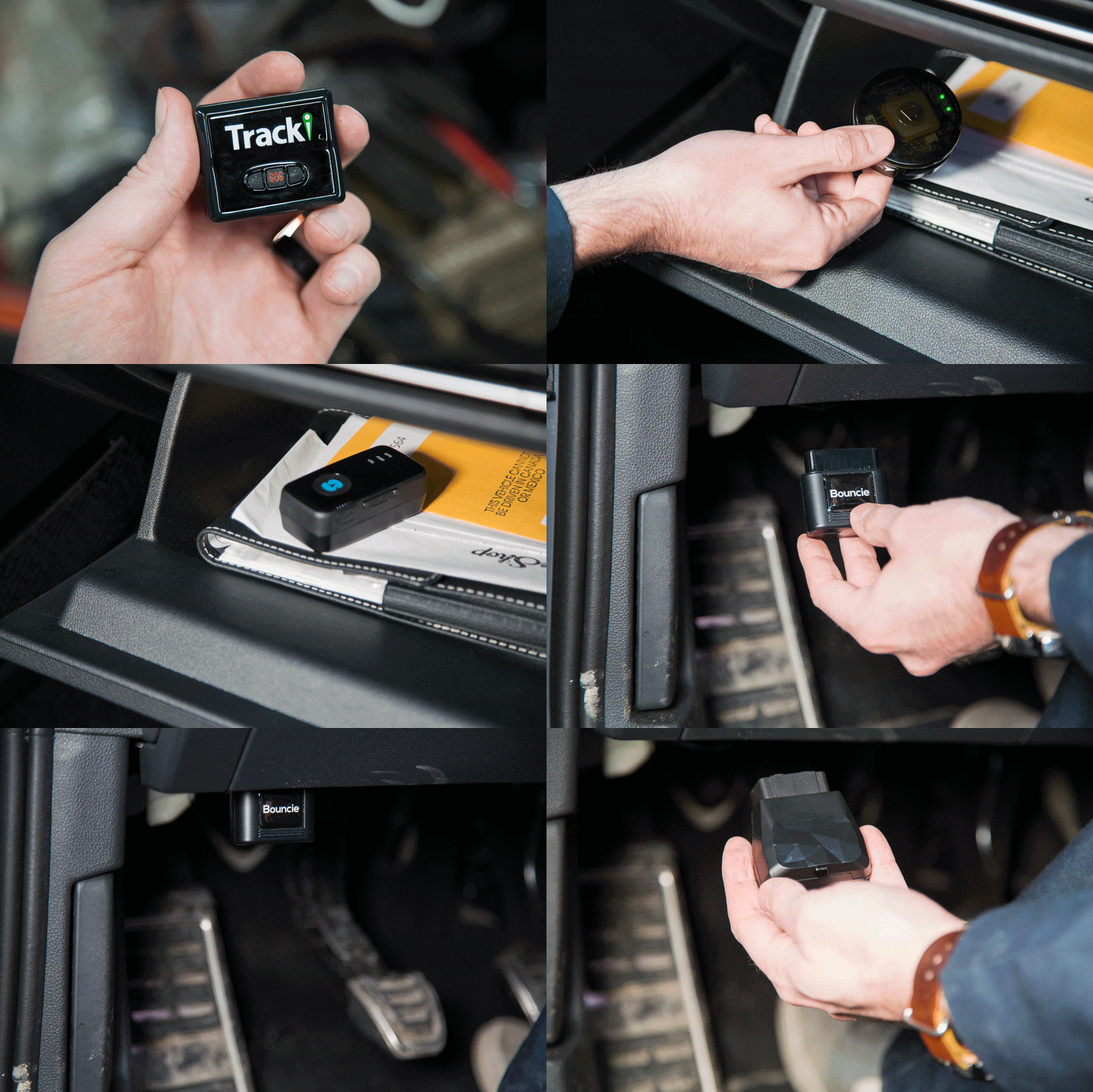
Credit: www.caranddriver.com
The Future Of Car Gps Tracking
As technology advances, the future of car GPS tracking promises revolutionary changes. These innovations aim to transform how we interact with our vehicles, enhancing security and streamlining ownership.
Innovations On The Horizon
New GPS technologies are set to redefine car tracking. Upcoming features include:
- Real-time tracking: Instant location updates will become standard.
- Advanced analytics: Software will predict vehicle maintenance needs.
- Integrated AI: AI will personalize car settings based on the driver’s habits.
These advancements will make car tracking more precise and user-friendly.
Impact On Car Security And Ownership
Enhanced security features are a key benefit of new GPS trackers. Expect:
| Feature | Description |
|---|---|
| Geofencing alerts | Notifications when your car leaves a set area. |
| Theft prevention | Trackers will disable cars remotely in theft cases. |
| Driver behavior monitoring | Insights into driving patterns to encourage safe driving. |
These features will make cars safer and reduce theft risks.
Car ownership will also evolve with GPS changes. Easier tracking will lower insurance costs and help in quick recovery during theft. New levels of connectivity will also enhance user experience and vehicle management.
Frequently Asked Questions
How Can You Tell If Your Car Has A Gps Tracker On It?
To detect a GPS tracker on your car, inspect the exterior, especially the undercarriage, wheel wells, and bumper areas. Check inside, under seats, and in the trunk for unusual devices. Use a flashlight and mirror for hard-to-see spots. Consider a professional sweep for hidden electronics.
What Does A Tracker Look Like That You Put On A Car?
A car tracker is typically a small, discreet device, often resembling a compact box or a plug-in module. It may have a magnetic case for easy attachment to a vehicle’s metal surfaces.
What Does A Police Car Tracker Look Like?
A police car tracker is typically a small, discreet box with an antenna, often attached covertly to a vehicle’s undercarriage for real-time location monitoring.
Can A Cell Phone Detect A Gps Tracker?
Yes, a cell phone can detect a GPS tracker through specific apps designed to scan for nearby GPS signals. These apps help identify unauthorized tracking devices.
Conclusion
Understanding the appearance and functionality of car GPS trackers is crucial for modern vehicle security. These devices vary in size and shape, but all serve the same purpose: tracking your vehicle’s location.
Armed with this knowledge, you’re better equipped to choose the right tracker for your needs, ensuring peace of mind on the road.
Stay informed and stay safe.

Sudatta is a passionate automotive enthusiast and expert in the field. With a keen eye for detail and a love for all things automotive, he shares insightful articles and reviews to ignite the automotive passion in readers.