
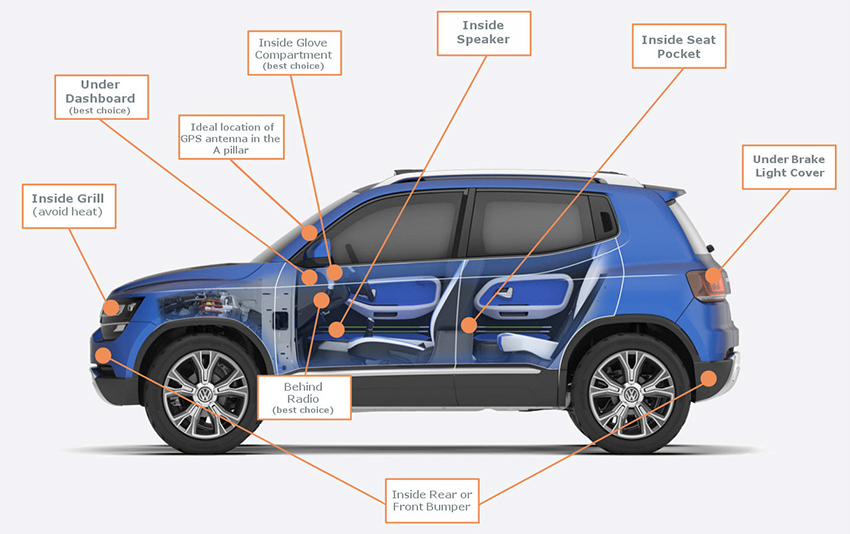
To install a car GPS tracker, first select a discreet location and secure the device. Next, connect it to the vehicle’s power source for continuous tracking.
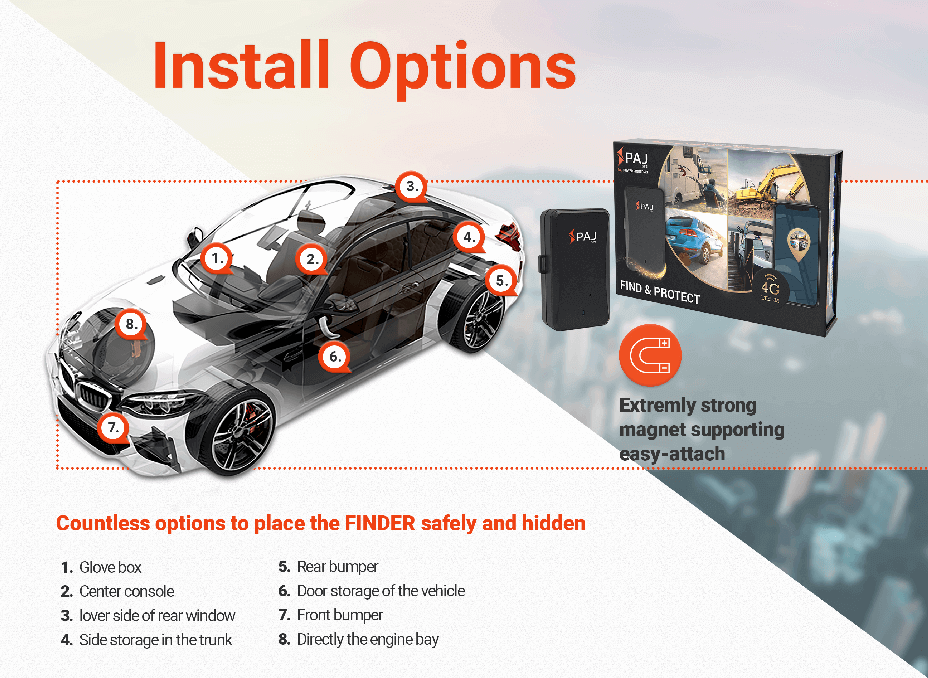
Installing a car GPS tracker can enhance the security of your vehicle and provide peace of mind. It’s a straightforward process that involves choosing an optimal spot for the tracker, usually hidden from view to avoid detection by potential thieves.
The device typically needs a connection to a power source, either through the car’s battery or a built-in battery, to ensure it operates continuously. This step is critical for real-time tracking and maintaining the functionality of the GPS tracker. Many modern trackers are designed for easy installation, so even those with minimal technical knowledge can set them up. Always consult the manufacturer’s instructions for the best results and to maintain the device’s warranty. Ensuring that your tracker is properly installed means you can reliably monitor your vehicle’s location at any time.
Credit: www.paj-gps.com
Introduction To Car Gps Trackers
Car GPS trackers are revolutionary gadgets. They help keep a watchful eye on your vehicle. Know where your car is at all times. These devices offer peace of mind. They can be a game-changer for personal and business use.
Benefits Of Installing A Gps Tracker
- Security: Instant alerts for suspicious activity.
- Monitoring: Track your vehicle’s location in real-time.
- Fleet Management: Improve business operations with efficient tracking.
- Cost Savings: Reduce fuel usage and prevent misuse.
Types Of Car Gps Trackers
Choose a GPS tracker that fits your needs. Here are some common types:
| Type | Features |
|---|---|
| OBD Trackers | Plug and play, no wiring needed. |
| Hardwired Trackers | Hidden installation, continuous power. |
| Portable Trackers | Wireless, battery-powered, and easy to move. |
Assessing Your Needs
Before diving into the installation of a GPS tracker in your car, identifying your specific needs is crucial. Whether you aim to monitor a family vehicle or manage a fleet, your goals will determine the type of device you choose. This section will guide you through defining your tracking goals and selecting the right model for your car.
Defining Your Tracking Goals
Understanding your main objectives is the first step towards a successful GPS tracker installation. Goals can vary widely:
- Security against theft
- Monitoring driving habits
- Fleet management efficiency
Clearly defined goals ensure you select a GPS tracker that meets your requirements.
Choosing The Right Model
With numerous GPS trackers on the market, choosing the right one can be overwhelming. Consider the following:
| Feature | Benefit |
|---|---|
| Real-time tracking | Instant location updates |
| Geofencing | Set boundaries for vehicle |
| Battery life | Longer intervals between charges |
Match the features with your goals to find the perfect model. A robust device with multiple features is ideal for intricate tracking needs, while a basic model works for simple location updates.
Preparation For Installation
Before installing a car GPS tracker, proper preparation is crucial. This step ensures a smooth and effective installation process. By gathering the right tools and understanding your vehicle’s layout, you can avoid common mistakes and ensure your GPS tracker works well.
Gathering Necessary Tools
Gathering the right tools is the first step to a successful GPS tracker installation. Here is a list of essential items you will need:
- Screwdriver set
- Wire strippers
- Electrical tape
- Multi-meter or test light
- Zip ties
Having these tools ready before you start can save time and prevent stress.
Understanding Your Vehicle’s Layout
Knowing your vehicle’s layout is vital for proper tracker placement. Here are key points to consider:
- Locate the fuse box; it’s often under the dashboard.
- Identify constant and switched power fuses.
- Find a discreet location to mount the tracker.
Understanding these areas helps in placing the GPS tracker in the best spot.
Preparing thoroughly simplifies the installation process. It prevents damage to your vehicle and ensures the tracker functions correctly. Make sure to follow these steps for a successful installation.
Credit: family1st.io
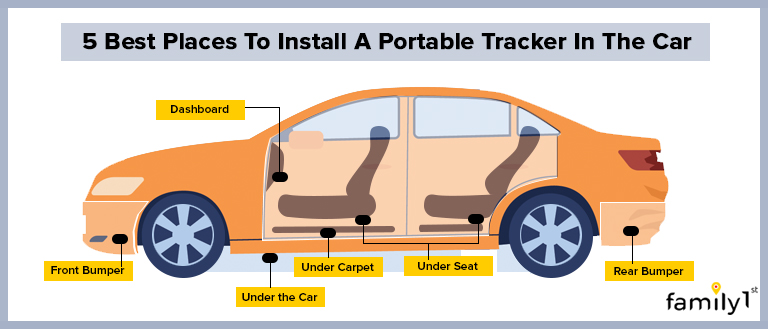
Selecting The Installation Spot
Selecting the right spot to install a car GPS tracker is critical. This step ensures the device’s effectiveness and security. The location impacts signal strength and the likelihood of detection. Let’s explore the best installation spots.
Covert Vs. Open Placement
Choosing between a hidden or visible spot is key. A covert installation keeps the tracker safe from tampering. It also ensures that the device remains undetected by potential thieves. Common hidden spots include:
- Under the dashboard
- Inside the bumper
- Under seats
An open placement might be easier to install. Yet, it may be more vulnerable. Open spots include:
- On the dashboard
- Atop the glove compartment
Considering Signal Strength
Signal strength is crucial for a GPS tracker. Metal and other materials can block signals. Ensure a clear path to the sky for optimal performance. Ideal spots with strong signal include:
- Within the front grill
- Near the rear window
Test signal strength before finalizing the spot. This guarantees the tracker works well.
Step-by-step Installation Process
Welcome to the Step-by-Step Installation Process for your new car GPS tracker. Installing a GPS tracker in your vehicle is straightforward. You can do it yourself with ease. Follow these steps to ensure your GPS tracker is up and running quickly.
Mounting The Tracker
Choosing the right spot to mount your tracker is crucial. It should be discreet yet have a clear view of the sky. Here’s how to mount it:
- Find a covert location inside your car that is free from interference.
- Make sure the spot is within reach of the tracker’s power cord.
- Use the provided adhesive or mounting brackets to secure the tracker.
- Ensure it’s mounted away from any heat sources or moving parts.
Connecting To Power Source
Powering your GPS tracker is a critical step. A stable power source ensures continuous tracking. Here’s how to connect it:
- Locate your car’s 12V power outlet or the battery for direct connection.
- If using the outlet, plug in the tracker and tuck away any excess wires.
- For battery connection, connect the red wire to the positive terminal and the black wire to the negative terminal.
- Secure all connections to avoid disconnection while driving.
With these steps, your GPS tracker installation should be a success. Enjoy the peace of mind that comes with enhanced vehicle security!
Testing The Gps Tracker
Once the car GPS tracker is in place, it’s crucial to test it. Testing ensures the device is ready for real-world use. A well-tested tracker offers peace of mind. It’s time to switch on the engine and see the magic unfold.
Ensuring Proper Functionality
Start with a simple power check. Is the LED blinking? Good! It means the tracker is on. Next, check your app or online platform. You should see the car’s location there.
- Check for signal strength. The tracker needs a strong signal to work best.
- Test while moving. Drive around and see if the location updates smoothly.
- Set up geofences. Get alerts when your car enters or leaves a set area.
- Test speed alerts. See if you get notified when going over a set speed.
Make sure all features work as they should. Your GPS tracker is now a reliable co-pilot.
Troubleshooting Common Issues
Not seeing the location? Don’t worry. Check if the tracker is in a spot with clear sky view. Metal can block signals.
Is the data delayed? Moving to an area with better coverage helps. This ensures a steady data flow.
| Problem | Possible Cause | Solution |
|---|---|---|
| No power light | Loose connection | Check all cables |
| App not updating | Weak signal | Relocate tracker |
| Inaccurate location | GPS drift | Wait for stabilization |
Still facing issues? Refer to the manual. Contact support if needed. They can guide you to a solution.
Legal Considerations
Before installing a GPS tracker in your car, understanding the legal framework is crucial. Legal considerations ensure you comply with the law and respect privacy. Let’s delve into the legalities to keep your GPS tracking on the right side of the law.
Understanding Privacy Laws
Privacy laws vary by location. These laws define what is legal regarding tracking. It’s essential to know the rules in your area. Illegal tracking can lead to serious consequences.
- Check local legislation to understand what is permitted.
- Be aware that laws can change, so stay updated.
- Consider the purpose of tracking. Personal use and business use have different rules.
Gaining Necessary Permissions
Permission is key when installing a GPS tracker. Consent can be required from various parties depending on the context.
- For personal vehicles, inform all drivers about the tracker.
- In a business setting, employees should be aware of the company’s tracking policy.
- Always gain explicit consent when required.
Maintaining Your Gps Tracker
Keeping your car GPS tracker in top shape is crucial. It ensures accurate tracking and long-lasting performance. Here’s how to maintain it effectively:
Regular Checks And Updates
Regularly check your GPS tracker to ensure it functions properly. Here are key areas to focus on:
- Battery life: Check the battery regularly to avoid power losses.
- Signal strength: Ensure the device maintains a strong signal for reliable use.
- Software updates: Update the software to improve performance and add new features.
Set a monthly reminder to perform these checks. This routine keeps your tracker working well.
Dealing With Wear And Tear
Wear and tear can affect your GPS tracker. Here’s how to handle it:
- Inspect the case: Look for any cracks or damage. Replace the case if needed.
- Clean the device: Dust and dirt can affect performance. Gently wipe your tracker with a clean cloth.
- Secure connections: Check all connections. Make sure they are tight and secure.
Addressing wear and tear extends the life of your GPS tracker. It ensures it continues to work efficiently.
Following these steps helps keep your GPS tracker in excellent condition. It ensures accurate and reliable vehicle tracking.
Advanced Features And Tips
Welcome to the world of advanced car GPS tracking! Beyond basic location tracking, modern GPS trackers offer a range of features. These features help you better manage your vehicle’s safety and efficiency. Let’s explore how to make the most out of these advanced options.
Setting Up Geofencing
Geofencing is like an invisible fence for your car. It alerts you when your car enters or leaves a specific area. Here’s how to set it up:
- Access your GPS tracker’s app or web interface.
- Go to the geofencing section.
- Choose ‘Add Geofence’ and select the area on the map.
- Enter a name for your geofence and save it.
You’ll get notifications if your car moves in or out of this zone. This keeps your car safe and gives you peace of mind.
Analyzing Data For Improved Usage
Modern GPS trackers provide useful data. This data can improve how you use your car. To analyze your car’s data, follow these steps:
- Log in to your tracking dashboard.
- Review the trip history for patterns and habits.
- Look at speed, idle times, and route efficiency.
By understanding this data, you can:
- Optimize routes for fuel savings.
- Reduce idle time to lower wear and tear.
- Enhance overall car performance.
Better data leads to smarter decisions about your car’s use.

Credit: www.youtube.com
Frequently Asked Questions
How Do I Install Gps In My Car?
To install GPS in your car, purchase a compatible GPS device. Mount it on the dashboard or windshield securely. Connect the power cable to your vehicle’s cigarette lighter or USB port. Follow the device’s setup instructions to initialize and start using the navigation features.
Is It Legal To Put A Tracker On Your Own Car?
Yes, it’s generally legal to place a tracker on your own vehicle for personal use. Always check local laws for any specific regulations.
What Tools Are Needed To Install A Gps Tracker?
To install a car GPS tracker, you typically need a basic toolset including screwdrivers, wire strippers, and electrical tape. Some models may require additional specific tools, so check the installation manual first.
How Do You Choose The Best Location For A Gps Tracker?
The best location for a GPS tracker in a car is usually hidden and secure, such as under the dashboard, near the rear bumper, or inside the trunk. Ensure the area has minimal metal interference for optimal signal strength.
Conclusion
Installing a car GPS tracker can be straightforward with the right tools and instructions. It’s a smart move for enhancing security and monitoring vehicle movement. Remember to choose a discreet location and ensure a solid connection to power sources. With your GPS tracker now in place, you’re set for peace of mind on every journey.

Sudatta is a passionate automotive enthusiast and expert in the field. With a keen eye for detail and a love for all things automotive, he shares insightful articles and reviews to ignite the automotive passion in readers.