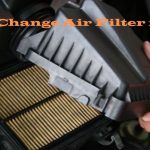
How to install an air filter, locate the air box, open it, remove the old filter, and insert the new one. Ensure proper orientation and seating for optimal performance.
Replacing your car’s air filter is a vital maintenance task that ensures your engine receives clean air for combustion, which can improve fuel efficiency and prolong engine life.
An air filter, typically found in a plastic box within the engine bay, prevents debris and dirt from entering the engine.
Mechanics and car enthusiasts know that a clogged or dirty air filter can lead to reduced horsepower and potentially costly repairs.
Fortunately, this is a simple DIY task that most vehicle owners can perform without needing specialized tools or extensive mechanical knowledge.
Regular air filter replacement is an easy way to help maintain your vehicle’s performance and is often recommended every 12,000 to 15,000 miles.
By keeping these steps in mind, car owners can ensure they keep their engine running smoothly and efficiently.

Credit: www.amazon.com
Introduction To Air Filter Installation
An air filter is a guardian of your indoor air quality, capturing dust, pollen, and other unwanted particles. Installing a new air filter ensures your air stays clean, which could help your family breathe easier and keep your heating and cooling systems running efficiently.
Let’s walk through the basics of replacing your air filter – it’s a simple DIY task that can have a significant impact on your home’s environment.
The Role Of Air Filters In Indoor Air Quality
Air filters play a crucial role in maintaining healthy indoor air. They trap contaminants and prevent them from circulating through your home. This is vital for those with allergies or respiratory issues.
A clean air filter also helps your HVAC system operate at peak efficiency, saving you money and extending the life of your system.
Tools And Materials Needed For Installation
Before starting your installation, gather the right tools and materials. This will make the process smoother and faster. You’ll need:
- New air filter: Make sure it’s the correct size for your system.
- Screwdriver: Some air filter compartments may require this to open.
- Gloves: To keep your hands clean and prevent skin irritation from dust.
- Garbage bag: For the old filter disposal.
Step 1: Locate Your Air Filter
Knowing where your air filter is sets the stage for a smooth installation. Most filters hide in plain sight. Yet, some might require a bit more sleuthing. Your installation journey starts with the discovery of your air filter’s location. Let’s take this step by step, making sure you’re prepared and safe throughout the process.
Identifying The Type Of Filter System
Two common types of filter systems exist:
- Return-air registers: These are usually on walls or ceilings in common areas.
- Furnace or air handler cabinets: These are in mechanical rooms or basements.
Opening the cabinet or register should reveal the filter. Look for a model number or size.
Safety Precautions Before Beginning
Before touching your filter, safety is key. Here are steps to stay safe:
- Turn off the HVAC system: Always start by powering down your heating or cooling system at the thermostat or breaker. This prevents the system from turning on during the change.
- Wear gloves: Gloves protect your hands from dust and debris. If you have allergies, wear a mask too.
- Have the right tools handy: Some filters need a screwdriver or other tools to remove the cover. Be prepared with basic tools.
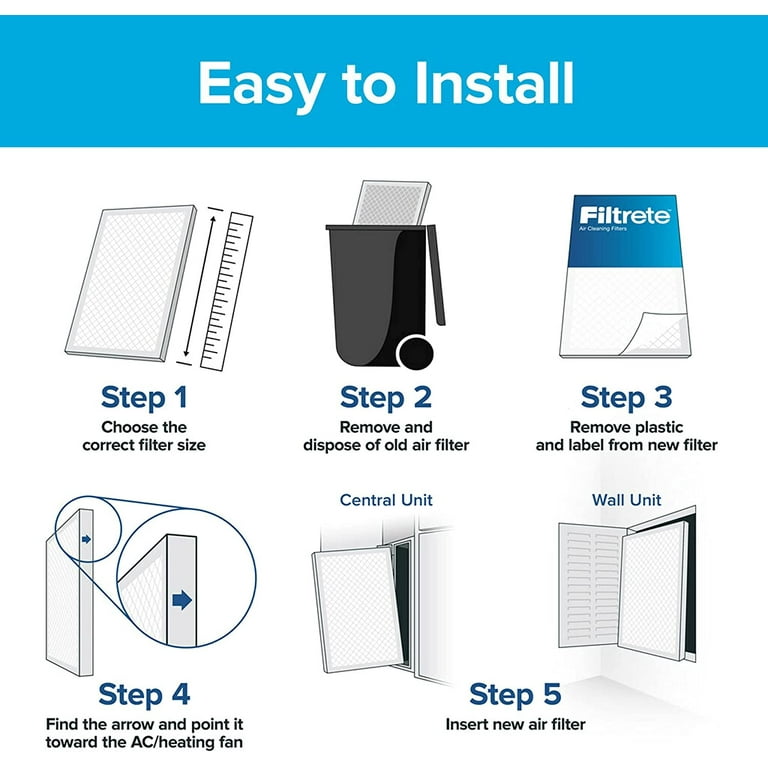
Step 2: Remove The Old Air Filter
Replacing your vehicle’s air filter is a critical task. A clean air filter ensures efficient engine performance and helps keep contaminants out of the engine. In Step 2, focus lies in carefully removing the old, dirty filter. Follow these steps for a safe and smooth removal process.
Steps For Safe Removal
Safety always comes first. Keep the engine off and let it cool down. You’ll be working under the hood, and engine components can be hot. Here’s what to do next.
- Locate your vehicle’s air filter housing. It’s usually a black plastic box with clips on the side.
- Release the clips or unscrew the housing as required. Handle these parts gently to avoid breakage.
- Carefully lift the cover. You now have access to the air filter.
- Take note of the filter’s orientation to assist with proper installation of the new filter.
- Remove the old air filter. Avoid shaking it inside the housing to prevent debris from falling into the engine.
Tip: Take a photo with your phone for reference when installing the new filter.
How To Dispose Of The Old Filter Properly
It’s not just about removing the old filter—it’s about environmental responsibility.
- First, shake off any loose dirt over a trash bin.
- Wrap the used filter in a plastic bag. This minimizes the spread of the dust and debris.
- Check with your local waste management. Some areas have specific disposal instructions.
- Recycling is the best option. Find a nearby facility that accepts used filters.
Proper disposal prevents harmful pollutants from returning to the environment.
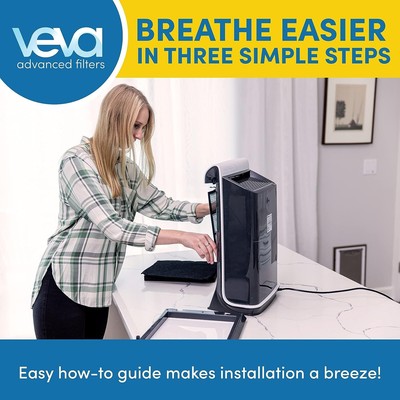
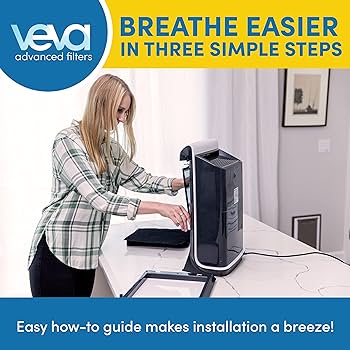
Credit: www.ebay.com
Step 3: Choose The Right Air Filter
Selecting an air filter is a crucial step for maintaining your home’s air quality. Not all air filters are equal. It’s vital to find one that fits both your system’s requirements and your personal needs.
Factors like filter size, effectiveness, and specific needs like allergy prevention should guide your choice. Let’s dive into what you need to consider.
Understanding Merv Ratings
Filters come with MERV ratings. MERV stands for Minimum Efficiency Reporting Value. This rating tells you how well a filter can catch tiny particles. Ratings range from 1 to 20. Higher MERV ratings catch more and smaller particles. Here’s a quick guide:
| MERV Rating | Particle Size | Typical Use |
|---|---|---|
| 1-4 | >10 microns | Basic filtration |
| 5-8 | 3-10 microns | Standard residential |
| 9-12 | 1-3 microns | Superior residential |
| 13-16 | 0.3-1 micron | Hospital grade |
| 17-20 | <0.3 micron | HEPA |
Choose a filter with a MERV rating that suits your environment. For most homes, a rating between 5 and 12 is adequate.
Considerations For Allergy Sufferers
If allergies affect your family, pick a filter designed to trap allergens. Look for high MERV-rated filters.
They capture common irritants like pollen, dust mites, and pet dander. Consider filters with a rating between 9 and 12 for this purpose.
- MERV 9-12: Captures pet dander and dust mites.
- Hypoallergenic filters: Designed for homes needing cleaner air.
- HEPA filters: Best for removing the most particles, but check compatibility with your HVAC system.
Ensure the filter is compatible with your HVAC system to avoid restricting airflow.
Step 4: Insert The New Air Filter
Once the old air filter is out, it’s time to put in a new one. Here’s how to do it right. Make sure you have your new filter ready to go. Follow these simple steps to ensure a perfect fit and optimal performance.
Correct Orientation Of The Filter
Air filters must go in a certain way. Look for arrows on the filter. These point to the airflow direction. Match these arrows with the flow of air in your system.
This usually means the arrows will point away from you and towards the inside of the engine or housing. This alignment is critical for proper filtration.
Ensuring A Snug Fit
Insert the filter gently into the slot. Push it all the way in. There should be no gaps around the edges. Check the seal to make sure it’s tight. A good fit keeps dirt out and lets clean air through.
Double-check the housing cover. Make sure it closes without forcing. This means the filter fits just right. Follow these pointers:
- Do not rush this step.
- Apply even pressure to avoid bending.
- If the filter doesn’t slide in easily, check the orientation again.
Step 5: Final Checks And Maintenance Tips
With the new air filter snugly in place, it’s vital to perform a few final checks. This ensures your car breathes easy and runs smoothly.
Committing to regular maintenance also prolongs the life of your filter and engine. Follow these important steps to wrap up the installation and maintain peak performance.
Checking For Leaks And Gaps
Seal the deal by inspecting the filter housing. Look around the edges for any signs of misalignment. Any gaps could let dirt and debris slip through. Be sure to press along the edges for a firm fit. A perfect seal is crucial for your engine’s health.
Regular Maintenance Schedule For Optimal Performance
Adopt a proactive approach to air filter maintenance. It’s the key to a long-lasting engine. Keep track of the dates and mileage since the last change. Aim for a check-up every 12,000 to 15,000 miles or once a year, whichever comes first.
Implement the following practices:
- Visual Inspections: Look for clogs and damage periodically. Do this more often in dusty environments.
- Check Manufacturer Guidelines: Your car’s manual lists specific maintenance recommendations. Stick to them.
- Record Keeping: Log each check and replacement. This helps track performance and schedule future maintenance.
A consistent maintenance schedule ensures your engine runs efficiently. It also saves money on potential repairs. Treat your air filter well and your car will thank you with unwavering service.
Troubleshooting Common Issues
When installing a new air filter, you might hit a few snags. Let’s tackle these head-on to ensure your air system works flawlessly.
Dealing with Incorrectly Sized Filters
Dealing With Incorrectly Sized Filters
Finding the right size for your filter is crucial. An incorrect size can lead to poor air quality and system issues.
- Check the old filter for size markings.
- Measure the filter slot if size isn’t noted.
- Buy filters that match these dimensions.
If a filter is too small, air bypasses it, rendering it useless. If too large, it won’t fit. Always double-check the size before purchase.
Resolving Air Flow Blockages
Resolving Air Flow Blockages
Blockages can stop air from flowing through your system. This can overwork your HVAC and lead to damage.
- Turn off the system before checking.
- Inspect the filter for debris build-up.
- Remove any visible blockage from ducts.
Regular maintenance keeps air flowing smoothly. Replace filters based on the manufacturer’s schedule to prevent blockages.
Benefits Of Regularly Changing Your Air Filter
Keeping your home’s air clean starts with one simple step: replacing your air filter. This task may seem small but has big benefits.
By changing your air filter regularly, you gain several advantages that affect not just your comfort but also your wallet.
Improved Indoor Air Quality And Health Benefits
Clean air is vital for good health. Dust, pollen, and pet dander are common in homes. They can make breathing hard, especially for people with allergies or asthma.
Regular air filter changes trap these irritants, keeping the air in your home cleaner, which means you stay healthier.
- Better breathing conditions
- Less allergy flare-ups
- Reduction in asthma symptoms
Longevity And Efficiency Of Hvac System
A clean filter means a happy HVAC system. It doesn’t have to work as hard when air flows freely. This leads to less wear and tear on the system. Fewer repairs and a longer life for your HVAC can save you money.
Here are the ways a fresh filter helps:
| Efficiency Gains | Longevity Benefits |
|---|---|
| Enhanced airflow | Reduced strain on system |
| Lower energy bills | Delayed replacement costs |
Credit: www.walmart.com
Frequently Asked Questions On How To Install Air Filter
Which Way Do I Put My Air Filter In?
Ensure the air filter’s arrow points towards the furnace or air handler. Check for a marked airflow direction on the filter frame, and insert it accordingly.
What Happens If Air Filter Is Backwards?
Installing an air filter backwards obstructs airflow, reducing engine efficiency and potentially causing damage over time. The system’s filtration capacity diminishes, leading to unfiltered air entering the engine, which can increase wear on engine components.
Which Way Does An Air Filter Go In The Ceiling?
Place the air filter into the ceiling with the arrow on the frame pointing towards the ductwork. Ensure the filter fits snugly without gaps for optimal airflow and filtration.
Which Way Does Filtrete Air Filter Go?
Install your Filtrete air filter with the arrow pointing towards the furnace or air handler. Ensure proper airflow by following the direction of the system’s ductwork.
Conclusion
Installing your air filter need not be a complex task. With the clear steps outlined, you’re set for a smooth DIY project. Remember, regular maintenance ensures clean air and optimizes your system’s efficiency. Grab your tools and embrace the simplicity of this home improvement chore.
Breathe easy knowing you’ve nailed the installation!

Sudatta is a passionate automotive enthusiast and expert in the field. With a keen eye for detail and a love for all things automotive, he shares insightful articles and reviews to ignite the automotive passion in readers.