To fix low engine oil pressure, first check the oil level and quality, then replace the oil filter. If issues persist, inspect the oil pump and pressure sensor for faults.
Dealing with low engine oil pressure in your vehicle is critical to maintaining engine health and performance. Driving with this condition could lead to significant engine damage.
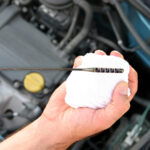
Your initial step should involve a straightforward check of the oil level using the dipstick; a low level might simply require topping up.
Equally important is the oil’s condition; dark, dirty oil can clog the filter and passages, necessitating an oil change. Should the problem remain, attention must turn to the oil filter, which may be clogged or faulty, restricting flow.
Persistent low pressure signals the need to examine the oil pump for wear or damage, and to check the pressure sensor, which might give false readings if it’s defective.
Quick action can prevent the more serious and costly consequences of running your vehicle with inadequate oil pressure.
Symptoms Of Low Engine Oil Pressure
Low engine oil pressure is a critical issue that can lead to severe engine damage. Recognizing the symptoms early can save your vehicle from a costly repair. Let’s explore some telltale signs.
Warning Lights And Alarms
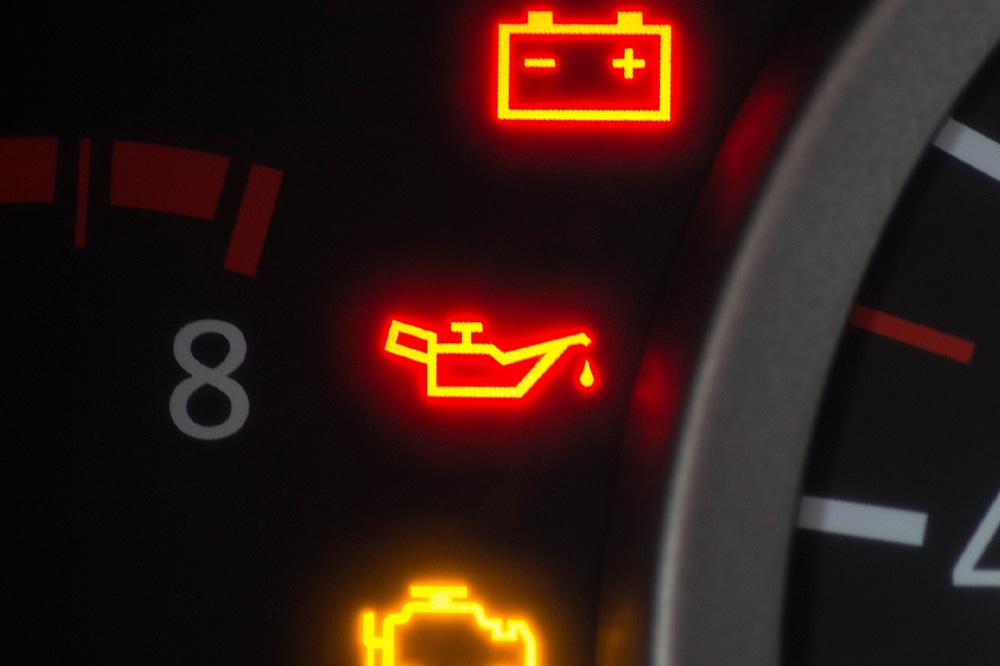
The first sign of trouble is often your dashboard warning lights. If you see the oil pressure light or hear an alarm, act fast.
This indicates that your oil pressure is dangerously low. It’s a clear signal to check your engine oil level and pressure immediately.
Engine Noise And Knocking
A well-lubricated engine runs quietly. If you hear unusual noises like knocking or ticking, it’s often due to low oil pressure.
These sounds occur because engine components are not getting enough lubrication, causing them to rub and create noise.
Overheating And Performance Issues
- Engine overheating: Without enough oil, your engine can overheat. This can lead to a sudden drop in performance.
- Sluggish response: Does your car feel slow to respond? Low oil pressure can make your engine struggle to perform.
Credit: girlingtongarage.com
Immediate Steps When Oil Pressure Drops
Noticing a sudden drop in engine oil pressure can be alarming. Your vehicle’s health could be at risk. Quick action can prevent more damage. This guide covers immediate steps to take when oil pressure falls.
Safely Pull Over
Prioritize safety first. Find a secure spot to park. Turn on your hazard lights. Stay calm. Ensuring you and your vehicle are safe is crucial before addressing the oil pressure issue.
Turn Off The Engine
Turn off your vehicle immediately. Continuing to drive with low oil pressure can cause severe engine damage. Wait a few minutes before you check the oil level to let the oil settle.
Check The Oil Level
- Locate the dipstick under the hood.
- Pull it out and wipe it clean.
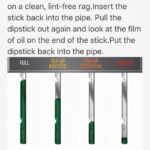
- Re-insert the dipstick fully, then remove it again.
- Examine the oil mark on the dipstick.
If the oil mark is below the minimum line, your engine is low on oil. Adding the correct type of oil might solve the issue. If the oil level is fine, the problem could be more serious. Seek professional help in this case.
Common Causes Of Low Oil Pressure
When your car’s engine oil pressure drops, it’s a warning sign. Like a doctor checking blood pressure, your car needs the right oil pressure to stay healthy. Let’s explore what causes low oil pressure and keep your engine happy.
Inadequate Oil Volume
Not enough oil in your engine? That’s a problem. It’s like running a marathon with no water. Your engine needs oil to function. Here’s why you might be low:
- Leaks – Think of them as holes in a water bottle.
- Poor maintenance – Skipping oil changes is a big no-no.
- Oil consumption – Some engines drink oil faster than others.
Check your oil level often. Use the dipstick – it’s your friend. It tells you if you need to top up.
Oil Viscosity And Quality
Viscosity is a fancy word for ‘thickness’. Oil that’s too thin won’t protect well. Oil that’s too thick can’t flow where it’s needed. Use the right oil for your car. Your manual knows best.
Quality matters too. Cheap oils may not cut it. They can break down quickly. That’s bad for protection. Always choose quality, recommended oils.
Worn Engine Bearings
Bearings in your engine are like roller skates for parts. They help things move smoothly. When they wear out, your oil pressure can drop. Signs of wear include:
- Knocking noises – It’s not your friend at the door.
- Metal in oil – Shiny specks are not a good sign.
- Low oil pressure light – It’s asking for help.
Getting your bearings checked by a pro can save your engine.
Diy Quick Fixes
DIY Quick Fixes for low engine oil pressure can save your vehicle and your wallet. Simple steps, done at home, can prevent bigger problems. Ready to start? Follow these straightforward tips.
Top Up Engine Oil
Low oil levels can cause low pressure. Checking and topping up your engine oil is easy:
- Turn off your vehicle and wait for the engine to cool.
- Find the dipstick, pull it out, and wipe it clean.
- Insert it back, pull it out again, and check the level.
- If the oil is below the ‘Full’ mark, add fresh oil.
Always use the type of oil recommended by your car’s manufacturer.
Replace Oil Filter
A clogged oil filter can reduce oil pressure. Changing the oil filter is a vital step:
- Buy the correct filter for your car model.
- Remove the old filter using an oil filter wrench.
- Lubricate the new filter’s seal with some oil.
- Screw in the new filter by hand.
Ensure the filter is tight to avoid leaks.
Use Oil Additives
Oil additives can enhance the quality of your oil:
| Additive Type | Benefits |
|---|---|
| Viscosity Enhancer | Makes oil thicker, improves pressure. |
| Anti-Wear Agent | Protects engine parts, reduces wear. |
Choose additives compatible with your engine type.
Long-term Solutions To Prevent Recurrence
Long-Term Solutions to Prevent Recurrence focus on actions to maintain engine health. Low oil pressure can lead to severe engine damage. These strategies ensure your engine stays lubricated and runs smoothly.
Regular Oil Changes
Regular oil changes are crucial for engine longevity. Over time, oil breaks down and becomes less effective. Follow the manufacturer’s recommended schedule. Use this simple checklist:
- Check oil level every month.
- Change oil every 3,000 to 5,000 miles.
- Use manufacturer-recommended oil type.
Monitoring And Maintenance
Keep an eye on your engine’s health with regular monitoring. Look for signs of oil leaks or drops in pressure. Schedule a professional check-up at least once a year. Here are key points:
- Inspect for leaks often.
- Check oil pressure gauge regularly.
- Get professional inspections annually.
Upgrading Oil And Filter Quality
High-quality oil and filters make a difference. They keep your engine clean and well-lubricated. Consider synthetic oils and premium filters for better performance. Benefits include:
| Upgrade | Benefit |
|---|---|
| Synthetic Oil | Better lubrication, lasts longer |
| Premium Filters | Traps more contaminants, improves flow |
When To Seek Professional Help
Knowing when to seek professional help for low engine oil pressure is crucial for your car’s health. It’s important to recognize the signs that indicate a need for expert intervention.
This ensures your vehicle remains reliable and safe on the road. Let’s explore the situations where you should consult a professional mechanic.
Persistent Low Pressure After Quick Fixes
If you’ve already tried the quick fixes like checking the oil level and changing the oil filter, but the pressure gauge still reads low, it’s time to seek help.
Persistent low pressure can signal deeper issues within the engine that require a professional’s touch.
Complex Engine Diagnostics
Modern engines are complex and often require advanced diagnostic tools to pinpoint problems.
Mechanics have the necessary equipment and expertise to conduct these diagnostics. They can accurately identify the root cause of low oil pressure.
Professional Repairs And Replacements
Some engine problems are beyond the scope of DIY fixes. These include a faulty oil pump, worn engine bearings, or internal engine damage.
A certified mechanic can handle these repairs and replacements, ensuring your engine operates at its best.
Remember, acting promptly can save your engine from severe damage. Don’t hesitate to take your car to a professional if you notice any signs of low oil pressure.
Understanding The Oil Pressure Gauge
Your car’s engine needs oil under the right pressure to stay healthy. The oil pressure gauge helps you make sure that this pressure is just right. If the gauge shows low pressure, it might mean trouble for your engine.
Reading The Gauge Correctly
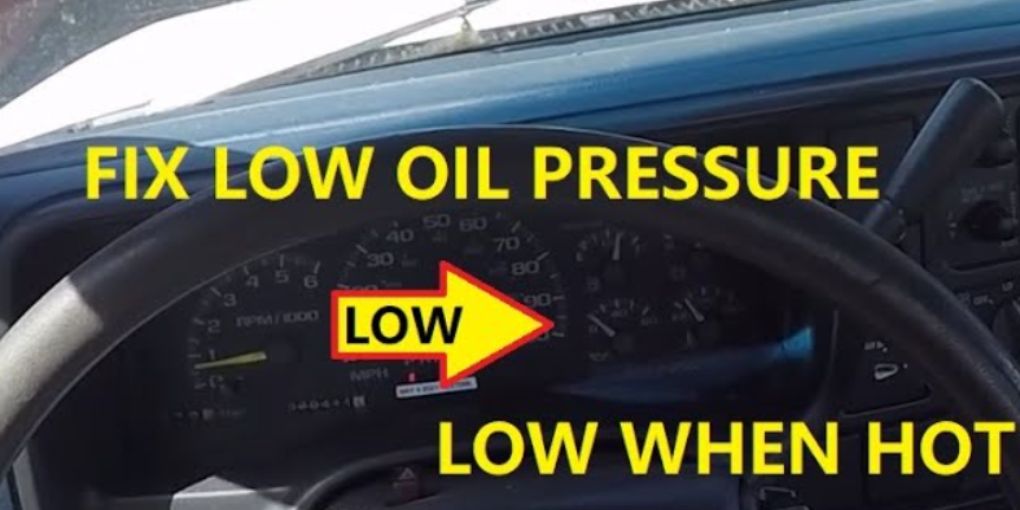
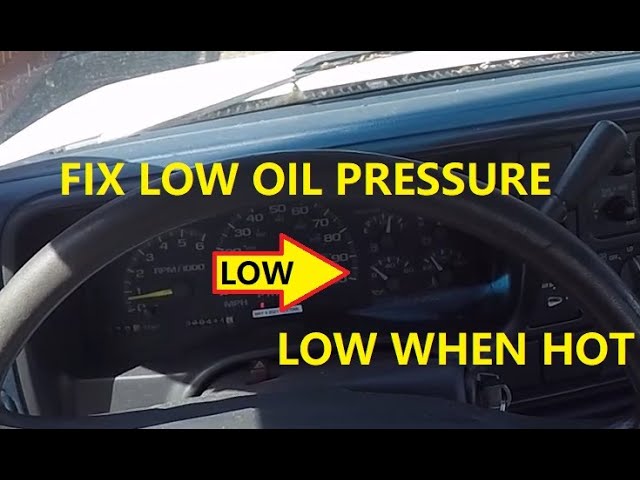
Knowing how to read your oil pressure gauge is crucial. A normal reading will usually fall between 20 to 60 psi, depending on your car’s make and model. A drop below this range signals a potential issue that needs immediate attention.
- Turn on the engine to check the gauge.
- Watch the needle move as the engine warms up.
- A steady needle generally means good oil pressure.
- Fluctuating readings could indicate a problem.
Electrical Vs. Mechanical Gauges
Different cars use different types of gauges to monitor oil pressure. Understanding the type of gauge your car has is important for accurate monitoring and maintenance.
| Type | Description | Common in |
|---|---|---|
| Electrical | Uses a sensor and electrical signals | Newer models |
| Mechanical | Directly connected to the oil system | Older models |
Electrical gauges are more common in modern cars. They are easier to install and less prone to leakage. Mechanical gauges, while older, provide direct feedback from the oil system.
Credit: www.youtube.com
Preventative Measures For Oil Pressure Maintenance
Preventative Measures for Oil Pressure Maintenance are crucial for your vehicle’s health. They keep your engine running smoothly. Low oil pressure can lead to significant engine damage.
Regular maintenance helps avoid costly repairs. Let’s explore how to keep your engine at peak performance.
Choosing The Right Oil
Using the correct oil type is essential for maintaining oil pressure. Manufacturers specify oil grades suitable for their engines.
Adhering to these recommendations ensures optimal performance. Consider these factors:
- Viscosity: It must match engine requirements.
- Quality: High-quality oils protect better.
- Synthetic vs. Conventional: Synthetic oils often offer superior protection.
Engine Warm-up Practices
Proper warm-up routines extend engine life. Cold engines have thicker oil, which flows slower. Warm engines have better oil circulation. Here’s a quick warm-up guide:
- Start the engine and let it idle for a few minutes.
- Avoid revving the engine immediately after starting.
- Drive gently until the temperature gauge shows normal operating range.
Regular Engine Inspections
Regular checks prevent oil pressure problems. Look out for leaks, worn parts, and oil quality. Here’s a checklist:
| Inspection Item | Action |
|---|---|
| Oil Level | Check and top up as needed. |
| Oil Filter | Replace at recommended intervals. |
| Oil Filler Cap and Dipstick | Ensure they are secure and intact. |
| Oil Pan | Inspect for damage or leaks. |
The Cost Of Neglecting Low Oil Pressure
The Cost of Neglecting Low Oil Pressure should never be underestimated. Oil pressure is like the blood pressure of your car. It keeps engine components lubricated and running smoothly.
Ignoring the warning signs of low oil pressure can lead to costly repairs. Let’s dive into how this negligence can affect your vehicle and your wallet.
Engine Damage And Repair Costs
Low oil pressure can cause severe engine damage. When oil pressure drops, lubrication fails. It leads to increased friction. Parts wear out faster. The result? A hefty repair bill.
- Replacement of worn-out parts: Pistons, bearings, and camshafts.
- Full engine rebuild: Sometimes necessary if damage is extensive.
- Towing services: Required if the car breaks down.
Repair costs can range from hundreds to thousands of dollars. It depends on the extent of the damage.
Impact On Vehicle Lifespan
Ignoring low oil pressure warnings shortens your vehicle’s life. Regular maintenance prevents premature wear and tear. It ensures a longer, healthier lifespan for your car.
- Regular oil changes: Keep oil pressure stable.
- Timely part replacements: Avoid cascading failures.
- Consistent check-ups: Catch issues before they escalate.
Safety Risks And Complications
Low oil pressure isn’t just a financial concern. It’s a safety risk. Engine failure can happen while driving. It puts you and others in danger.
- Loss of power: Can lead to accidents.
- Stalling: Increases risk of collisions.
- Engine fire: Possible if oil leaks onto hot components.
Addressing oil pressure issues promptly can prevent these risks. It keeps you and your passengers safe.

Credit: m.youtube.com
Frequently Asked Questions
What’s The Main Cause Of Low Oil Pressure?
The main cause of low oil pressure is typically insufficient oil in the engine or a faulty oil pump. Other causes can include a clogged oil filter or worn engine bearings.
How Much Does It Cost To Fix Low Oil Pressure?
The cost to fix low oil pressure typically ranges from $100 to $2,000. Prices vary depending on the underlying issue and vehicle type.
Will Thicker Oil Fix Low Oil Pressure?
Thicker oil may temporarily improve low oil pressure, but it’s not a long-term fix. Underlying issues like worn engine parts typically require proper mechanical attention.
How To Reset Low Oil Pressure Light?
Turn off your car’s engine and restart it; this often resets the low oil pressure light. If the light remains on, check the oil level and replenish as necessary. For persistent issues, seek professional automotive assistance.
Conclusion
Addressing low engine oil pressure is essential for your vehicle’s health and longevity. By following the steps outlined, you can identify the cause and find an effective solution.
Regular maintenance and timely interventions prevent serious damage and ensure your car runs smoothly.
Remember, when in doubt, consult a professional mechanic. Safe driving!

Sudatta is a passionate automotive enthusiast and expert in the field. With a keen eye for detail and a love for all things automotive, he shares insightful articles and reviews to ignite the automotive passion in readers.