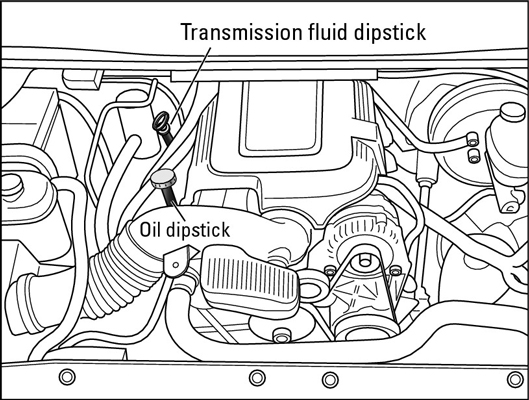
Check transmission fluid by pulling out the dipstick with the vehicle in park and engine running. Wipe the dipstick clean, reinsert it, and read the level.
Regular maintenance of a vehicle’s transmission system is crucial for its longevity and peak performance. One key aspect of such maintenance includes checking the transmission fluid, which is essential for ensuring the gears shift smoothly and the transmission operates efficiently.
This checkup can help identify potential issues before they escalate into costly repairs, saving car owners both time and money. Understanding how to carry out this simple yet vital task can extend the life of a vehicle and contribute to road safety. A clear and thorough guide to checking your transmission fluid can empower car owners to take better care of their vehicles with confidence.
Why Checking Transmission Fluid Is Crucial
Regular maintenance ensures your vehicle remains in top-notch condition. One critical aspect often overlooked is checking the transmission fluid. This fluid contributes to both the performance and longevity of your vehicle. Neglecting its level and quality can lead to premature wear and costly repairs. Let’s discover why staying on top of this is so essential.
Early Signs Of Transmission Issues
Being alert to early signs of transmission troubles can save you from a breakdown. Look out for these indicators:
- Difficulty shifting gears: Indicates fluid may be low or degraded.
- Slipping gears: Suggests inadequate fluid pressure.
- Delayed engagement: A sign the transmission fluid may not be circulating properly.
- Unusual noises: Whining or clunking sounds can signal low fluid levels.
Role Of Transmission Fluid In Vehicle Health
The health of your vehicle is closely tied to the condition of its transmission fluid. Its responsibilities include:
| Lubrication | Cooling | Cleanliness |
|---|---|---|
| Minimizes friction | Prevents overheating | Removes debris |
Regular checks and fluid changes ensure optimal performance and prevent wear on transmission components.
Prerequisites For Checking Transmission Fluid
Before diving into your vehicle’s transmission, you must prepare. Proper preparation ensures accuracy and safety. This guide outlines the essentials.
Tools and Materials Needed SectionTools And Materials Needed
Gather the right tools and materials before checking transmission fluid levels. You will need:
- Clean cloth or rag
- Funnel for adding fluid
- Transmission fluid recommended by your car manufacturer
- Dipstick if not already equipped
- Gloves to protect your hands
- Vehicle owner’s manual for specific instructions
Safety First: Precautions To Take
Transmission fluid checks require safety precautions. Always ensure:
- The car is on level ground to prevent inaccurate readings.
- Engine is cool or at the optimal temperature according to your manual.
- Car is in park or neutral with the parking brake on.
- You wear safety gloves.
- You avoid hot components under the hood.
Identify Your Transmission Type
Before you can check the transmission fluid, you must know what kind of transmission your vehicle has. Vehicles come with manual or automatic transmissions, each with different ways to check their fluid. This guide will help you figure out your transmission type and locate the correct spot to check the fluid level.
Automatic Versus Manual
Automatic transmissions do the shifting for you. They have a dipstick for checking fluid. Manual transmissions require you to change gears manually. Some may not have a dipstick. Knowing which one you have is the first step in the right direction.
Locating The Transmission Dipstick Or Fill Plug
To check the fluid, you’ll need to find either the dipstick or fill plug. Dipsticks are common with automatic transmissions. They’re often labeled and found in the engine bay. For manual transmissions, a fill plug is placed on the transmission case. You’ll need to go under the vehicle to find it. See the table below for quick tips:
| Transmission Type | Fluid Check Location |
|---|---|
| Automatic | Engine bay, near the transmission |
| Manual | Underneath the vehicle, on the transmission case |
Now that you know the kind of transmission you have and where to look, you can proceed to check the transmission fluid with confidence. Remember to always handle vehicle maintenance safely and consult your owner’s manual if you are uncertain.

Credit: m.youtube.com
Preparing Your Vehicle
Maintaining your car is crucial for a smooth ride. Checking the transmission fluid is a task you can do at home. Proper preparation is key to getting accurate results. Let’s get your vehicle ready.
Warming Up The Engine
Start by warming up your car’s engine. Let it run for a few minutes. It ensures the fluid is hot for a proper check. A warm engine gives a more accurate fluid level reading.
Securing The Vehicle For Safety
- Park your car on a flat surface to prevent it from rolling.
- Engage the parking brake firmly for added safety.
- Keep the engine running during the check.
- Wear protective gloves and glasses to safeguard against hot fluid.
- Ensure the transmission is in ‘Park’ (automatic) or ‘Neutral’ (manual).
Step-by-step Guide To Checking Fluid Levels
Maintaining your vehicle includes checking your transmission fluid regularly. This liquid keeps gears moving smoothly. Let’s dive into a simple guide to inspect your car’s transmission fluid.
Extracting The Dipstick
Start by locating your transmission dipstick. This is often near the back of the engine. In front-wheel-drive cars, it’s usually towards the front. Make sure your engine is warm and running. Pull out the dipstick gently.
Reading The Fluid Level
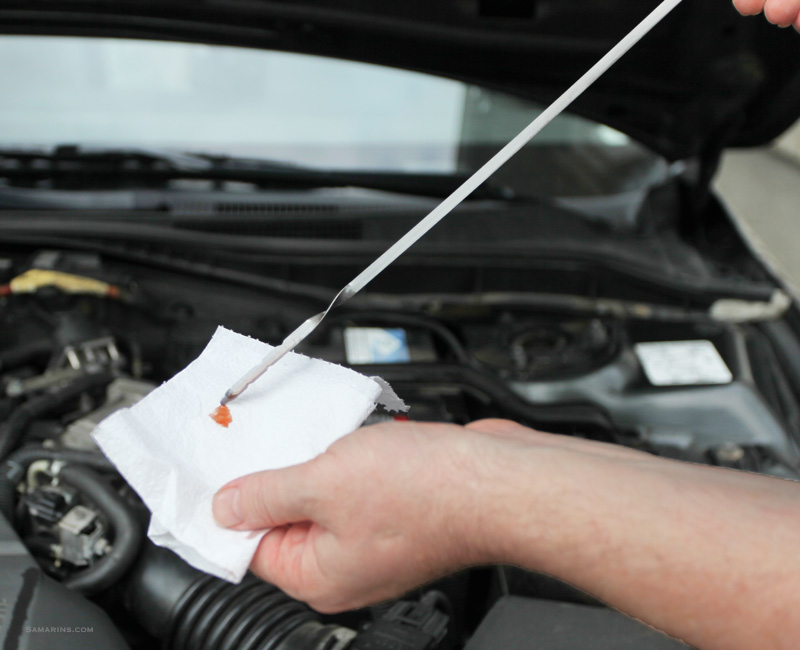
- Wipe the dipstick with a clean rag.
- Reinsert it fully.
- Pull it out again to see the fluid level.
Look for markings on the dipstick. These indicate proper fluid levels. The fluid should fall between these marks. If it’s low, more fluid is needed.
Understanding Fluid Color And Odor
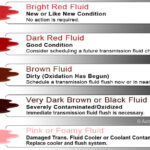
A healthy transmission has bright red fluid. It should not smell burnt. Use a white rag for a clear view of the fluid’s color. Dark or unpleasant-smelling fluid may signal a problem.
| Color | Condition |
|---|---|
| Bright Red | Good |
| Dark Brown/Black | Potential Issue |
| Cloudy | Check Immediately |
Credit: www.autotransmatic.com
Evaluating The Condition Of Transmission Fluid
Maintaining your vehicle involves regular checks of transmission fluid. It’s vital for the smooth operation of your gears and overall transmission health. Learn to assess your transmission fluid condition with these simple guidelines:
What Should Good Transmission Fluid Look Like?
Good transmission fluid has specific characteristics. Here is what to check:
- Color: New fluid typically appears red or pink.
- Consistency: It should be smooth, not thick or gritty.
- Smell: Healthy fluid smells sweet or unburnt.
Visually inspect the fluid on the dipstick. Bright and clear color usually indicates good fluid condition. Dark or opaque fluid suggests a need for change. A burnt scent or the presence of particles in the fluid are signs of wear and potential issues.
When To Consider A Fluid Exchange
Your car’s manual will suggest when to change your transmission fluid. But other signs may prompt a fluid exchange sooner:
| Signs | Action |
|---|---|
| Dark or burnt fluid | Consider a fluid exchange. |
| Unusual noises | Have a professional inspect your car. |
| Gritty texture | Get the fluid and transmission checked ASAP. |
| Transmission strugges | Seek an immediate fluid change. |
Stay proactive with regular checks. A fluid exchange can prevent costly repairs and maintain your vehicle’s performance.
Topping Up Or Changing Transmission Fluid
Keeping your car’s transmission fluid at the correct level is crucial. It ensures smooth gear shifts and long life for your vehicle’s transmission. You may need to either top-up the fluid or change it completely. The right approach depends on the fluid’s condition and the manufacturer’s guidelines. Understand the steps to add fluid and when to opt for a top-up versus a complete change. Let’s explore the process in detail.
Procedure For Adding Fluid
- Locate the transmission dipstick.
- Remove it and wipe it clean.
- Insert the dipstick back to check the level.
- Identify if a top-up is necessary.
- Pour the correct type of transmission fluid into the dipstick tube.
- Use a funnel to prevent spills.
- Add fluid in small increments, checking the level each time.
- Stop once the fluid reaches the ‘Full’ mark.
Complete Fluid Change Versus Top-up
Knowing when to top up or change the fluid protects your car’s transmission. A top-up is needed when the level is low but the fluid is clean. A complete change is best when the fluid is dirty.
| Check | Top-Up | Complete Change |
|---|---|---|
| Fluid Level | Slightly Low | Good |
| Fluid Quality | Clear/Reddish | Dirty/Burnt smell |
| Repair Signs | None | Leaks/Performance issues |
Follow the manufacturer’s schedule for fluid changes to keep your car running smoothly. Regular checks prevent costly repairs. If in doubt, consult a professional mechanic for advice.
Common Mistakes To Avoid
Keeping your vehicle in top condition is crucial, and that includes the transmission. However, checking the transmission fluid isn’t always straightforward. Many car owners make mistakes without realizing it. To maintain your car’s performance and avoid costly repairs, be aware of errors to avoid in this process.
Overfilling The Transmission
Too much fluid can lead to issues as serious as those caused by too little. Transmission fluid helps to lubricate and cool the moving parts within your vehicle’s transmission. When the transmission is overfilled, the fluid can foam, causing erratic shifting, oil starvation, or even transmission damage. Here is how to prevent it:
- Always check while your car is on level ground.
- Use the correct transmission dipstick.
- Add fluid in small increments.
- Check the level after adding.
Using Incorrect Fluid Type
Just as important as the quantity is the type of transmission fluid you use. Different vehicles require different types of fluid, and using the incorrect one can harm your transmission. To ensure you’re using the right fluid:
- Check your owner’s manual or ask your mechanic.
- Notice the recommended fluid type.
- Do not mix different types of fluid.
- Be wary of “universal” fluid claims.
Always opt for quality transmission fluid that matches your manufacturer’s specifications. By avoiding these common mistakes, you can help preserve the life of your vehicle and enjoy a smoother ride.
Maintenance Schedule For Transmission Fluid
Maintaining your vehicle’s transmission fluid is crucial. Like oil in an engine, it keeps gears running smoothly. A set schedule ensures top performance and longevity.
Recommended Service Intervals
Each vehicle has unique needs. Consult your owner’s manual for specifics. Generally, service intervals range from 30,000 to 60,000 miles. Follow manufacturer guidelines for best results.
Suggested intervals:
- Normal Use: 60,000 to 100,000 miles
- Heavy Use: 30,000 miles
Symptoms That Demand Immediate Action
Certain signs indicate urgent need for service. Don’t wait if you notice these symptoms.
Warning signs include:
- Unusual noises during gear shifts
- Delays in movement post gear engagement
- Gear slipping or rough shifts
- Burnt smell or cloudy fluid
Inspect fluid level and condition promptly. Take action to prevent transmission damage.
Regular checks maintain your car’s health. Stick to the schedule for a smooth ride.
Credit: www.thedrive.com
Frequently Asked Questions
Do You Check Transmission Fluid With The Engine Running?
Yes, check transmission fluid with the engine running and warmed up, typically after driving for a few minutes.
How Do You Know If Your Transmission Fluid Is Low?
Check your transmission fluid level using the dipstick; low fluid may cause gear slippage or delayed engagement. Notice unusual noises and check for warning lights on your dashboard for indicators of low transmission fluid. Regularly monitor to avoid transmission damage.
Do You Add Transmission Fluid While The Car Is Running?
Yes, you should add transmission fluid while the car is running and warmed up to ensure accurate level measurement.
Why Is There No Transmission Dipstick?
Many modern cars lack a transmission dipstick to prevent incorrect fluid level checks and contamination, encouraging professional maintenance for optimal performance and longevity.
Conclusion
Checking your vehicle’s transmission fluid is essential for maintaining performance and longevity. Regular checks can prevent costly repairs down the line. Remember, a well-lubricated transmission is key to a smooth ride. Use this guide as your go-to resource to ensure your car stays in top condition.
Safe driving starts with proper vehicle care.

Sudatta is a passionate automotive enthusiast and expert in the field. With a keen eye for detail and a love for all things automotive, he shares insightful articles and reviews to ignite the automotive passion in readers.