Car batteries are important for your vehicle. They give power to start the engine. Sometimes, the battery can run out of power. When this happens, you need to charge it.
Charging a car battery is not hard. But you must be careful. This guide will help you learn how to charge a car battery safely and easily.
Credit: ackodrive.com
What You Need to Charge a Car Battery
Before you start, gather these items:
- Car battery charger: A device made to charge batteries.
- Safety gloves: To protect your hands.
- Eye protection: To protect your eyes from sparks or acid.
- Clean cloth or brush: To clean battery terminals if needed.
Important Safety Tips
Charging a battery needs care. Batteries contain acid and can cause sparks.
- Always wear gloves and eye protection.
- Work in a well-ventilated area, not in a closed room.
- Keep flames or cigarettes away from the battery.
- Make sure charger is off before connecting cables.
- Connect cables correctly to avoid damage or injury.
Step-by-Step Guide to Charge Your Car Battery
1. Prepare Your Car And Battery
Turn off the car engine. Remove the keys from the ignition. Open the car hood. Find the battery. It is usually near the front of the engine.
Look at the battery terminals. They have two metal parts: one positive (+) and one negative (-). Check for dirt or corrosion. If dirty, clean with a cloth or brush.
2. Connect The Charger To The Battery
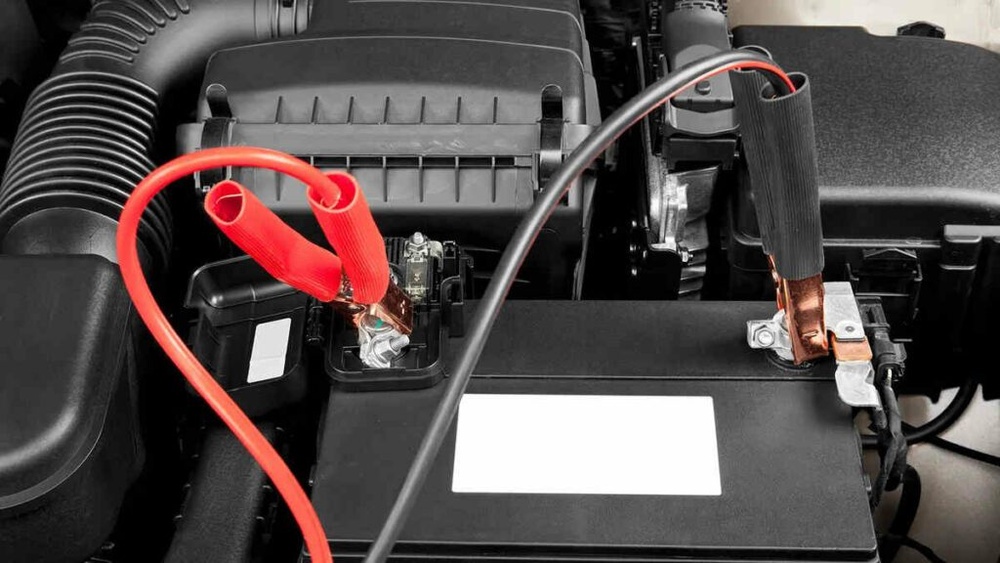
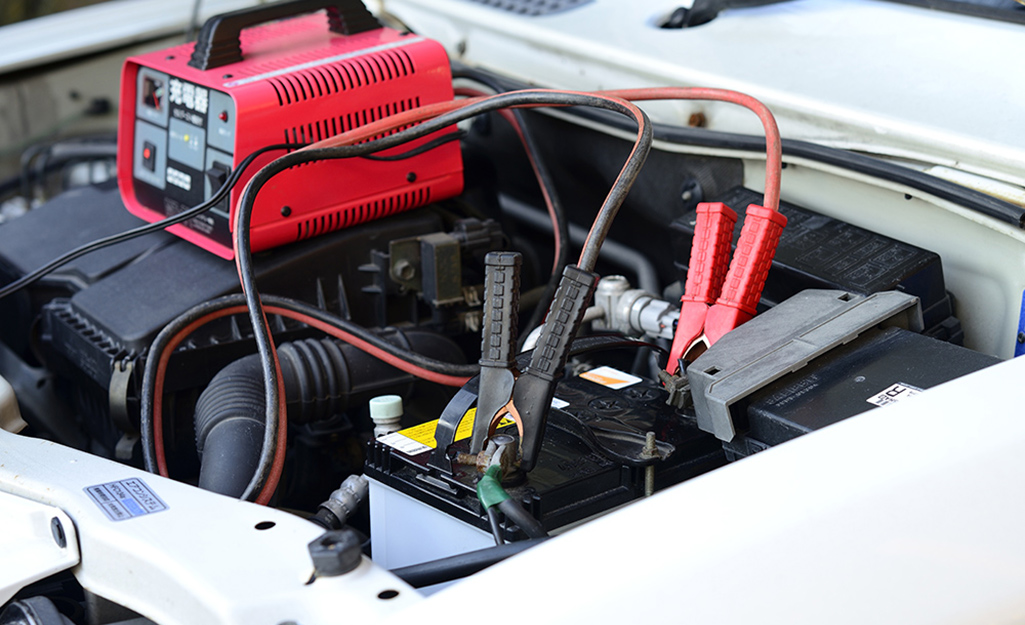
Make sure the charger is off. First, connect the red clamp to the positive terminal (+). Then, connect the black clamp to the negative terminal (-). Check the connections are firm and not loose.
3. Set The Charger
Most chargers have different settings. Choose the right one for your battery type. For normal car batteries, use the standard charging mode. Set the charger to the correct voltage, usually 12 volts.
4. Turn On The Charger
Plug the charger into the wall socket. Switch the charger on. The charger will start to send power to the battery. You might see a light or display showing the charging status.
5. Wait While The Battery Charges
Charging takes time. It can take a few hours or more. Do not rush. Let the charger work until the battery is full. Most chargers will show a green light or say “charged” when done.
6. Turn Off The Charger And Disconnect
When charging finishes, turn off the charger. Unplug it from the wall socket. Remove the black clamp (negative) first. Then remove the red clamp (positive). Be careful not to touch clamps together.
7. Close The Car Hood
Make sure everything is safe. Close the hood. Now, your car battery is ready. Try to start your car. It should start easily if the battery is charged well.
Tips to Keep Your Car Battery Healthy
- Check the battery regularly for dirt and corrosion.
- Keep the battery terminals clean and tight.
- Do not leave lights or electronics on when the car is off.
- Drive your car often to keep the battery charged.
- Have the battery tested at a garage yearly.
Signs Your Battery Needs Charging
How do you know if your battery is low? Look for these signs:
- The car engine is slow to start or does not start.
- The dashboard lights are dim or flicker.
- You hear clicking sounds when turning the key.
- Electrical parts like radio or lights work poorly.
When to Call a Professional
Sometimes, the battery cannot be charged at home. If your battery is very old, it might need replacement. If charging does not work, ask a mechanic for help. Professionals have tools to test and fix battery problems.
Credit: www.homedepot.com
Different Methods to Charge a Car Battery
1. Using A Battery Charger
This is the easiest way. It uses a special charger and electricity from your home.
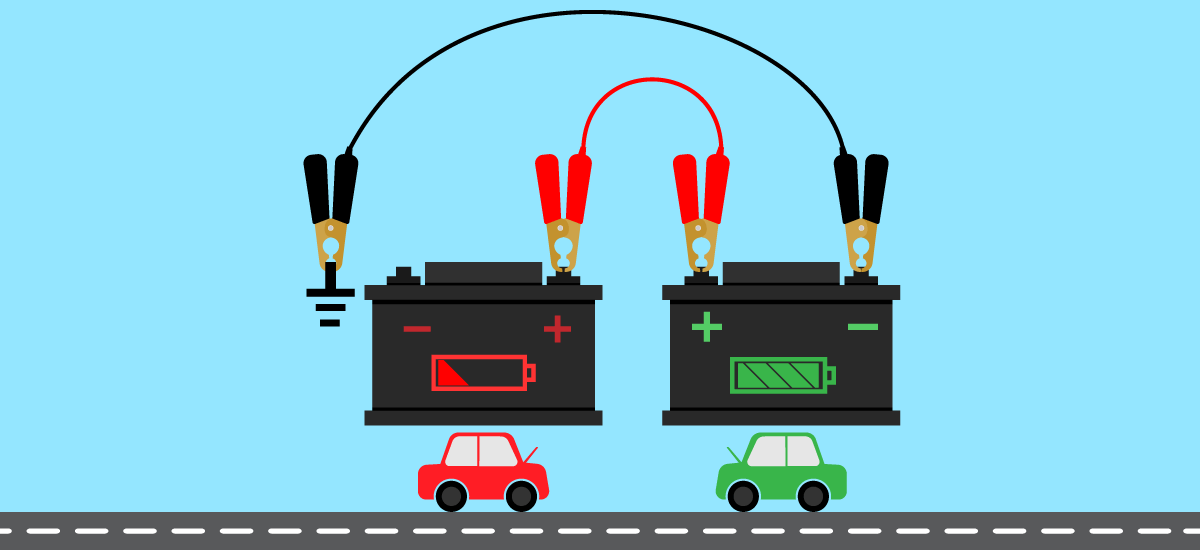
2. Using Jumper Cables And Another Car
If you do not have a charger, you can jump-start your battery. Connect jumper cables between your car and a working car. This gives your battery a quick boost. Then, drive your car to charge it fully.
3. Using A Portable Power Bank
Some power banks can charge car batteries. They are small and easy to carry. Follow the instructions for your power bank carefully.
How Long Does It Take to Charge a Car Battery?
The time depends on the battery size and charger power.
| Charger Type | Charging Time |
|---|---|
| Slow Charger (2 amps) | 10 to 24 hours |
| Medium Charger (6 amps) | 3 to 6 hours |
| Fast Charger (10 amps or more) | 1 to 3 hours |
Charging too fast can damage the battery. Follow the charger’s instructions.
What If Your Battery Is Bad?
Sometimes, charging will not fix the problem. Batteries wear out after years. If your battery does not hold charge, it may need replacement.
Visit a mechanic or auto shop to buy a new battery. Always recycle old batteries properly.
Summary
Charging a car battery is easy if you follow safety rules. You need a charger, gloves, and eye protection. Connect the charger to the battery correctly. Set the right charging mode and wait.
When done, turn off and disconnect safely. Check your battery often to avoid problems. If unsure, ask a professional for help.
Now, you know how to charge your car battery. Keep your car ready and safe!
Frequently Asked Questions
How Long Does It Take To Charge A Car Battery?
Charging time depends on the charger and battery size. It usually takes 4 to 24 hours for a full charge. Fast chargers can reduce this time significantly.
Can I Charge A Car Battery Without Removing It?
Yes, most car batteries can be charged while inside the car. Just connect the charger clips to the battery terminals carefully. Ensure the car is off during charging for safety.
What Is The Safest Way To Charge A Car Battery?
Use a charger with automatic shut-off to prevent overcharging. Connect the positive terminal first, then the negative. Charge in a well-ventilated area to avoid gas buildup.
Can A Car Battery Be Charged With Jumper Cables?
Jumper cables do not charge a battery; they only provide a temporary boost. Use a proper battery charger for full charging. Jumper cables help start the car using another vehicle.

Sudatta is a passionate automotive enthusiast and expert in the field. With a keen eye for detail and a love for all things automotive, he shares insightful articles and reviews to ignite the automotive passion in readers.