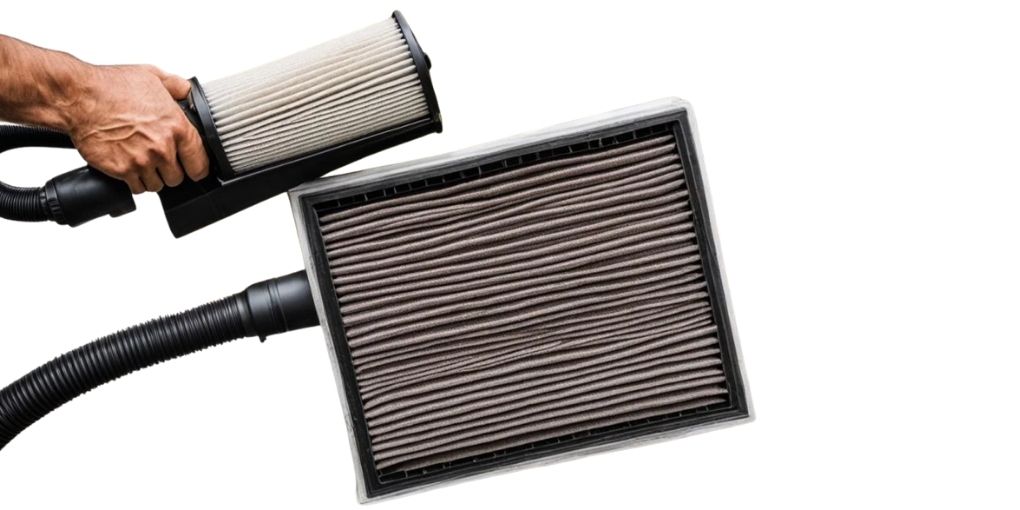
How to change an air filter easily, locate your HVAC unit or car’s air box, remove the old filter, and insert a new one. Always ensure the new air filter fits snugly and seals well.
Maintaining a clean and functional air filter is crucial for the efficient performance of your heating, ventilation, and air conditioning system or your vehicle.
A clogged or dirty filter can impede airflow, reduce energy efficiency, and even cause damage to the system or engine over time.
For homeowners and car owners alike, knowing how to replace an air filter is an essential skill. It’s a simple task that can prevent costly repairs and keep air quality high.
Ideally, you should check your filters regularly and aim to replace them approximately every 90 days for homes, or as advised in your vehicle’s owner manual. With clean filters, you can enjoy better health, lower utility bills, and an overall improved system lifespan.
Introduction To Air Filter Maintenance
Maintaining your car’s air filter is essential for performance and longevity. Like lungs for your vehicle, the air filter prevents harmful debris and dust from entering the engine.
Regular checks ensure your car breathes easily and runs smoothly. A clean air filter improves fuel efficiency, reduces emissions, and extends engine life.
Importance Of A Clean Air Filter
A dirty air filter can significantly affect your car’s performance. It can lead to increased fuel consumption and, over time, cause engine wear. A clean air filter is crucial for:
- Optimal fuel efficiency
- Reduced emissions
- Extended engine life
- Improved acceleration
Signals Your Air Filter Needs Changing
It’s important to know when your air filter needs a change. Watch for:
- Reduced horsepower
- Unusual engine sounds
- Check engine light comes on
- Black smoke or flames exiting the exhaust
- Increase in fuel consumption
If you notice any of these, check your air filter immediately to prevent further issues.
Identifying Your Vehicle’s Air Filter Type
Before you can change your car’s air filter, you need to know what type you have. Different engines require different filters. This helps your car breathe and perform better. Let’s find out what filter your vehicle uses.
Paper Filters Versus Washable Filters
Vehicles typically use one of two filter types:
- Paper Filters: These are single-use and must be replaced routinely. They trap dust and debris effectively. Most cars come with these.
- Washable Filters: These are reusable and eco-friendly. You clean and re-oil them instead of throwing them away. They last longer than paper.
Knowing which type you have is key to maintaining your car’s health.
Finding The Right Filter For Your Car
Add more rows as needed| Year | Make | Model | Engine Type |
|---|---|---|---|
| 2020 | Toyota | Corolla | 1.8L L4 |
| 2018 | Ford | F-150 | 3.5L V6 |
Check your owner’s manual or use an online tool with your car’s info to find the right filter. Your car’s year, make, model, and engine type matter. Make sure to get a match for the best performance.
Gathering The Right Tools
When it comes to changing your air filter, starting with the right tools is crucial. A smooth process depends on preparation. This section ensures you have everything needed before diving in.
Essential Tools For Changing An Air Filter
- New Air Filter: Match it with your vehicle’s make and model.
- Screwdriver or Socket Wrench: Some filters require tools to open the housing.
- Gloves: Keep your hands clean from dirt and debris.
- Owner’s Manual: Double-check for specific requirements.
Preparing Your Workspace
Get your workspace ready for a hassle-free change. Ensure ample lighting and a clean surface. Organize your tools so they’re within reach. Let’s set up for a smooth swap.
| Step | Action |
|---|---|
| 1 | Clear the area of any tools that aren’t necessary. |
| 2 | Place your tools in the order you will use them. |
| 3 | Make sure there’s good lighting. |
| 4 | Keep the owner’s manual open for quick reference. |
Locating The Air Filter In Your Vehicle
Locating the Air Filter in Your Vehicle is a crucial step in maintaining engine health. A clean air filter ensures optimal airflow to the engine. It improves fuel efficiency and engine performance.
Common Air Filter Housing Locations
Different vehicles have different spots for the air filter. Knowing these common places can guide you quickly:
- Engine compartment: Typically found in a black plastic box.
- Near the top: Close to the hood; easy to spot when opened.
- Sidebar: Either to the left or right side of the engine block.
Tips For Accessing The Air Filter Compartment
- Ensure the engine is off and cool before attempting to locate the air filter.
- Refer to the vehicle’s manual for specific location details.
- Look for a rectangular box with metal clips or screws keeping it shut.
- Use the right tools—like a screwdriver—to open the air filter housing gently.
| Step | Action |
|---|---|
| 1 | Turn off the engine. |
| 2 | Open the vehicle’s hood. |
| 3 | Locate the air filter housing. |
| 4 | Remove housing cover. |
By following these simple steps, you’ll be one step closer to a healthier engine. Keep in mind, a clean air filter is necessary for your vehicle’s longevity.
Removing The Old Air Filter
Changing your air filter is a critical maintenance task for any vehicle owner. The air filter ensures that your engine breathes clean air, which is vital for its performance and longevity.
Over time, filters can become clogged with dirt and debris, necessitating their replacement. Removing the old air filter is the first step in this simple process. Follow this guide to safely and effectively remove your vehicle’s air filter.
Steps To Safely Remove The Air Filter
- Turn off your vehicle and open the hood.
- Locate the air filter housing. It’s usually a black plastic box.
- Release the clips or unscrew the bolts that secure the housing.
- Gently lift the cover and take a peek inside.
- Pull the old air filter out of the housing.
- Wipe any debris away from the housing with a clean cloth.
Inspecting The Old Filter
Once you have the old filter out, inspect it for dirt and damage. A gray and dusty filter is normal, but black spots or tears indicate it’s time for a replacement. Hold the filter up to a light source.
If you can’t see light coming through, the filter is too dirty and must be changed. Make a note of the filter’s condition for your vehicle’s maintenance records.

Credit: www.epmechtech.com
Installing The New Air Filter
Now that the old air filter is out, let the fresh air in with a new one. Installing a new air filter is straightforward. Follow these steps to ensure your car breathes easily again.
Aligning The New Filter Properly
Precision is key when setting the new air filter in place. It must fit perfectly. Here’s how:
- Check the new filter shape against the old one.
- Notice the edges; each side should match the housing.
- Slide the filter into the housing, matching the grooves.
Ensure no gaps exist around the filter’s perimeter. A tight fit prevents unfiltered air from entering the engine.
Sealing The Air Filter Housing
With the new filter aligned, a secure seal is crucial. Let’s seal the deal:
- Close the air filter housing lid gently.
- Check for housing clips or snaps.
- Press down till you hear a click.
A successful seal means your engine’s protected against debris. This guarantees top engine performance.
Proper Disposal Of The Used Air Filter
The health of our environment depends on how we handle waste. A key task when maintaining your vehicle or home is the proper disposal of used air filters.
Throwing them away incorrectly can harm nature. In this section, we’ll walk through responsible steps to ensure that used air filters don’t become an environmental burden.
Environmental Considerations
Used air filters are full of dust and pollutants. They must go to the right place to avoid soil and water contamination. You should never toss them in the garbage. Instead, follow local guidelines for waste that could affect the environment.
- Contact your local waste management facility for guidelines.
- Seal the filter in a bag to reduce dust escaping.
- Never incinerate used air filters as they can release toxic fumes.
Recycling Old Air Filters
Recycling is the best action for disposing of an old air filter. Some parts of the filter, like the metal and paper, can usually be recycled. Follow these steps:
- Check the air filter for recycling symbols.
- Separate recyclable parts according to the symbol.
- Locate a recycling center that accepts these items.
| Part of Air Filter | Is it Recyclable? |
|---|---|
| Paper/Media | Often recyclable |
| Metal Parts | Usually recyclable |
| Plastic Components | Sometimes recyclable |
Final Checks And Maintenance Tips
Successfully changing your air filter is a great stride towards better vehicle health. Now that the new filter is in place, a few final checks can prolong its life and ensure peak performance. Follow these steps to close the task correctly.
Ensuring Everything Is Back In Place
Confirm the air filter housing latch is secure. It should make a clear click. Inspect the seal of the housing. It must sit neatly with no gaps. Look for any tools you may have left in the engine bay. Tools left behind can harm your car.
Check for any disconnected sensors. If you unplugged something, now is the time to reconnect it. Start the engine briefly. Listen for any unusual noises. This can indicate a problem. If all sounds normal, you’ve done a good job.
Scheduling Next Filter Change
Regular maintenance keeps your car running smoothly. Note the date and mileage of the filter change. Place a small stickerinside the engine bay with this information.
Refer to your car’s manual for the recommended replacement interval. It varies by make and model. As a rule of thumb, aim for every 12,000 to 15,000 miles.
Set a reminder on your phone or calendar. This helps you remember when it’s time for a new filter. Keeping these points in mind will ensure your car breathes fresh air and runs optimally.
| Previous Change | Next Change (Miles) | Next Change (Date) |
|---|---|---|
| Current Mileage | +15,000 | Approx. Date in 1 year |
Troubleshooting Common Issues
Encountering issues while changing your air filter can be frustrating. This section dives into common problems and offers solutions to get your car running smoothly again. Quick troubleshooting tips ensure you conquer air filter challenges with confidence.
Dealing With a Stubborn Air Filter Housing
Dealing With A Stubborn Air Filter Housing
A tight air filter housing can be tricky. Sometimes, latches stick or clips don’t budge. No need to struggle. Ease into this task and protect your car parts.
- Inspect for dirt or debris that might block the housing.
- Use moderate pressure to open the housing. Avoid forcing it.
- Still stuck? Check for hidden fasteners; they may need releasing.
- If it remains immovable, lubricate the clips lightly with WD-40.
- When all else fails, consult your vehicle manual or seek professional help.
What to Do If the Car Performs Poorly After Change
What To Do If The Car Performs Poorly After Change
Changed the air filter but your car feels off? Performance shouldn’t dip after a fresh change. Let’s pinpoint and resolve the issue.
- Verify the filter type and size – an incorrect fit can cause trouble.
- Ensure the filter is seated properly in the housing.
- Check for any disconnected sensors or hoses during the change.
- Look at the seal of the air filter housing for any gaps.
- If unsure, retrace your steps or consult a service professional.
A clean, well-fitted air filter means better engine performance and efficiency. Keep these pointers in mind to avoid any hitches.
Credit: cdphe.colorado.gov
Enhancing Vehicle Performance Through Air Filter Care
Proper air filter maintenance is a key to keeping your car running smoothly. It can boost your vehicle’s power and efficiency. Dirty filters slow down air flow.
They make engines work harder. A well-cared-for filter means a healthier vehicle. Let’s explore how a clean filter impacts engine health and cuts down emissions and fuel use.
The Impact Of A Clean Filter On Engine Health
A clean air filter is a breath of fresh air for your engine. It allows clean air to flow freely. This helps maintain optimal combustion.
A filter free of dirt and debris prevents harmful particles from entering. It protects engine components from wear and tear. Regular filter changes keep your engine healthier for longer.
- Better air flow: Keeps the engine running smoothly.
- Less wear: Cuts the risk of costly repairs.
- Peak performance: Ensures engine runs at full efficiency.
Reducing Emissions And Fuel Consumption
Air filters also play a role in reducing emissions. A clogged filter leads to an imbalance in the air-fuel mix. This makes the engine produce more pollutants.
A clean filter helps maintain the right mix. It reduces harmful emissions. It also betters fuel economy by ensuring efficient combustion.
| Benefit | Description |
|---|---|
| Lower Emissions | Improves air quality by cutting exhaust pollutants. |
| Improved Fuel Efficiency | Less fuel wasted, saves money on gas over time. |
Frequently Asked Questions Of How To Change Air Filter
Can I Change My Air Filter Myself?
Yes, you can change your air filter yourself. Ensure you have the correct replacement, turn off your HVAC system, remove the old filter, and insert the new one properly. Regular changes improve air quality and system efficiency.
How Do I Change My Ac Air Filter?
Turn off your AC. Locate the air filter slot and remove the old filter. Align the new filter’s arrows with the airflow direction. Slide the new filter into place. Reinstall the cover and turn on the AC.
How Often Should Air Filter Be Changed?
Air filters should be changed every 12,000 to 15,000 miles, or as recommended by your vehicle’s manufacturer. Regular changes maintain air quality and engine performance.
Does Air Have To Be Off To Change Filter?
Yes, turn off your HVAC system before changing the air filter to ensure safety and prevent unfiltered air from circulating.
Conclusion
Changing your air filter doesn’t need to be daunting. With the right tools and a bit of patience, you can breathe easier and improve your indoor air quality.
Remember, a clean filter is key to a healthy, efficient home. Stay on top of it, and your lungs—and wallet—will thank you.

Sudatta is a passionate automotive enthusiast and expert in the field. With a keen eye for detail and a love for all things automotive, he shares insightful articles and reviews to ignite the automotive passion in readers.