

Have you ever wondered what volt means when talking about a car battery? Maybe you heard someone say, “My car battery is 12 volts.”
But what does that really mean? This article will explain the meaning of volt and why it matters for car batteries.
What is a Volt?
Volt is a unit to measure electrical force. It tells us how strong the electricity is. Imagine water flowing in a pipe. Volt is like the pressure that pushes water forward. The higher the volt, the stronger the push.
Electricity flows in a circuit, like water flows through pipes. The volt pushes the electric current through wires and parts. Without volt, electricity can’t move or work.
How Does Volt Relate to a Car Battery?
A car battery stores electrical energy. It uses chemical reactions inside to create electricity. The battery then sends this electricity to the car’s engine and lights.
When people say a car battery is 12 volts, they mean the battery creates 12 units of electrical force. This force is enough to start the engine and power the car’s electronics.
Why 12 Volts for Most Car Batteries?
Most cars use a 12-volt battery. This number is common because it fits well with the car’s electrical system. It gives enough power without being too big or heavy.
The 12 volts come from six small cells inside the battery. Each cell produces about 2 volts. When added together, these six cells give 12 volts.
| Number of Cells | Voltage per Cell (Volts) | Total Voltage (Volts) |
|---|---|---|
| 6 | 2 | 12 |
How Does Voltage Affect Car Performance?
Voltage is important for starting your car. The battery needs to send enough electricity to the starter motor. If the voltage is too low, the engine may not start.
Also, the battery powers lights, radio, and other parts. If the voltage is low, these parts may work weakly or stop.
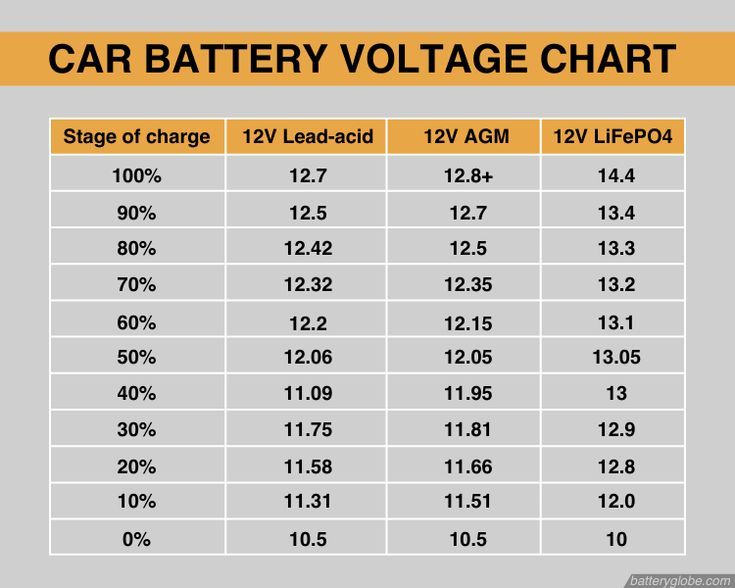
Good voltage means the battery is healthy. Low voltage can mean the battery is old or needs charging.
What Happens if the Voltage is Too Low or Too High?
- Too Low Voltage: The car may not start or lights may be dim.
- Too High Voltage: This can damage electrical parts in the car.
Most car systems are made to work with about 12 volts. Too much or too little can cause problems.
How to Check a Car Battery’s Voltage?
You can check voltage with a tool called a multimeter. It shows the battery’s voltage on a small screen.
Here is a simple way to check:
- Turn off the car engine.
- Set the multimeter to measure volts (DC).
- Connect the red probe to the battery’s positive (+) terminal.
- Connect the black probe to the negative (-) terminal.
- Read the number on the screen.
A healthy battery should show around 12.6 volts when the engine is off.
What Voltage Does a Car Battery Have When the Engine Runs?
When the engine runs, the battery voltage should be higher. The car’s alternator charges the battery. It usually raises voltage to about 13.7 to 14.7 volts.
This higher voltage keeps the battery full and powers the car’s electrical parts.
Different Batteries for Different Vehicles
Not all vehicles use 12-volt batteries. Some motorcycles, small cars, or electric vehicles use other voltages.
Here are some common battery voltages:
| Vehicle Type | Battery Voltage |
|---|---|
| Small motorcycles and scooters | 6 volts or 12 volts |
| Most cars and trucks | 12 volts |
| Large trucks or buses | 24 volts |
| Electric vehicles | Hundreds of volts (varies) |

Credit: www.lokithorshop.com
Why Use 12 Volts Instead of Something Else?
Car makers choose 12 volts for many reasons. It is safe, strong, and easy to use. The parts made for cars work well with 12 volts.
Higher voltages need more safety rules. Lower voltages may not give enough power.
Credit: www.sinexcel-re.com
How Long Does a Car Battery Last?
Voltage helps show battery health. A new battery holds full voltage well. Old batteries lose voltage and power.
Most car batteries last 3 to 5 years. Hot weather and frequent short trips can reduce life.
Checking voltage often helps you know when to replace the battery.
Signs Your Car Battery Voltage is Low
- Car struggles to start or does not start.
- Headlights and dashboard lights are dim.
- Electrical accessories work poorly.
- Battery warning light on the dashboard.
How to Keep Your Car Battery Voltage Healthy?
- Drive your car regularly to recharge the battery.
- Turn off lights and devices when car is off.
- Have the battery checked during car service.
- Replace old or weak batteries on time.
Frequently Asked Questions
What Is The Standard Voltage Of A Car Battery?
Most car batteries have a standard voltage of 12 volts. This voltage powers the vehicle’s electrical systems and starts the engine.
Why Do Car Batteries Use 12 Volts?
Car batteries use 12 volts to provide enough power for starting and running the car. This voltage balances power and safety.
How Does Voltage Affect Car Battery Performance?
Higher voltage means better starting power and efficiency. Low voltage can cause engine problems or electrical failures.
Can A Car Battery Have More Than 12 Volts?
Some special vehicles use batteries with higher voltages, like 24 volts. Normal cars almost always use 12-volt batteries.
Conclusion
Volt is a way to measure electric power. A car battery with 12 volts is standard. It gives the energy needed to start and run the car.
Good voltage means a healthy battery. Low voltage can cause car problems. Checking battery voltage helps keep your car running well.
Next time you hear “12 volts,” you will know it means the battery’s electric force. This force helps your car start and work every day.

Sudatta is a passionate automotive enthusiast and expert in the field. With a keen eye for detail and a love for all things automotive, he shares insightful articles and reviews to ignite the automotive passion in readers.