Have you ever wondered what acid is inside a car battery? Many people do not know the answer. In this article, we will explain the type of acid used in car batteries.
We will also talk about why this acid is important and how it works. By the end, you will understand more about car batteries and their acid.
What is a Car Battery?
A car battery is a device that stores energy. It helps start the car engine. The battery also powers the lights and other parts of the car.
Without a battery, the car would not work. The battery uses a chemical reaction to make electricity.
Inside the battery, there are many parts. One important part is the acid. This acid helps the battery make electricity. But what type of acid is it?
The Acid in Car Batteries: Sulfuric Acid
The acid in most car batteries is called sulfuric acid. It is a strong acid that looks like a clear liquid. It is very important for the battery to work. The acid is mixed with water inside the battery. This mixture is called electrolyte.
Sulfuric acid has the chemical formula H2SO4. It is made of hydrogen, sulfur, and oxygen. This acid is very powerful and can burn your skin. So, you must be careful when handling it.
Why Sulfuric Acid?
Why do car batteries use sulfuric acid? This acid helps make a chemical reaction. When the car battery works, the acid reacts with lead plates inside it. This reaction creates electricity. The electricity then powers the car.
- Sulfuric acid helps carry electric charge.
- It reacts with lead and lead oxide plates.
- This reaction creates energy for the car.
Without sulfuric acid, the battery would not work. It is the key to producing power inside the battery.
How Does the Acid Work Inside the Battery?
Inside the battery, there are lead plates. Some plates are made of pure lead. Others are made of lead oxide. These plates sit in the sulfuric acid and water mixture.
When the battery is full, a chemical reaction happens. The sulfuric acid reacts with the plates. This reaction produces electricity. When you start the car, the battery sends this electricity to the engine.
As the battery works, the acid changes. It becomes weaker as the battery loses power. When you charge the battery, the acid becomes strong again. This is why the acid level and strength are important.

Credit: en.wikipedia.org
What Happens If the Acid Level is Low?
If the acid level goes down, the battery will not work well. The plates inside may dry out or get damaged. This can make the battery weak or stop it from working.
Car batteries need the right amount of acid and water. If the acid is too strong or too weak, the battery can get damaged. That is why many car batteries need maintenance. People add water or check acid levels sometimes.
Safety Tips When Handling Battery Acid
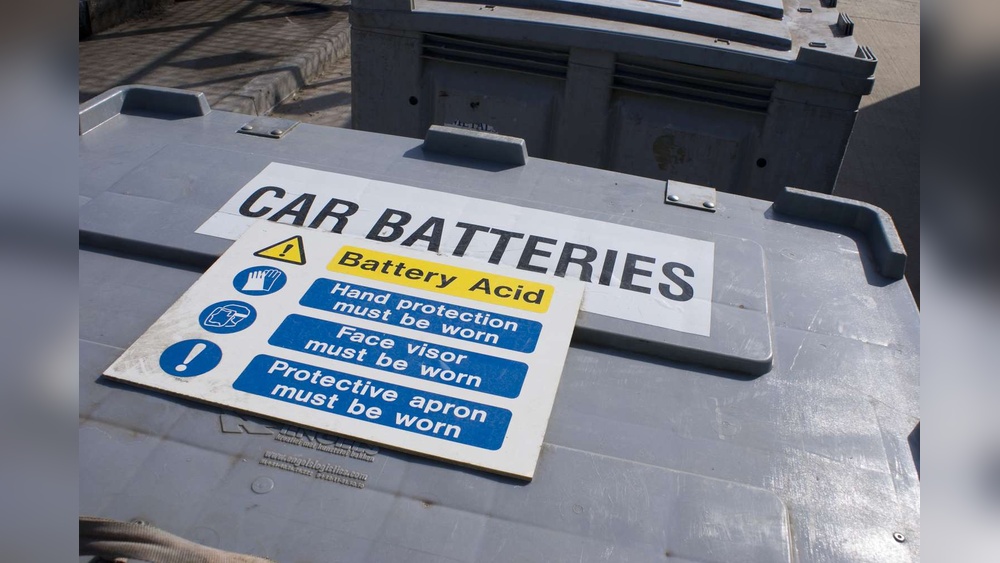
Sulfuric acid is dangerous. It can burn skin and damage clothes. Here are some safety tips when dealing with car battery acid:
- Always wear gloves and eye protection.
- Do not touch the acid with bare hands.
- If acid spills on skin, wash it with water immediately.
- Keep acid away from children and pets.
- Do not breathe in fumes from the battery.
Always be careful when handling car batteries or acid.
What Is Inside a Car Battery Besides Acid?
Besides sulfuric acid, a car battery contains other parts:
| Part | Description |
|---|---|
| Lead Plates | These plates react with the acid to make electricity. |
| Electrolyte | A mix of sulfuric acid and water inside the battery. |
| Battery Case | A strong box that holds all parts safely. |
| Terminals | Where you connect the battery to the car. |
All these parts work together to make the battery run.
Why Is Battery Acid Important?
Battery acid is very important because:
- It helps create electricity.
- It reacts with lead plates inside the battery.
- It allows the battery to store and release power.
Without sulfuric acid, the battery cannot work. It is the heart of the battery’s power.
Can You Use Other Acids in Car Batteries?
No, you cannot use other acids in car batteries. Sulfuric acid is special. It works well with lead plates. Other acids may damage the battery or not create power.
Using the wrong acid can cause the battery to break. It can also be dangerous. Always use the right type of acid for your battery.

Credit: www.youtube.com
How to Check Battery Acid Level?
You can check the acid level in some car batteries. These are called serviceable batteries. You open small caps on the top. Then, look inside to see the acid level.
If the acid is low, you can add distilled water. Do not add acid unless you know what you are doing.
Many modern batteries are sealed. You cannot check or add acid. These are called maintenance-free batteries.
Summary
Now you know that the acid in car batteries is sulfuric acid. This acid helps the battery make electricity. It reacts with lead plates inside the battery. The mixture of sulfuric acid and water is called electrolyte.
Battery acid is strong and dangerous. You must be careful when handling it. The acid level needs to be right for the battery to work well.
Without sulfuric acid, car batteries cannot power the engine or lights. It is a key part of the battery’s function.
Remember, never use other acids in car batteries. Always handle battery acid safely. And if you have a sealed battery, do not try to open it.
Understanding the acid in car batteries helps you take care of your car better. It also helps you stay safe when working with batteries.
Frequently Asked Questions
What Acid Is Commonly Used In Car Batteries?
Car batteries use sulfuric acid. It helps produce electrical energy inside the battery.
Why Is Sulfuric Acid Important In Car Batteries?
Sulfuric acid reacts with lead plates to create electrical power. This reaction charges the battery.
Can You Touch Sulfuric Acid In Car Batteries Safely?
No, sulfuric acid is highly corrosive and can cause burns. Always wear protective gear when handling.
How Does Sulfuric Acid Affect Battery Life?
The acid concentration influences battery performance and longevity. Proper levels help keep the battery working well.

Sudatta is a passionate automotive enthusiast and expert in the field. With a keen eye for detail and a love for all things automotive, he shares insightful articles and reviews to ignite the automotive passion in readers.