
Car batteries are very important. They help start your car every day. Without a good battery, your car will not work.
But how do you know if your battery is still good? Or if it needs to be changed? This article will show you how to check your car battery life in simple steps.
Why Check Your Car Battery Life?
Checking your battery saves you from trouble. If your battery is weak, your car might not start. You could get stuck somewhere.
Also, a bad battery can damage your car’s electrical system. So, it is good to know how your battery is doing.
Signs That Your Car Battery May Be Weak
- The engine takes longer to start.
- Lights inside the car are dim or flicker.
- You hear a clicking sound when trying to start.
- The battery is old, usually over three years.
- Corrosion or white powder on battery terminals.
What You Need to Check Battery Life
You do not need many tools. Here are some things that help:
- A multimeter or voltmeter
- Gloves and safety glasses
- A wrench to open battery terminals
- Battery tester (optional)
Step 1: Safety First
Always be safe when checking your battery. Wear gloves and glasses. Make sure the car is off.
The keys should be out of the ignition. Avoid touching battery acid or terminals with bare hands.
Step 2: Check Battery Age
Look on the battery for the date. It is usually a sticker or printed on the battery case. Most car batteries last 3 to 5 years. If your battery is older, it might be time to replace it.
Step 3: Inspect Battery Condition
Look closely at the battery terminals. Are they clean? If you see white or blue powder, this is corrosion.
Corrosion can stop the battery from working well. Clean it with a mix of baking soda and water. Use a brush to scrub gently.
Step 4: Test Battery Voltage
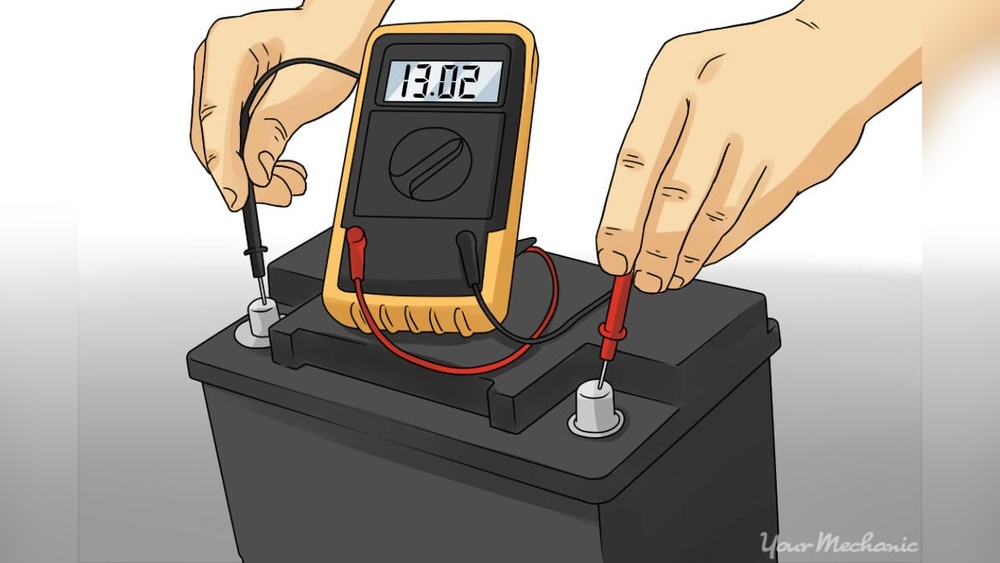
This is the most important test. Use a multimeter to check voltage. Follow these steps:
- Set your multimeter to DC voltage.
- Touch the red probe to the positive (+) terminal.
- Touch the black probe to the negative (-) terminal.
- Read the number on the screen.
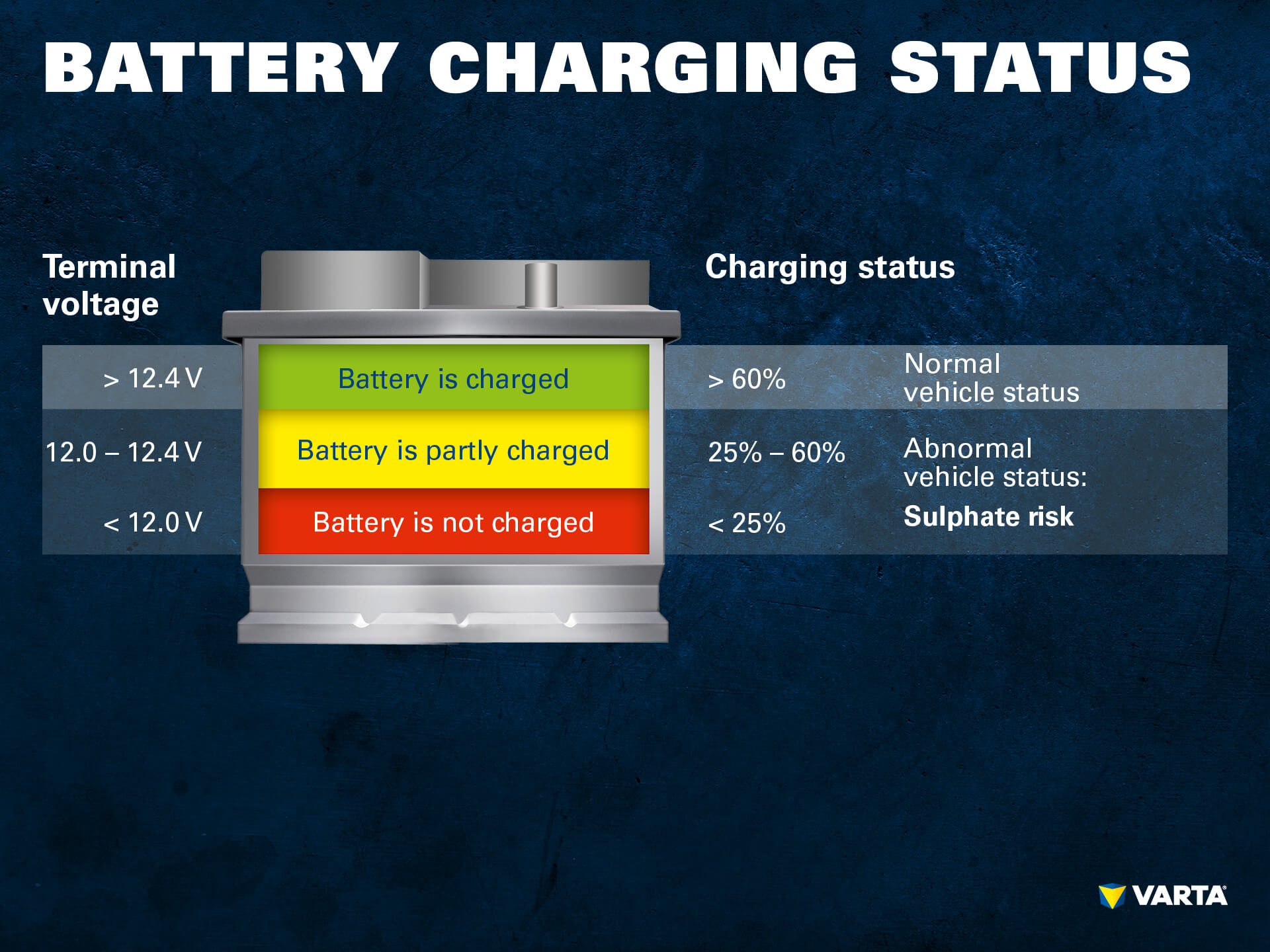
If your battery voltage is 12.6 volts or more, it is fully charged. Between 12.4 and 12.6 volts means the battery is okay but not full. Below 12.4 volts shows the battery is weak. Less than 12 volts means the battery is bad and needs replacement.
Step 5: Perform a Load Test
A load test checks how the battery works under pressure. You can do this with a battery tester or at a car shop. If you want to try at home, here is a simple way:
- Turn on your car’s headlights for 5 minutes.
- Check the battery voltage again with the multimeter.
If the voltage drops below 12 volts, the battery may be weak. A good battery holds the voltage better, even with the headlights on.
Step 6: Check the Alternator
The alternator charges your battery while the car runs. Sometimes, the battery is fine but the alternator fails. To check:
- Start the car and keep it running.
- Use the multimeter to check voltage at the battery terminals.
Voltage should be between 13.7 and 14.7 volts. If it is lower, the alternator might not charge the battery properly.
Step 7: Look for Physical Damage
Check the battery case for cracks or bulges. Any damage means the battery is unsafe. Replace it immediately. Also, check for leaks. Battery acid is dangerous and can harm your car and skin.

Credit: www.autonationmobileservice.com
Step 8: Listen for Strange Sounds
When starting the car, listen carefully. Clicking sounds can mean low battery power. If the engine starts slowly or not at all, the battery might be dead.
Tips to Make Your Battery Last Longer
- Turn off lights and accessories when the car is off.
- Drive your car regularly to keep the battery charged.
- Keep battery terminals clean and tight.
- Avoid short trips; they do not fully charge the battery.
- Have your battery checked by a professional every year.
Summary Table: Battery Voltage and Condition
| Voltage (Volts) | Battery Condition |
|---|---|
| 12.6 or higher | Fully charged, good condition |
| 12.4 – 12.6 | Moderate charge, okay condition |
| 12.0 – 12.4 | Weak battery, needs attention |
| Below 12.0 | Bad battery, replace soon |
When to Replace Your Car Battery?
Replace your battery if:
- It is more than 5 years old.
- The voltage is below 12 volts after charging.
- It has physical damage or leaks.
- The car has trouble starting often.
- The battery cannot hold a charge during load tests.
Credit: www.varta-automotive.com
Final Thoughts
Checking your car battery life is simple. You do not need to be a mechanic. Just follow these easy steps. Keep your battery clean and charged. Test voltage regularly. This will save you time and money. And keep your car running smoothly.
Remember, a healthy battery means a happy car. Stay safe and check your battery today.
Frequently Asked Questions
How Can I Test My Car Battery Life At Home?
Use a multimeter to check voltage. Healthy batteries show about 12. 6 volts or more. Lower voltage means the battery may need charging or replacement.
What Signs Show My Car Battery Is Dying?
Slow engine crank, dim lights, or warning lights on dashboard. These signs mean your battery is weak and may fail soon.
How Long Does A Typical Car Battery Last?
Most car batteries last between 3 to 5 years. Extreme weather and driving habits can shorten this time.
Can Cold Weather Affect Car Battery Life?
Yes, cold weather slows chemical reactions inside the battery. This reduces battery power and can make starting your car harder.

Sudatta is a passionate automotive enthusiast and expert in the field. With a keen eye for detail and a love for all things automotive, he shares insightful articles and reviews to ignite the automotive passion in readers.