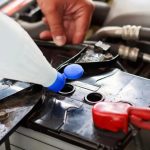
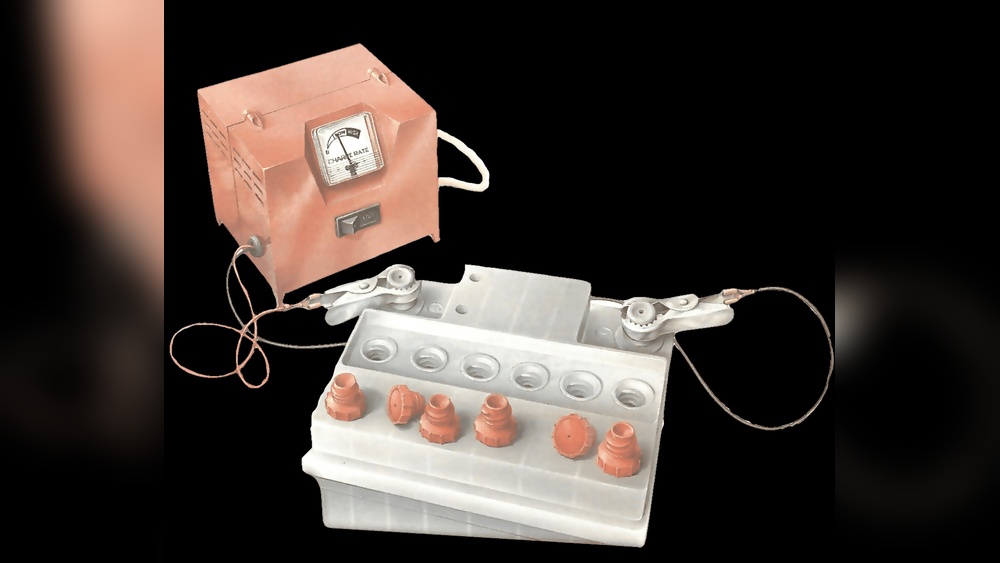
Car batteries are very important. They help your car start and run. But sometimes, the battery can run out of power. When this happens, you need to charge it. Charging a car battery is not hard.
You can do it at home with the right tools and safety steps. This guide will help you learn how to charge your car battery safely and easily.
What You Need to Charge a Car Battery
Before you start, you need some tools. Here is a list of what you need:
- Car battery charger: This is a device that charges the battery.
- Protective gloves: To keep your hands safe.
- Safety glasses: To protect your eyes from sparks.
- Clean cloth: To clean battery terminals if needed.
- Water and baking soda (optional): To clean battery corrosion.
Safety First
Car batteries can be dangerous. They have acid inside and can make sparks. Always follow these safety tips:
- Work in a well-ventilated place, not inside a closed room.
- Wear gloves and safety glasses to protect yourself.
- Do not smoke or use open flames near the battery.
- Make sure the charger is unplugged before connecting to the battery.
- Check the battery for cracks or leaks. Do not charge if damaged.
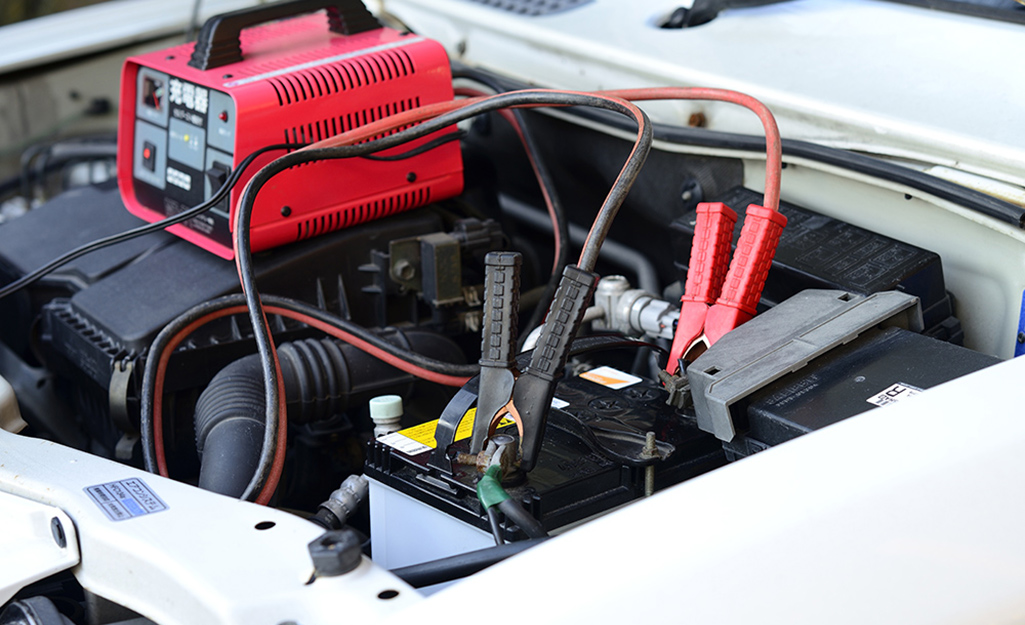
Credit: www.homedepot.com
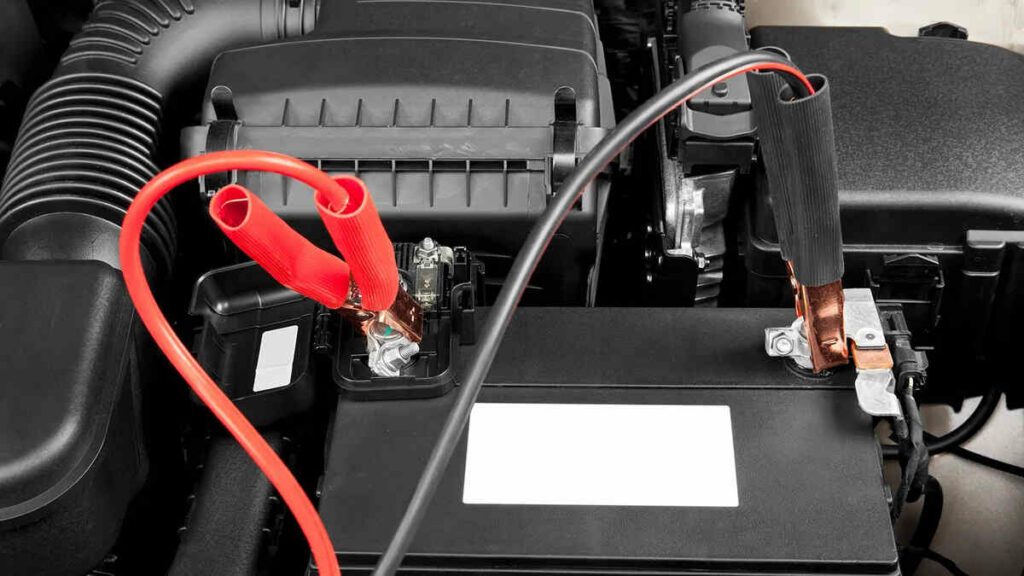
Credit: heartautocare.com
Step-by-Step Guide to Charging Your Car Battery
Follow these steps carefully to charge your car battery:
Step 1: Turn Off The Car
Make sure your car is off before you start. Remove the keys from the ignition. This helps avoid any sparks or electrical problems.
Step 2: Open The Car Hood
Find the hood release inside your car. Pull it to open the hood. Secure the hood with the rod if your car has one.
Step 3: Locate The Battery
Look for the car battery under the hood. It is usually a rectangular box with two cables connected to it. One cable is red and the other is black.
Step 4: Check The Battery Terminals
Look at the battery terminals. They should be clean and free of corrosion. Corrosion looks like white or green powder. If there is corrosion, clean it carefully.
How to Clean Corrosion
- Mix water and baking soda to make a paste.
- Use a small brush or cloth to apply the paste to the terminals.
- Scrub gently until the corrosion is gone.
- Wipe the terminals dry with a clean cloth.
Step 5: Prepare The Battery Charger
Read the instructions that come with your battery charger. Different chargers may work in different ways. Set the charger to the correct voltage. Most car batteries are 12 volts.
Step 6: Connect The Charger To The Battery
Follow these connection rules carefully:
| Step | What to Do |
|---|---|
| 1 | Connect the red (positive) clamp to the battery’s positive terminal (+). |
| 2 | Connect the black (negative) clamp to the battery’s negative terminal (−). |
| 3 | If your charger’s instructions say so, connect the black clamp to a metal part of the car body instead of the battery terminal. This helps avoid sparks. |
Step 7: Plug In The Charger
After connecting the clamps, plug the charger into a power outlet. Make sure the charger is turned off before plugging in.
Step 8: Turn On The Charger
Switch the charger on. Some chargers have different modes. Choose a slow charge for better battery health. Fast charging can damage the battery.
Step 9: Wait For The Battery To Charge
Charging can take a few hours. Check the charger’s display or indicators to see when the battery is full. Do not rush this step.
Step 10: Turn Off And Unplug The Charger
Once the battery is fully charged, turn off the charger. Unplug it from the power outlet.
Step 11: Remove The Charger Clamps
Remove the clamps in reverse order of connecting:
- First, remove the black (negative) clamp.
- Then, remove the red (positive) clamp.
Step 12: Close The Car Hood
Make sure everything is safe and secure. Close the hood of your car.
Tips for Car Battery Care
Charging your battery is not the only thing you can do. Take care of your battery to keep it healthy. Here are some tips:
- Drive your car regularly to keep the battery charged.
- Turn off all lights and accessories when the engine is off.
- Check your battery terminals for corrosion every few months.
- Keep the battery clean and dry.
- Have your battery tested at a mechanic if it often loses charge.
When to Replace Your Car Battery
Sometimes charging is not enough. Batteries wear out after a few years. Here are signs you may need a new battery:
- The car is slow to start or does not start at all.
- The battery is old (usually more than 3-5 years).
- You see cracks or leaks on the battery case.
- The battery keeps losing charge quickly.
If you see these signs, visit a mechanic to check your battery. A new battery will help your car run better.
Frequently Asked Questions
How Do I Safely Connect A Car Battery Charger?
Always connect the positive clamp to the positive battery terminal first. Then connect the negative clamp to a metal part of the car away from the battery. This reduces sparks and keeps you safe.
How Long Should I Charge A Car Battery?
Charging time depends on battery size and charger type. Usually, 4 to 24 hours is enough for a full charge. Check your charger’s instructions for exact timing.
Can I Charge A Car Battery Without Removing It?
Yes, you can charge the battery while it is in the car. Just make sure the car is off and the charger clamps are secure. This method is common and safe.
What Happens If I Overcharge My Car Battery?
Overcharging can cause battery damage and reduce its life. It may also cause overheating or leaking. Use a charger with an automatic shut-off to avoid this.
Conclusion
Charging a car battery is easy if you follow the right steps. Always remember safety first. Use the right tools and clean the battery terminals. Connect the charger correctly. Wait for the battery to charge fully. Taking care of your battery helps your car start every time. If your battery is old or damaged, replace it. With these tips, your car battery will last longer and work well.

Sudatta is a passionate automotive enthusiast and expert in the field. With a keen eye for detail and a love for all things automotive, he shares insightful articles and reviews to ignite the automotive passion in readers.