
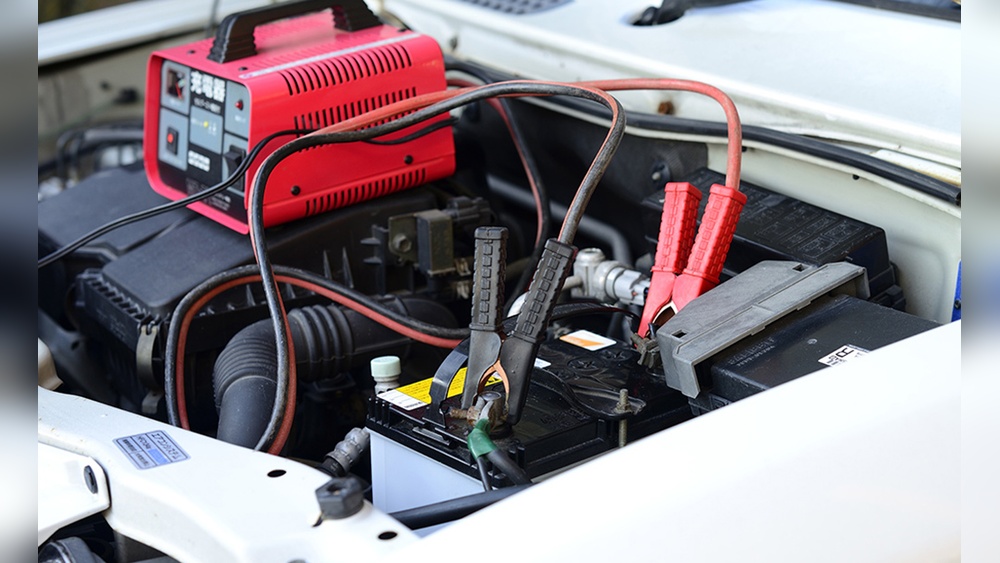
Car batteries are important. Without them, cars cannot start or run. Sometimes, a car battery loses power and needs charging. Learning how to use a car battery charger is helpful.
It can save time and money. This guide will explain the steps to charge a car battery safely and correctly.
What Is a Car Battery Charger?
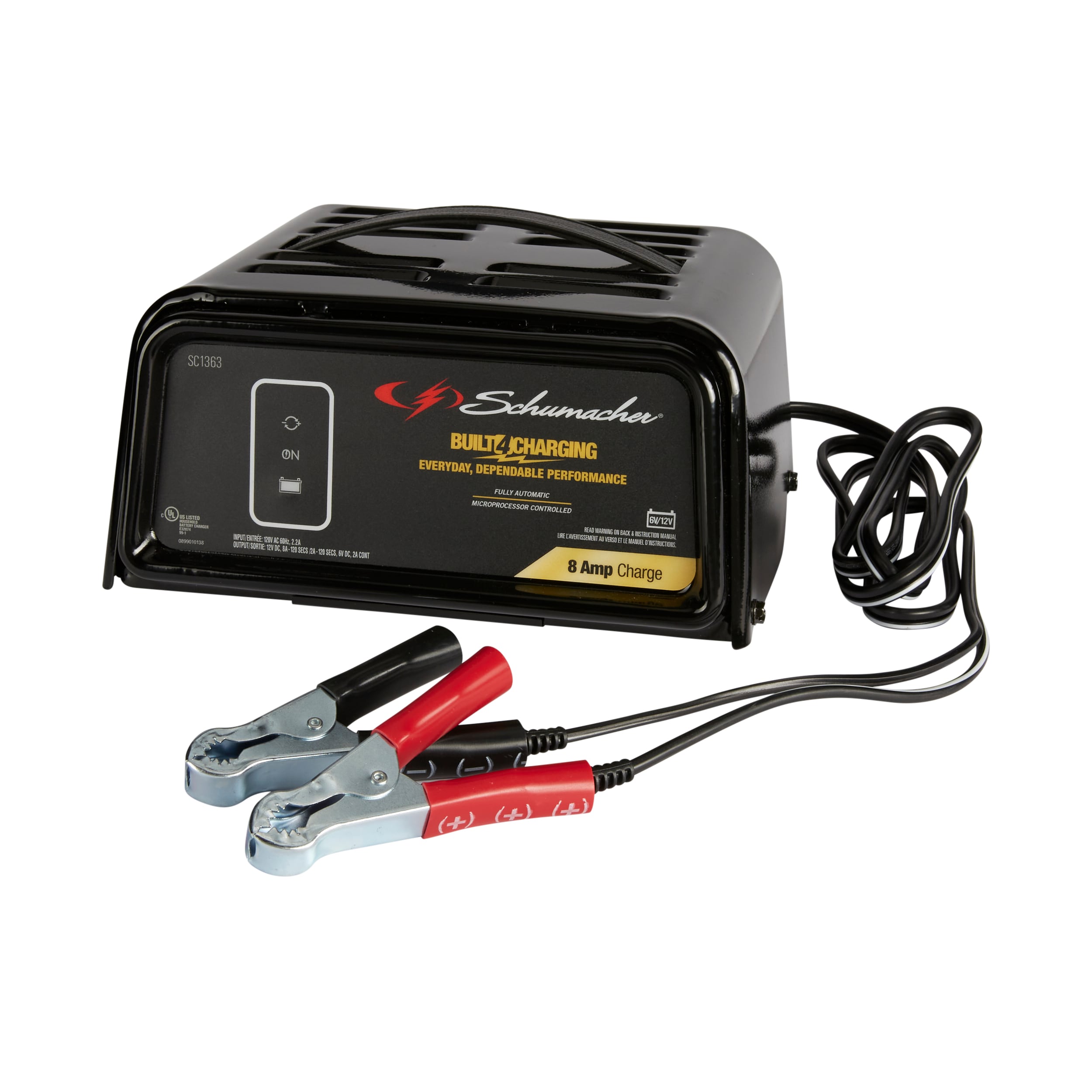
A car battery charger is a device. It gives power to the battery. This power helps the battery work again.
Chargers come in different types. Some are small and simple. Others are bigger with more features. Most chargers use electricity from a wall socket.
Why Charge a Car Battery?
Car batteries lose power for many reasons:
- Leaving lights on in the car
- Cold weather
- Old battery age
- Not driving the car for a long time
When the battery is low, the car may not start. Charging the battery can fix this problem.
Tools and Safety
Before starting, you need some tools:
- Car battery charger
- Protective gloves
- Safety glasses
- Wrench (if needed to remove battery)
Safety is very important. Batteries have acid inside. It can hurt your skin or eyes. Always wear gloves and glasses. Work in a place with fresh air. Keep flames or sparks away from the battery.
Steps to Charge a Car Battery
Follow these simple steps to charge your battery:
Step 1: Turn Off Your Car
Make sure the car is off. Remove the keys from the ignition. This stops any power flow and protects you.
Step 2: Locate The Battery
Open the car hood. Find the battery. It looks like a box with two wires attached. The wires connect to two metal parts called terminals.
Step 3: Identify The Terminals
There are two terminals:
- Positive terminal (+) – usually red or marked with a plus sign
- Negative terminal (-) – usually black or marked with a minus sign
Knowing the terminals is important to connect the charger correctly.
Step 4: Connect The Charger
First, plug in the charger to the wall outlet but keep the charger off. Then:
- Attach the red clamp to the positive terminal (+).
- Attach the black clamp to the negative terminal (-).
Check the clamps are tight and not touching each other.
Step 5: Turn On The Charger
Switch on the charger. Some chargers have settings for battery type or charging speed. Choose the right options if available. If unsure, use the default or slow charge setting.
Step 6: Wait For Charging
Charging time depends on battery size and charger power. It can take from 30 minutes to several hours. Most chargers have lights or meters to show charging progress.
Step 7: Turn Off And Disconnect
When charging is complete, turn off the charger. Unplug it from the wall. Remove the black clamp first, then the red clamp. Be careful not to touch clamps together.
Step 8: Close The Hood
Close your car hood. Now, your battery should have enough power to start the car.
Tips for Charging a Car Battery
- Do not charge a frozen battery. Let it warm up first.
- Check battery for damage or leaks before charging.
- Use a charger with automatic shut-off if possible.
- Charge in a dry place to avoid electric shocks.
- Do not leave the charger connected for too long after charging finishes.

Credit: www.howacarworks.com
Credit: www.lowes.com
Common Mistakes to Avoid
People often make these mistakes:
- Connecting clamps to wrong terminals.
- Charging without turning off the car.
- Not using safety gear.
- Charging a damaged battery.
- Ignoring charger instructions.
Avoiding these errors keeps you safe and protects your car.
How to Know If Your Battery Needs Charging
Your car might show signs if the battery is low:
- Engine turns slowly when starting
- Lights dim or flicker
- Dashboard warning lights
- Car does not start at all
If you see these signs, charging the battery could help.
When to Replace Your Car Battery
Charging works if the battery is still good. Sometimes, the battery is old or damaged. Then, charging will not help. Consider replacing the battery if:
- Battery is over 3-5 years old
- Battery leaks or is swollen
- Car often needs jump-starts
- Battery fails to hold charge
Benefits of Charging Your Car Battery
Charging your battery has many benefits:
| Benefit | Explanation |
|---|---|
| Saves Money | Avoids buying a new battery too soon. |
| Convenience | Fixes battery issues at home or roadside. |
| Extends Battery Life | Keeps battery healthy for longer. |
| Reduces Car Problems | Prevents unexpected car starting failures. |
Final Thoughts
Charging a car battery is easy and useful. With the right steps, anyone can do it safely. Always follow safety rules. Use the right charger and connect clamps correctly. Check the battery condition before charging. If you do these things, your car will start better. And you will avoid extra costs.
Remember, a healthy battery helps your car run well. Keep it charged and in good shape. Now you know how to charge a car battery. Try it when needed. It can make a big difference.
Frequently Asked Questions
What Is A Car Battery Charger Used For?
A car battery charger restores power to a dead or weak battery. It helps start your car when the battery is low.
How Long Does It Take To Charge A Car Battery?
Charging time depends on the battery size and charger power. It usually takes 4 to 24 hours for a full charge.
Can I Charge A Car Battery Without Removing It?
Yes, most chargers work with the battery inside the car. Just connect the charger clamps to the battery terminals carefully.
Is It Safe To Leave A Car Battery Charger Overnight?
Many modern chargers have an automatic shut-off feature. This makes overnight charging safe and prevents overcharging.

Sudatta is a passionate automotive enthusiast and expert in the field. With a keen eye for detail and a love for all things automotive, he shares insightful articles and reviews to ignite the automotive passion in readers.