Many people wonder how long it takes to charge a car battery. Knowing this helps you avoid problems. It also saves time and keeps your car ready to go.
Car batteries are important. They give power to start your car and run electrical parts. When a battery dies or is low, you need to charge it.
What Is a Car Battery?
A car battery is a device that stores electricity. It powers the engine and lights. It is usually made of lead and acid inside a plastic case.
When you turn the key, the battery gives power to start the engine. If the battery is weak, your car may not start.
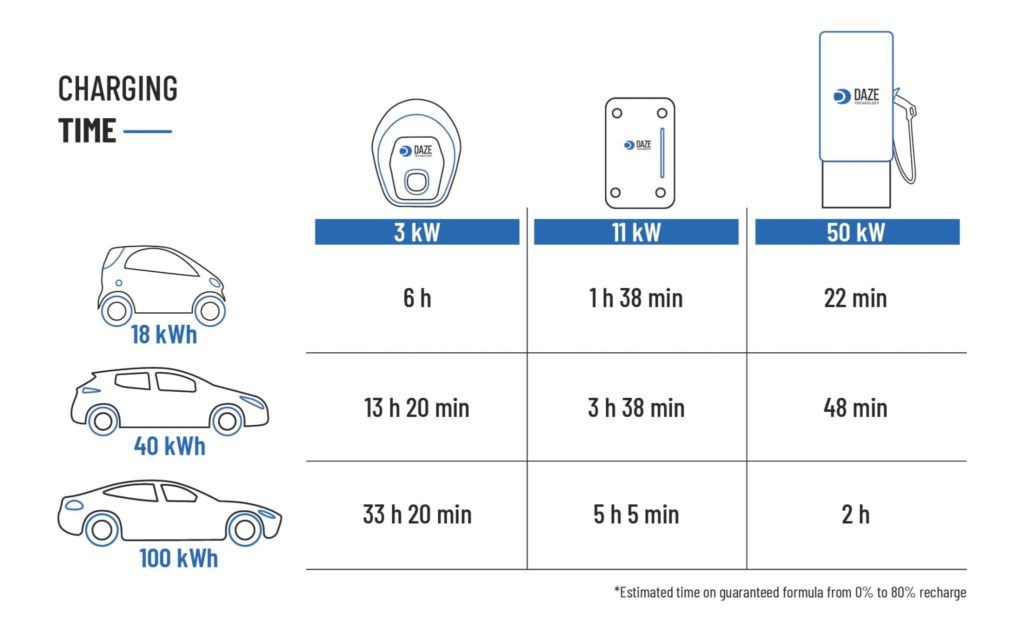
Credit: www.daze.eu
Why Does a Car Battery Need Charging?
Batteries lose power over time. This happens when you use the car’s lights, radio, or when the engine is off. Also, if you leave the car unused for many days, the battery drains.
Sometimes batteries die because they get old or cold weather affects them. In these cases, charging the battery can help.
How Long Does It Take to Charge a Car Battery?
The time to charge a car battery depends on several things. There is no one answer for all cases.
Here are some factors that affect charging time:
- Battery size and capacity
- How empty or weak the battery is
- Type of charger used
- Charging method
Battery Size And Capacity
Bigger batteries take longer to charge. The size is often measured in ampere-hours (Ah). A 60 Ah battery holds more power than a 40 Ah battery. So, it needs more time to fill up.
Battery Charge Level
If a battery is only a little low, it takes less time to charge. If it is fully dead, it will take more time. Sometimes very dead batteries cannot be fully charged.
Type Of Charger
Chargers come in different types. Some are slow, some are fast. Slow chargers are safer but take more hours. Fast chargers work quickly but can damage the battery if used often.
Here are common charger types:
| Charger Type | Charging Speed | Typical Time to Charge |
|---|---|---|
| Trickle Charger | Very Slow | 24 to 48 hours |
| Standard Charger | Slow | 8 to 12 hours |
| Fast Charger | Fast | 1 to 4 hours |
Charging Method
You can charge a car battery in different ways:
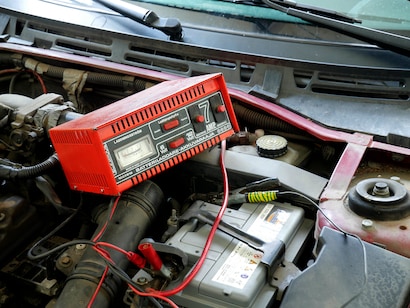
- Using a home charger
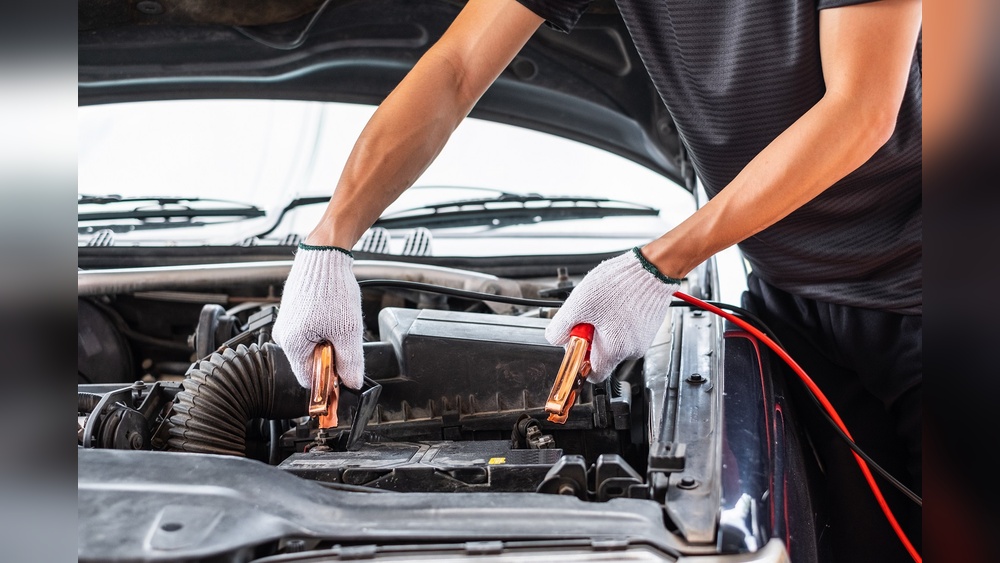
- Jump-starting from another car
- Using the car’s alternator while driving
Home chargers plug into a wall socket. They charge the battery slowly and safely.
Jump-starting gives a quick boost. But it does not fully charge the battery. You still need to drive or use a charger later.
The car’s alternator charges the battery while driving. But this works only if the battery is not very dead.
Typical Charging Times for Different Situations
Below are common situations and how long charging takes in each case.
- Lightly discharged battery: 4 to 6 hours with a standard charger.
- Fully drained battery: 10 to 24 hours with a slow charger.
- Jump-started battery: Needs at least 30 minutes of driving to recharge.
- Battery charged while driving: 1 to 3 hours depending on battery condition.
Credit: www.carcitywholesale.com
How to Charge Your Car Battery Safely
Charging a battery can be dangerous if not done right. Batteries contain acid and can give electric shocks.
Follow these simple safety tips:
- Wear gloves and eye protection.
- Charge in a well-ventilated place.
- Use the right charger for your battery type.
- Do not smoke or use open flames near the battery.
- Connect the charger wires correctly: positive to positive, negative to negative.
- Do not overcharge the battery. Remove charger after full charge.
Signs Your Battery Is Fully Charged
How do you know when the battery is done charging? Here are some signs:
- The charger’s light shows “full” or “charged.”
- The battery voltage reaches about 12.6 volts or higher.
- The battery feels warm but not hot.
- Your car starts easily after charging.
What Affects Charging Time Most?
The biggest factor is the charger current. This is how much power the charger gives per hour. It is shown in amps (A).
For example, a 2 amp charger will take longer than a 10 amp charger. But high amps can harm the battery if used wrong.
Another factor is the battery’s condition. Old or damaged batteries charge slower or may not hold charge.
Can You Charge a Car Battery Too Fast?
Yes. Charging too fast can cause problems. It can make the battery heat up and lose life. It may also cause acid leaks.
Always follow the charger instructions. Use a charger that matches your battery size.
Tips to Keep Your Car Battery Healthy
To avoid long charging times, keep your battery in good shape. Here are some easy tips:
- Drive your car regularly to keep the battery charged.
- Turn off lights and radio when the engine is off.
- Check battery terminals for dirt and clean them.
- Avoid short trips that don’t recharge the battery fully.
- Test your battery every year, especially before winter.
Summary
So, how long does a car battery take to charge? It depends on many things. The battery size, how empty it is, and the charger type matter most.
Slow chargers take many hours. Fast chargers can do it in a few hours. Jump-starting helps only a little. Driving your car charges the battery but slowly.
Always charge safely. Use the right tools and check your battery condition. This way, your car will start easily every time.
Frequently Asked Questions
How Long Does It Take To Charge A Car Battery Fully?
Charging a car battery fully usually takes 4 to 24 hours. It depends on the charger type and battery size.
Can A Car Battery Charge While Driving?
Yes, the car battery charges while driving through the alternator. It keeps the battery powered during your trip.
How Fast Can A Car Battery Charge With A Fast Charger?
Fast chargers can charge a car battery in 30 minutes to 1 hour. This speed varies by battery and charger.
What Factors Affect Car Battery Charging Time?
Battery age, charger type, and battery capacity all affect charging time. Cold weather also slows down charging.

Sudatta is a passionate automotive enthusiast and expert in the field. With a keen eye for detail and a love for all things automotive, he shares insightful articles and reviews to ignite the automotive passion in readers.