
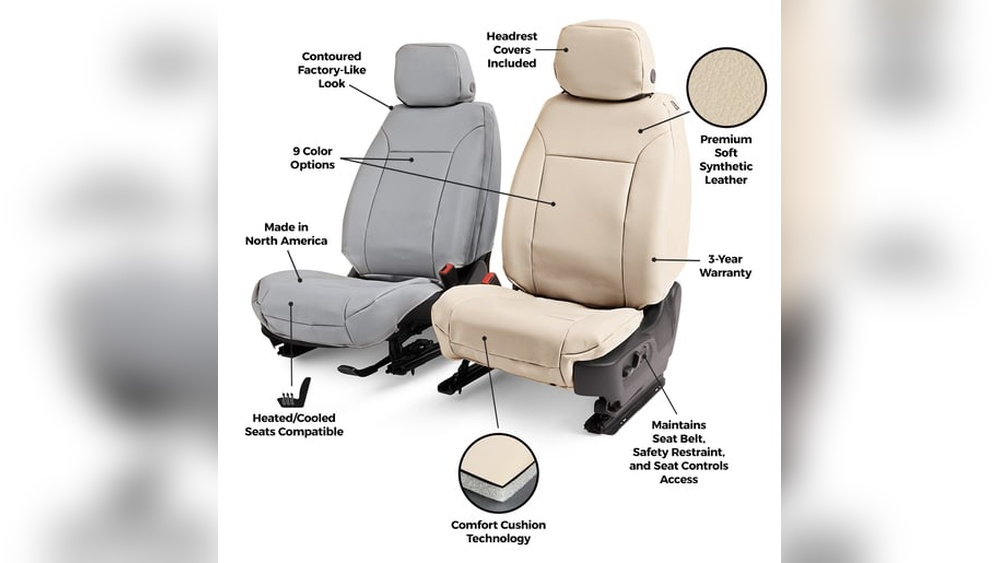
Many people use seat covers in cars, buses, and other vehicles. Seat covers help keep seats clean and protect them from damage. But some seat covers may have harmful chemicals.
Some of these chemicals can cause cancer. This article will explain what these agents are. We will also talk about why they are dangerous. Finally, we will give tips to stay safe.
What Are Seat Covers Made Of?
Seat covers are made from many materials. Some common materials include:
- Plastic
- Leather or faux leather
- Fabric like polyester or nylon
- Foam padding inside
To make these materials, factories add chemicals. These chemicals help make the seat covers soft, flexible, and long-lasting. But some chemicals are harmful to humans.
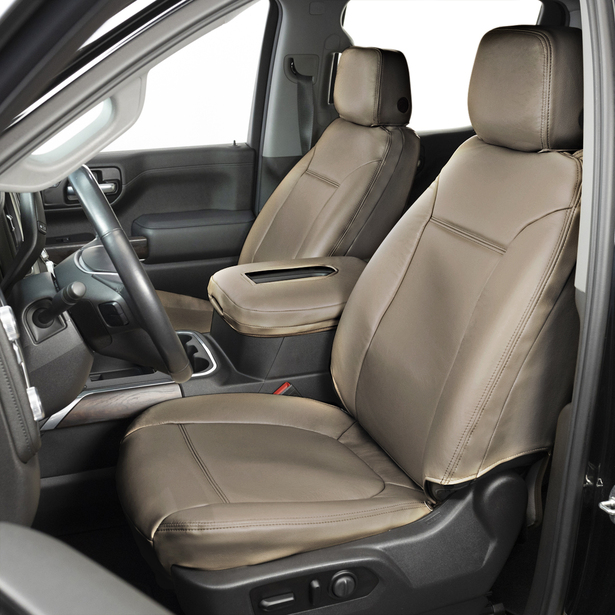
Credit: www.covercraft.com
Cancer Causing Chemicals in Seat Covers
Some chemicals in seat covers can cause cancer. These are called carcinogens. Here are some common cancer-causing agents found in seat covers:
1. Formaldehyde
Formaldehyde is used to keep fabrics from wrinkling. It also makes materials resistant to water and fire. But breathing formaldehyde for a long time can cause cancer.
It can irritate the nose, throat, and lungs. Formaldehyde is found in some synthetic fabrics and glues used in seat covers.
2. Polyvinyl Chloride (pvc)
PVC is a type of plastic often used in faux leather seat covers. It is cheap and easy to clean. But PVC contains chemicals called phthalates.
Phthalates help make PVC soft. Some phthalates can cause cancer in animals. They may also harm human health by disturbing hormones.
3. Flame Retardants
Many seat covers have flame retardants. These chemicals stop fires from spreading. But some flame retardants are harmful.
They can stay in the body and cause health problems. Some types are linked to cancer. They can also harm the brain and nervous system.
4. Heavy Metals
Heavy metals like lead, cadmium, and chromium may be used in dyes and pigments. These metals can be toxic and cause cancer.
They can enter the body through skin contact or dust. Long-term exposure to heavy metals is dangerous.

Credit: liptonlaw.com
Why Are These Chemicals Used?
Factories add chemicals to seat covers for many reasons:
- To make fabrics strong and last longer
- To make seat covers water-resistant
- To prevent fires
- To keep colors bright
- To make materials soft and flexible
While these chemicals help in making better products, they sometimes cause health risks. People do not always know about these risks.
How Do These Chemicals Cause Cancer?
Some chemicals can damage cells in the body. If cells get damaged, they may grow in a wrong way. This wrong growth can cause cancer. The damage may happen slowly. It may take many years to see problems.
We can get these chemicals in many ways:
- Breathing in fumes or dust
- Touching the seat covers
- Swallowing small particles by accident
People who spend a lot of time in cars or buses with these seat covers may face more risks.
How to Stay Safe From Harmful Chemicals in Seat Covers?
You cannot always see or smell harmful chemicals. But you can take steps to reduce risk:
1. Choose Natural Materials
Natural fabrics like cotton or wool are safer. They do not have many chemicals. Try to pick seat covers made from natural materials.
2. Look For Low Chemical Labels
Some seat covers are labeled as “low VOC” or “non-toxic.” VOC means volatile organic compounds. These compounds can harm health. Low VOC products have fewer harmful chemicals.
3. Keep Your Car Well Ventilated
Open windows and doors often. Fresh air helps remove harmful chemicals from inside the car. Use air fresheners carefully. Some air fresheners have chemicals too.
4. Clean Seat Covers Regularly
Cleaning removes dust and particles that carry chemicals. Use mild soap and water. Avoid strong chemical cleaners.
5. Avoid Heating Seat Covers
Heat can release more chemicals from seat covers. Avoid parking your car in very hot sunlight. Use sunshades to keep the inside cool.
What Should Manufacturers Do?
Manufacturers should use safer chemicals. They should tell customers about the materials used. More rules are needed to limit harmful chemicals. This can protect workers and customers.
Summary Table of Cancer Causing Agents in Seat Covers
| Chemical | Use in Seat Covers | Health Risk |
|---|---|---|
| Formaldehyde | Wrinkle resistance, water and fire proof | Can cause cancer, irritates lungs and throat |
| Polyvinyl Chloride (PVC) | Faux leather, softening with phthalates | May cause cancer, hormone disruption |
| Flame Retardants | Prevent fires | Linked to cancer and nervous system damage |
| Heavy Metals | Dyes and pigments | Toxic and cancer-causing |
Final Thoughts
Seat covers are useful but may hide dangers. Some chemicals in seat covers can cause cancer. Knowing these agents helps you make safe choices.
Choose natural or low chemical seat covers. Keep your car fresh and clean. Ask manufacturers about materials used. This small effort protects your health and family.
Remember, safety is important. The more you know, the better choices you make.
Frequently Asked Questions
What Chemicals In Seat Covers Cause Cancer?
Some seat covers contain flame retardants and formaldehyde. These chemicals can release harmful fumes linked to cancer risks.
Are Synthetic Materials In Seat Covers Harmful?
Synthetic seat covers may emit toxic chemicals like benzene. Long-term exposure to these chemicals can increase cancer chances.
Can Old Seat Covers Increase Cancer Risk?
Old seat covers may break down and release hazardous particles. These particles can be harmful when inhaled over time.
How Do Flame Retardants In Seat Covers Affect Health?
Flame retardants can disrupt hormones and may cause cancer. They slowly release toxins into the air inside vehicles.

Sudatta is a passionate automotive enthusiast and expert in the field. With a keen eye for detail and a love for all things automotive, he shares insightful articles and reviews to ignite the automotive passion in readers.