
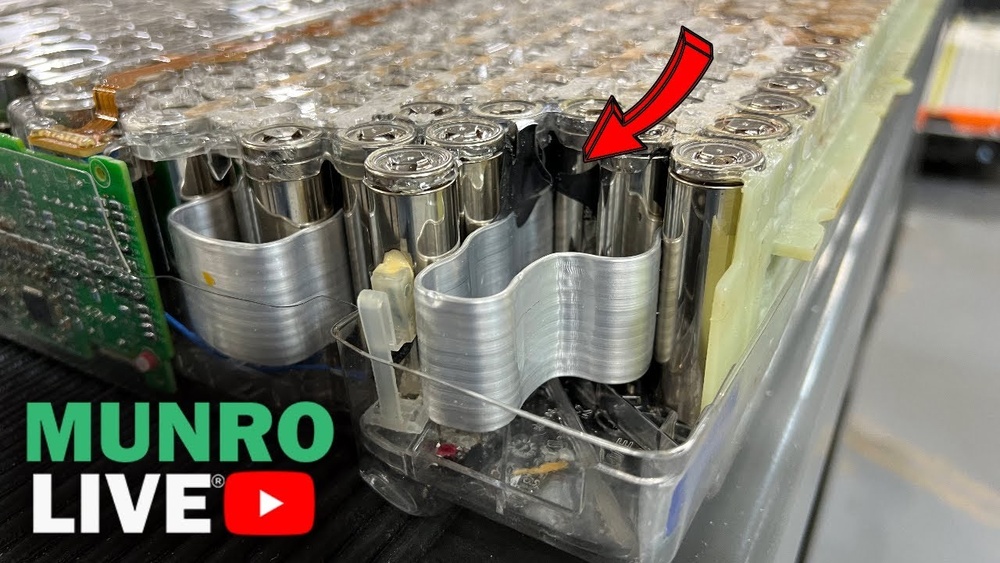
Have you ever wondered what makes a Tesla car run? It is the battery. But what is inside a Tesla battery?
This article will explain it in a simple way. You will learn about the parts, how they work, and why they are important.

Credit: www.qnovo.com
What Is a Tesla Battery?
A Tesla battery is a special kind of battery. It stores electricity to power the car. This battery is very big compared to phone or laptop batteries. It helps Tesla cars drive long distances without gas.
The Tesla battery is called a lithium-ion battery. This type of battery is common in electric cars today. It stores a lot of energy in a small space. That is why Tesla uses it in their cars.
Main Parts Inside a Tesla Battery
Inside a Tesla battery, you will find many parts. Here are the most important ones:
- Battery Cells
- Battery Modules
- Battery Pack
- Battery Management System (BMS)
- Cooling System
1. Battery Cells
The battery cell is the smallest part. It is like the tiny building block of the battery. Tesla uses thousands of these cells inside one battery.
Each cell looks like a small cylinder. It is about the size of a AA battery. Inside the cell, there are three main parts:
- Positive Electrode (Cathode)
- Negative Electrode (Anode)
- Electrolyte
The positive electrode is made of lithium metal oxides. The negative electrode is usually made of carbon, like graphite.
The electrolyte is a liquid that helps ions move between the electrodes. This movement of ions creates electricity.
2. Battery Modules
Battery cells are grouped into modules. Tesla puts many cells into one module. This helps organize the battery and makes it easier to manage.
Each module has about 100 cells. Modules connect to each other to make a battery pack.
3. Battery Pack
The battery pack is the big container that holds all modules. It is like a big box with many small parts inside.
The pack protects the cells and modules. It also connects to the car’s systems to send power to the motor.
4. Battery Management System (bms)
The BMS is like the brain of the battery. It watches over the battery all the time.
It checks the temperature, voltage, and current of each cell. This helps keep the battery safe. The BMS stops the battery if it gets too hot or too cold.
5. Cooling System
Batteries get warm when they work. Too much heat can damage them.
Tesla uses a cooling system inside the battery pack. It moves liquid or air to cool the cells. This keeps the battery working well for a long time.

Credit: www.youtube.com
How Does a Tesla Battery Work?
Now that you know the parts, how does the battery make the car move?
Electricity is made inside the battery cells. When the car needs power, lithium ions move from the negative electrode to the positive electrode. This movement creates electric current.
The electric current flows through wires to the car’s motor. The motor then turns the wheels. This is how the car moves without gas.
When you charge the battery, the process reverses. Lithium ions move back to the negative electrode. This stores energy for the next trip.
Why Are Tesla Batteries Special?
Tesla batteries have some unique features. These make them better than other batteries:
- High Energy Density: Tesla batteries store a lot of energy in a small space.
- Long Life: They last many years with proper care.
- Fast Charging: Tesla batteries can charge quickly.
- Safety Features: The BMS and cooling system help prevent accidents.
Materials Inside Tesla Batteries
The materials inside the battery cells are important. They affect how well the battery works.
| Part | Material | Function |
|---|---|---|
| Positive Electrode (Cathode) | Lithium Nickel Cobalt Aluminum Oxide (NCA) | Stores lithium ions during charging |
| Negative Electrode (Anode) | Graphite (Carbon) | Releases lithium ions during discharge |
| Electrolyte | Liquid with Lithium Salts | Allows movement of lithium ions |
| Separator | Plastic Film | Keeps electrodes apart to prevent short circuits |
Battery Size and Weight
Tesla battery packs are large and heavy. They weigh hundreds of kilograms. This weight helps the car stay balanced.
The size of the battery depends on the car model. For example, the Tesla Model S has a bigger battery than the Model 3. Bigger battery means longer driving range.
Recycling and Environmental Impact
Many people wonder what happens when a Tesla battery is old. Tesla works on recycling batteries to save materials.
Recycling helps reduce waste and pollution. It also saves valuable metals like lithium and cobalt.
Tesla is building special centers to recycle batteries safely. This helps protect the environment.
In Summary
Inside a Tesla battery, there are many small parts working together. Battery cells store and release energy. Modules group cells. The battery pack holds everything. The BMS keeps the battery safe. The cooling system stops overheating.
Tesla batteries use special materials to work well. They store a lot of energy and last a long time. These batteries help electric cars drive far without gas.
Understanding what is inside a Tesla battery helps us see how electric cars work. It also shows why batteries are important for the future of transport.
Next time you see a Tesla car, you will know what powers it from inside!
Frequently Asked Questions
What Materials Are Inside A Tesla Battery?
Tesla batteries use lithium, nickel, cobalt, aluminum, and graphite. These materials store and release electrical energy efficiently.
How Do Tesla Battery Cells Work Together?
Cells connect in series and parallel to form a battery pack. This design increases voltage and capacity for longer driving range.
Why Is Lithium Important In Tesla Batteries?
Lithium ions move between electrodes to create electric current. It helps store energy in a light and powerful way.
What Role Does Nickel Play In Tesla Batteries?
Nickel boosts the battery’s energy density and lifespan. It helps the battery hold more charge for longer drives.

Sudatta is a passionate automotive enthusiast and expert in the field. With a keen eye for detail and a love for all things automotive, he shares insightful articles and reviews to ignite the automotive passion in readers.