Car batteries help your car start and run. But sometimes, they stop working. How do you know if your car battery is dead?
This guide will explain simple ways to check your battery. You do not need special tools or skills.
What Does a Dead Car Battery Mean?
A dead battery cannot provide power to start the car. The car may not start or may show signs of low power.
Batteries can die because of old age, cold weather, or leaving lights on. Knowing the signs can save you time and money.
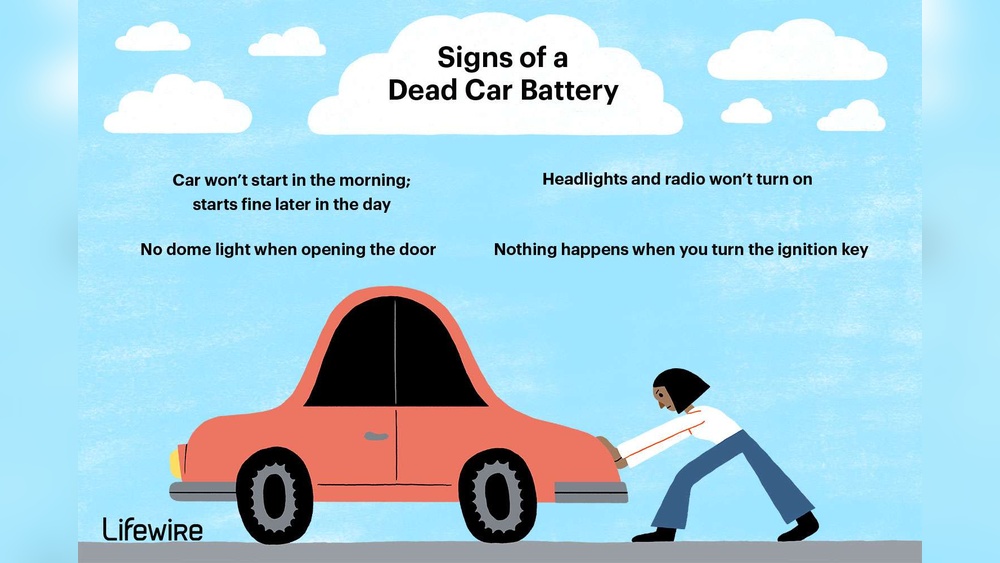
Signs Your Car Battery is Dead
Here are some common signs. If you see one or more, your battery might be dead:
- The engine won’t start: You turn the key, but the car does not start.
- Clicking sound: When you turn the key, you hear a clicking noise instead of the engine starting.
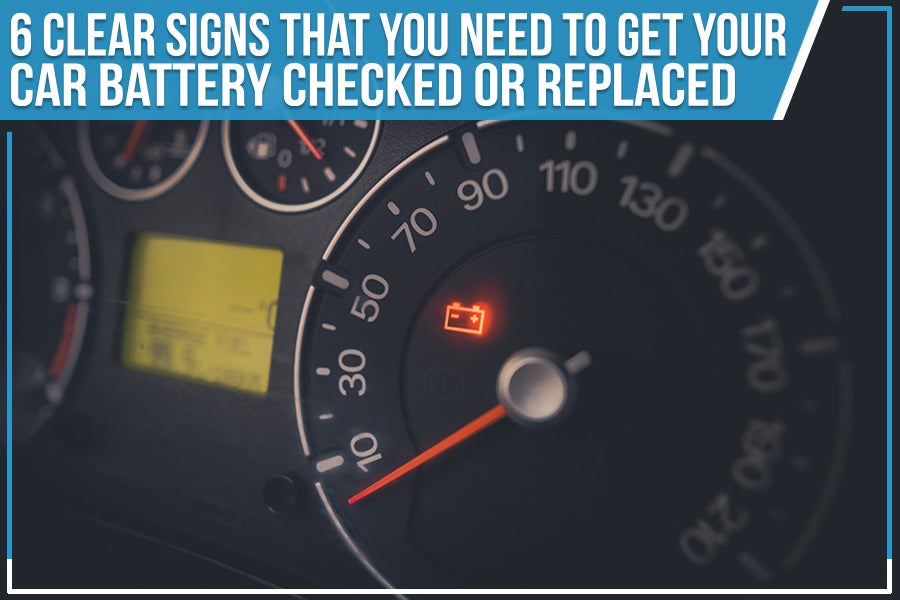
- Dashboard lights are dim: The dashboard lights are very weak or do not turn on.
- Headlights are dim or off: Your car’s headlights are very weak or do not light up.
- Electrical parts don’t work: Radio, power windows, or other electrical parts do not work.
- Swollen battery case: The battery looks swollen or bloated. This means it is damaged.
- Old battery: Your battery is more than 3-5 years old. Old batteries often die.

Credit: www.jiffylube.com
How to Test If Your Car Battery is Dead
You can test your battery with some easy steps. No need for a mechanic at first.
Step 1: Check The Lights
Turn on the headlights. Are they bright or dim? Dim lights mean the battery is weak.
Step 2: Try To Start The Car
Turn the key in the ignition. Listen carefully:
- If you hear a single click, the battery may be dead.
- If the engine tries to turn but stops, the battery could be low.
- If nothing happens, the battery might be dead or disconnected.
Step 3: Look At The Dashboard
Turn the key to the “on” position without starting the engine. Check if the dashboard lights come on. No lights or very weak lights can mean a dead battery.
Step 4: Check For Corrosion
Look at the battery terminals (where the cables connect). If you see white or green powder, this is corrosion. Corrosion can stop the battery from working well.
Step 5: Use A Voltmeter (if You Have One)
A voltmeter measures the battery power. A healthy battery shows about 12.6 volts or more when the car is off. Less than 12 volts means the battery is weak or dead.
What Causes a Car Battery to Die?
Understanding why batteries die helps you avoid problems.
- Old age: Batteries last about 3-5 years. After that, they lose power.
- Leaving lights on: Car lights or accessories left on drain the battery.
- Cold weather: Cold temperatures reduce battery power.
- Short trips: Driving only short distances does not let the battery fully recharge.
- Faulty charging system: If your car’s alternator is bad, the battery will not charge.
Credit: www.southgateford.net
How to Prevent Battery Problems
Preventing battery death is easier than fixing it. Follow these tips:
- Turn off lights and accessories when you leave the car.
- Drive your car regularly for at least 20 minutes.
- Keep battery terminals clean and free of corrosion.
- Check your battery age and replace it after 3-5 years.
- Have your car’s charging system checked by a mechanic.
What to Do If Your Car Battery is Dead
If your battery is dead, here are steps to take:
Jump Start Your Car
Jump starting uses another car’s battery to start your car. You need jumper cables and a working car.
- Park both cars close but not touching.
- Turn off both cars and all accessories.
- Connect the red clamp to the dead battery’s positive (+) terminal.
- Connect the other red clamp to the good battery’s positive (+) terminal.
- Connect the black clamp to the good battery’s negative (-) terminal.
- Connect the other black clamp to a metal part of the dead car’s engine, away from the battery.
- Start the good car and let it run for a few minutes.
- Try to start the dead car.
- Once started, remove cables in reverse order.
Drive your car for at least 20 minutes to recharge the battery.
Replace The Battery
If the battery does not hold charge, it might need replacing. Visit a mechanic or store for a new battery. Make sure to get the right size and type for your car.
Summary Table: Signs of a Dead Car Battery
| Sign | What it Means |
|---|---|
| Engine won’t start | Battery may be dead or very weak |
| Clicking sound | Battery can’t provide enough power |
| Dim headlights | Battery power is low |
| Dashboard lights dim or off | Battery may be dead |
| Swollen battery case | Battery is damaged and unsafe |
| Old battery (3-5 years) | Battery likely to die soon |
Final Thoughts
Your car battery is important. It gives power to start your car. If your car shows signs of a dead battery, check it quickly.
Testing the battery is simple and saves you from bigger problems. Keep your battery clean and drive regularly. These small steps help your battery last longer.
Remember, if you are unsure, ask a mechanic. They can test your battery safely and help you fix the problem. A working battery means a happy, reliable car.
Frequently Asked Questions
How Can I Tell If My Car Battery Is Dead?
Look for slow engine crank or no start at all. Dim headlights and electrical issues also signal a dead battery.
What Are The First Signs Of A Failing Car Battery?
Slow engine start and dim lights are early signs. You might also notice strange clicking sounds when starting.
Why Does My Car Battery Die Quickly?
Frequent short trips or leaving lights on drain the battery. Old batteries also lose charge faster over time.
How Long Does A Car Battery Usually Last?
Car batteries typically last 3 to 5 years. Extreme weather can shorten their lifespan.

Sudatta is a passionate automotive enthusiast and expert in the field. With a keen eye for detail and a love for all things automotive, he shares insightful articles and reviews to ignite the automotive passion in readers.