A car battery can lose power for many reasons. Cold weather, leaving lights on, or an old battery can cause this. Sometimes, your car won’t start because the battery is low.
You might wonder, how long should you leave your car running to charge the battery? This is a common question for many drivers.
What Happens When Your Car Battery is Low?
The car battery gives power to start the engine. It also runs lights and other small parts. When the battery is low, the engine might not start.
The lights may be dim. The radio may not work well. This happens because the battery does not have enough energy.
When the car engine runs, the alternator makes electricity. This electricity charges the battery.
So, leaving the car running helps the battery get power again. But how long do you need to keep it running?
How Long to Leave a Car Running to Charge Battery?
Generally, you need to leave the car running for about 30 minutes to charge the battery enough. This time can vary. It depends on how low the battery is and your car’s condition.
If the battery is just a little low, 20 to 30 minutes might be enough. But if the battery is very weak or almost dead, you may need to leave it running for an hour or more.
Remember, just idling (car running but not moving) charges the battery slower than driving. When you drive, the engine runs faster. The alternator produces more power to charge the battery.
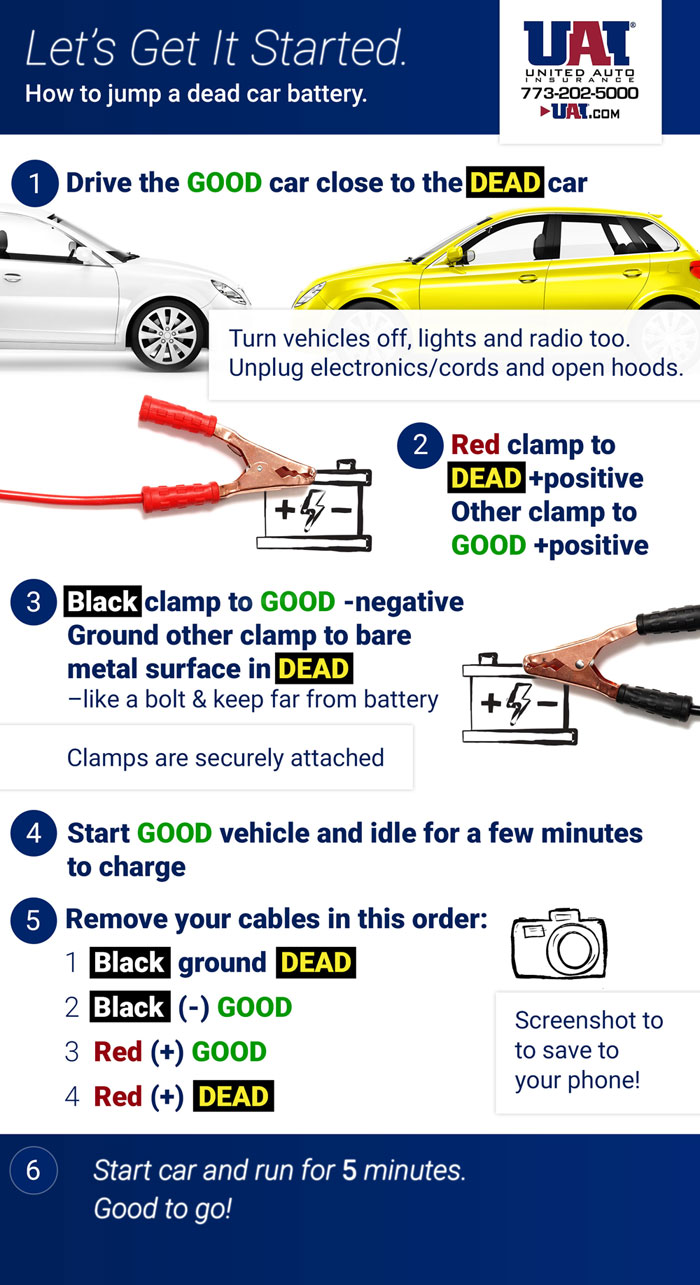
Credit: www.unitedautoinsurance.com
Why Driving Charges the Battery Faster
When you drive your car, the engine speed is higher than idling. This means the alternator spins faster. It creates more electricity. So, your battery charges quicker.
For example, if you only leave the car running in the parking lot, it may take a long time to charge the battery. But if you drive for 20 to 30 minutes, the battery gets charged much faster.
Steps to Properly Charge Your Car Battery by Running the Engine
- Start the car: If the car starts, let it run.
- Drive the car: Drive for about 20 to 30 minutes. Drive at normal speeds.
- Avoid short trips: Short trips don’t charge the battery well.
- Turn off electrical parts: Turn off the radio and lights to save power.
- Park and idle: If driving is not possible, let the car idle for 30 minutes.
How to Know if Your Battery is Charging
You might want to check if the battery is charging. Here are some signs:
- The engine runs smoothly without stalling.
- The headlights and dashboard lights are bright.
- The battery warning light on the dashboard turns off.
If the car still won’t start after charging, the battery may be too weak. Or there could be another problem with the car.
What If Your Car Battery Is Dead?
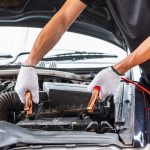
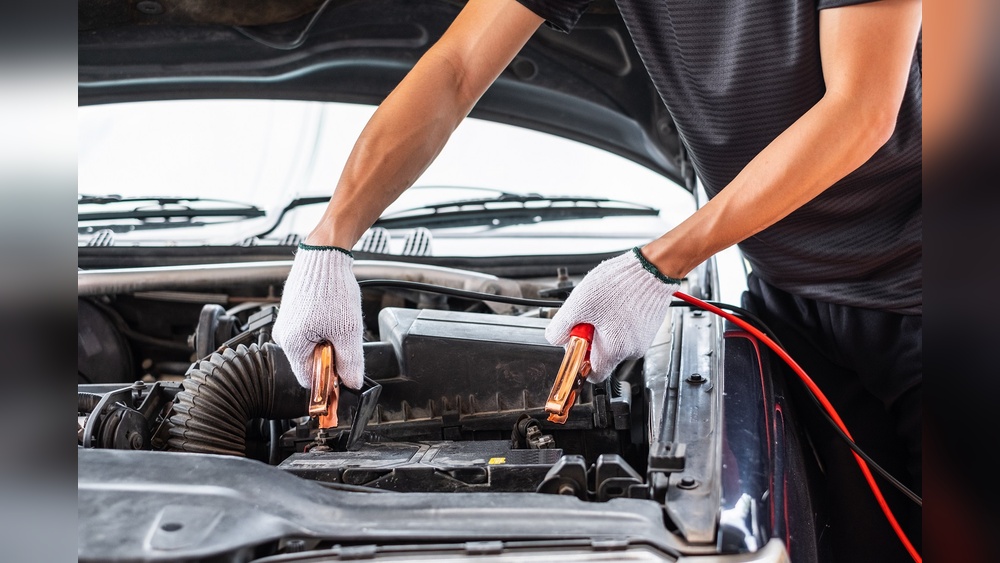
Sometimes, the battery is so low it can’t start the car at all. In this case, leaving the car running is impossible. You need to jump-start the car first.
After jump-starting, drive the car for at least 20 to 30 minutes. This helps charge the battery well. If you only let the car idle, the battery may not get enough charge.
Can Idling Damage Your Car?
Some people worry if idling for a long time can harm the car. Generally, short idling times like 20 to 30 minutes are okay.
But very long idling may waste fuel and cause engine wear. It is better to drive the car than just let it run.
Other Ways to Charge a Car Battery
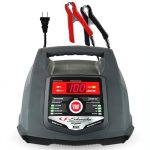
Besides running the car, you can charge the battery with special devices. These devices are called battery chargers.
Battery chargers connect to the battery and use electricity from a wall outlet. They can charge the battery safely and fully. Chargers are good if the battery is very low or old.

Credit: www.jdpower.com
How to Keep Your Car Battery Healthy
To avoid battery problems, follow these tips:
- Turn off lights and accessories when the engine is off.
- Drive your car regularly, at least once a week.
- Avoid short trips that don’t allow full charging.
- Have your battery checked by a mechanic once a year.
- Keep the battery clean and free from corrosion.
Summary: How Long to Leave a Car Running to Charge Battery
| Battery Condition | Recommended Running Time | Best Method |
|---|---|---|
| Battery slightly low | 20 to 30 minutes | Drive at normal speed |
| Battery very weak | At least 1 hour | Drive; avoid idling only |
| Battery dead (won’t start) | N/A | Jump-start first, then drive 20-30 minutes |
In short, driving your car for 20 to 30 minutes is the best way to charge the battery. Idling can help but is slower. If the battery is very weak, longer time is needed. Always check your battery condition to avoid surprises.
Taking care of your car battery helps your car start easily. It also saves money on repairs. So, remember these tips next time your battery feels weak.
Frequently Asked Questions
How Long Should I Run My Car To Charge The Battery?
Running your car for at least 20 minutes helps recharge the battery. This time allows the alternator to generate enough power. Short drives may not fully charge the battery.
Can Idling Charge A Car Battery Effectively?
Idling charges the battery, but it is slower than driving. The engine speed affects how much charge the battery gets. Driving at moderate speeds is better for charging.
Is It Safe To Leave My Car Running To Charge Battery?
Yes, but avoid running it unattended in closed spaces. Running the engine outdoors or in a well-ventilated area is safer. Always check your car’s manual for specific advice.
How Often Should I Charge A Car Battery By Running The Engine?
Charging once a week helps keep the battery healthy. Frequent short trips may not fully recharge the battery. Longer drives improve battery life and performance.

Sudatta is a passionate automotive enthusiast and expert in the field. With a keen eye for detail and a love for all things automotive, he shares insightful articles and reviews to ignite the automotive passion in readers.