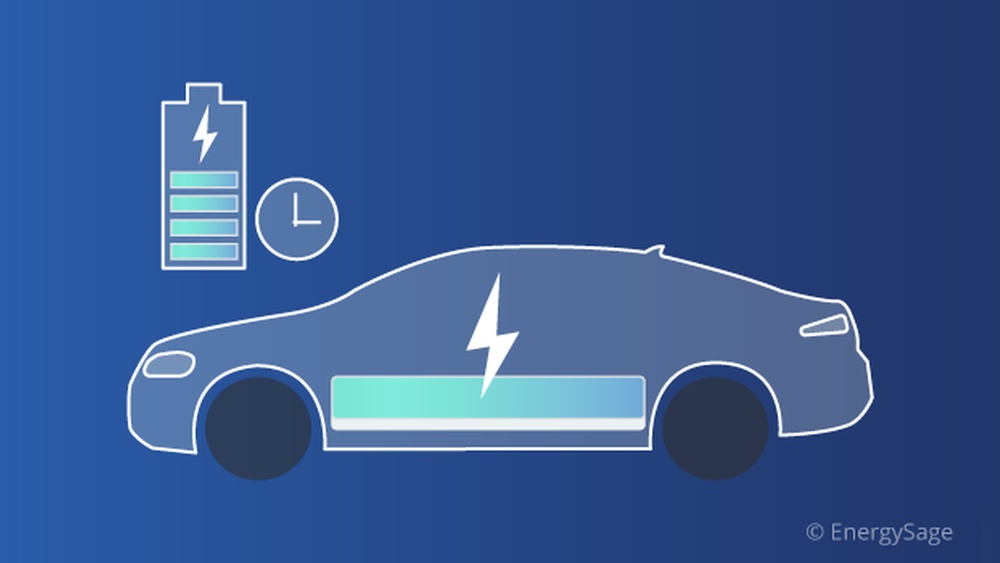
Tesla cars are popular electric vehicles. Many people ask about the life of their batteries. How long do Tesla batteries last? What affects their life? This article will explain all you need to know.
What Is a Tesla Car Battery?
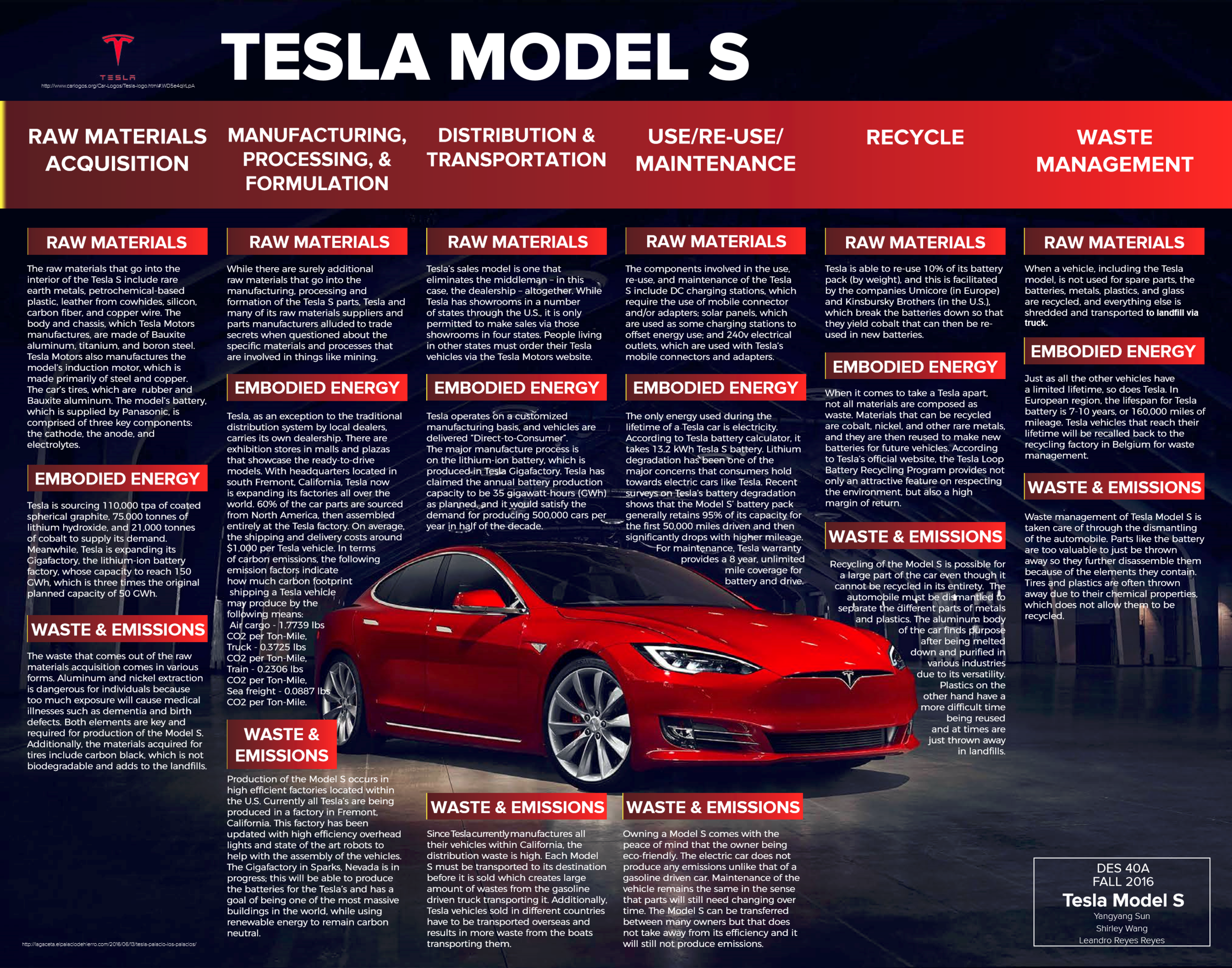
A Tesla car battery stores energy. It powers the electric motor that moves the car. Tesla uses lithium-ion batteries. These batteries are similar to those in phones and laptops, but bigger.
The battery is a big part of the Tesla car. It sits under the floor of the vehicle. This placement helps keep the car’s center of gravity low. It also protects the battery from damage.
How Long Does a Tesla Battery Last?
Tesla batteries last many years. Usually, they work well for 8 to 10 years. Some Tesla owners have batteries that still work after 10 years.
In terms of distance, Tesla batteries can last for about 300,000 to 500,000 miles. That is around 480,000 to 800,000 kilometers.
This distance is much more than most people drive in a lifetime. So, the battery life is often enough for many years of use.
What Does Battery Life Mean?
Battery life means how long the battery works well. Over time, batteries lose some power. This is called battery degradation.
When the battery degrades, the car can drive fewer miles on a full charge. But the battery does not stop working suddenly. It loses power slowly.
How Fast Does a Tesla Battery Lose Power?
Tesla batteries lose about 5 to 10% of their capacity in the first 100,000 miles. After that, the loss is slower. The battery still works well for many more miles.
In simple words, Tesla batteries keep a lot of their power for a long time. This is good for people who want to keep their car for years.
Factors That Affect Tesla Battery Life
Many things can affect how long a Tesla battery lasts. Here are some key factors:
- Charging habits: Fast charging often can wear out the battery faster.
- Temperature: Very hot or very cold weather can reduce battery life.
- Driving style: Hard acceleration and braking use more battery power.
- Battery size: Bigger batteries usually last longer.
- Software updates: Tesla updates can help protect and improve battery life.
Charging Habits
Charging at home with a normal charger is best. It is slower but safer for the battery. Using Tesla Superchargers often is faster but can reduce battery life.
Experts say to avoid charging to 100% all the time. Charging to about 80-90% is better for the battery. Also, do not let the battery get too low before charging.
Temperature Effects
Batteries work best at moderate temperatures. Hot weather can cause the battery to wear out faster. Cold weather can reduce how far the car can go on one charge.
Tesla cars have systems to keep the battery at good temperatures. This helps protect the battery life.
Driving Style
Driving gently helps the battery last longer. Hard acceleration uses more power and can wear the battery faster. Smooth driving is better for the battery and the car.
Battery Size
Tesla offers different battery sizes. Larger batteries have more cells. This means they can last longer and store more energy.
Software Updates
Tesla sends software updates to its cars. These updates can improve battery use. They can also add new features that protect the battery.
What Happens When a Tesla Battery Gets Old?
When a Tesla battery gets old, it holds less charge. The car drives fewer miles on a full charge. Charging may take longer.
But the car still works well for a long time. Tesla batteries usually keep at least 70-80% of their original capacity after many years.
If the battery gets very old, Tesla can replace it. Battery replacement is expensive but possible. Many Tesla owners do not need to replace batteries for many years.
)
Credit: www.energysage.com
How to Take Care of a Tesla Battery
Good care can help your Tesla battery last longer. Here are simple tips:
- Charge to about 80-90%, not 100%, daily.
- Use fast charging only when needed.
- Keep the car in shade or garage in hot weather.
- Drive smoothly without hard acceleration.
- Keep the car updated with Tesla software.
Comparing Tesla Battery Life with Other Electric Cars
Tesla batteries last longer than many electric cars. This is because of Tesla’s battery design and management systems.
Many electric cars have battery warranties of 8 years or 100,000 miles. Tesla’s battery warranty is similar but often covers longer mileage.
This makes Tesla a good choice for people who want a long-lasting battery.
Battery Warranty and Replacement
| Model | Warranty Time | Warranty Mileage | Warranty Coverage |
|---|---|---|---|
| Model S and X | 8 years | 150,000 miles | Minimum 70% battery capacity |
| Model 3 and Y | 8 years | 100,000 – 120,000 miles | Minimum 70% battery capacity |
If the battery capacity drops below warranty limits, Tesla will replace or repair it.
Credit: www.designlife-cycle.com
Frequently Asked Questions
How Long Does A Tesla Car Battery Last?
Tesla batteries typically last 300,000 to 500,000 miles. This equals about 8 to 10 years of normal use.
What Factors Affect Tesla Battery Life?
Heat, charging habits, and driving style impact battery life. Frequent fast charging may reduce battery lifespan faster.
How Much Does Tesla Battery Replacement Cost?
Replacing a Tesla battery can cost between $12,000 and $16,000. Prices depend on the model and labor fees.
Does Tesla Battery Degrade Over Time?
Yes, Tesla batteries slowly lose capacity over years. Most lose about 5% of charge after 100,000 miles.
Conclusion
The life of a Tesla car battery is long and reliable. It can last 8 to 10 years or more. In distance, it can cover about 300,000 to 500,000 miles.
Battery life depends on charging, temperature, driving, and care. Tesla batteries lose power slowly. Most owners can use their Tesla for many years before battery issues.
Taking care of the battery with good habits helps a lot. Tesla also offers strong warranties for battery life. This gives buyers confidence.
In short, Tesla car batteries are designed to last. They make electric driving practical and easy for many years.

Sudatta is a passionate automotive enthusiast and expert in the field. With a keen eye for detail and a love for all things automotive, he shares insightful articles and reviews to ignite the automotive passion in readers.