
Car batteries are very important. They give power to start your car. Sometimes, the battery runs out of charge. Then, the car will not start.
This is a common problem. But you can fix it by charging the battery. In this article, you will learn how to charge a car battery safely and easily.
What You Need to Charge a Car Battery
Before you start, you need some tools. Here is a simple list:
- A car battery charger
- Safety gloves
- Safety glasses
- A clean cloth
- A well-ventilated area
It is very important to use the right charger. Different batteries need different chargers. Read your car manual to know more.
Safety First
Charging a battery can be dangerous. Batteries have acid and electricity. These can hurt you. Always wear gloves and glasses.
Work in a place with fresh air. Do not smoke or use a flame near the battery. Keep children and pets away.
Step 1: Check the Battery
Look at the battery carefully. Is it clean? If there is dirt or corrosion on the battery terminals, clean it with a cloth.
You can use a mix of baking soda and water to clean corrosion. Make sure the battery is not damaged or leaking. If it is, do not try to charge it. Take it to a professional.
Step 2: Turn Off Your Car
Make sure your car is off. Remove the keys from the ignition. This helps to avoid sparks or accidents. Also, turn off all lights and devices inside the car.
Step 3: Connect the Charger
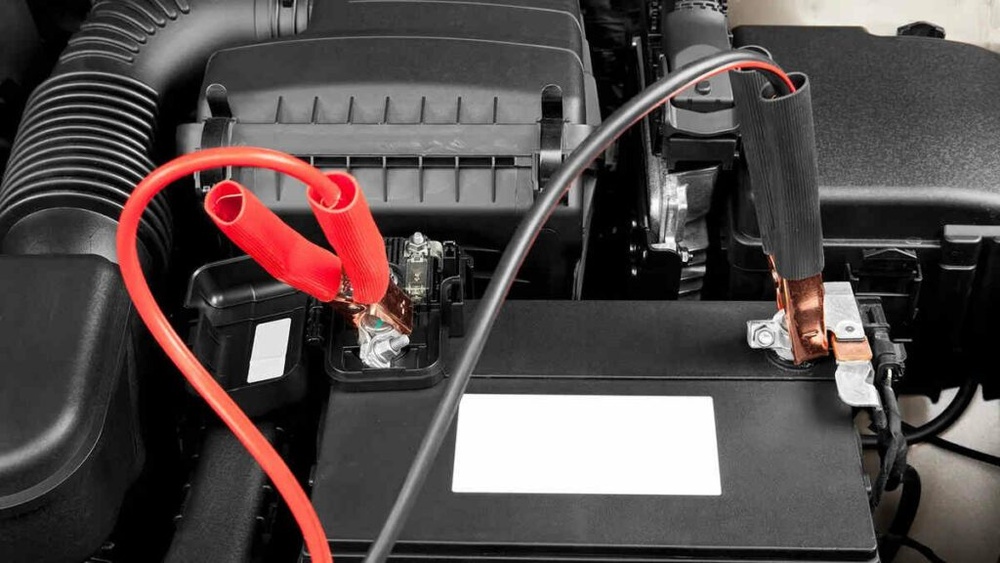
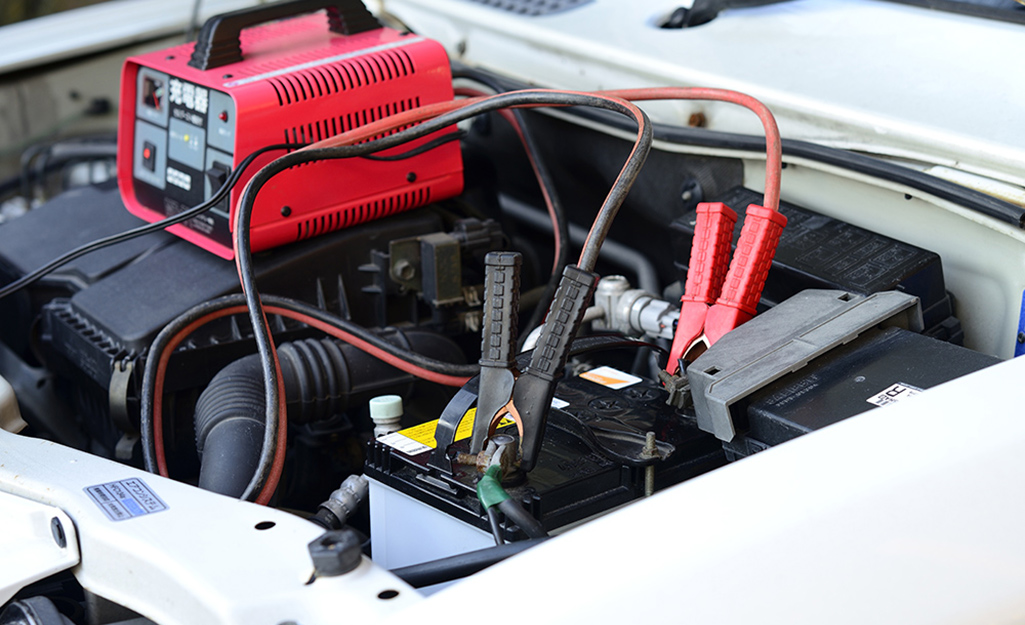
Now, take your car battery charger. It has two cables: one red and one black. The red cable is positive (+). The black cable is negative (–). First, connect the red cable to the positive terminal on the battery.
Look for the + sign or red color on the battery terminal. Then, connect the black cable to the negative terminal. Look for the – sign or black color.
If your charger has a clamp for the car frame or engine block, connect the black cable there instead of the battery’s negative terminal. This can prevent sparks.
Step 4: Set the Charger
Look at your charger settings. Choose the right voltage. Most car batteries use 12 volts. Then, choose the charging speed.
Slow charging is better and safer. It can take several hours but is good for the battery. Fast charging is quicker but can damage the battery if not done properly.
Credit: www.homedepot.com
Step 5: Start Charging
Plug the charger into a power outlet. Turn on the charger. You will see lights or meters that show charging progress.
Do not disconnect the charger while it is working. Let the battery charge fully. This can take from 4 to 24 hours depending on the charger and battery size.
Step 6: Finish Charging
When the battery is full, turn off the charger first. Then, unplug it from the power outlet. Remove the black cable first. Then, remove the red cable.
This order helps to avoid sparks. Check the battery voltage with a meter if you have one. A fully charged battery usually has about 12.6 volts.
Credit: ackodrive.com
Step 7: Test Your Car
Now, try to start your car. If it starts easily, the battery is charged. If not, the battery may be too old or damaged.
You might need a new one. If the car still does not start, the problem could be something else, like the starter or alternator.
Tips for Battery Care
- Keep the battery clean and dry.
- Check the battery regularly.
- Do not leave lights on when the car is off.
- Charge the battery before it gets too low.
- Use the right charger for your battery type.
Common Mistakes to Avoid
Charging a car battery is simple but can be tricky. Avoid these errors:
- Charging a frozen battery. It can explode.
- Connecting cables in the wrong order.
- Charging a damaged or leaking battery.
- Not using safety gear.
- Leaving the charger connected too long.
How Long Does It Take to Charge?
The time depends on battery size and charger type.
| Charger Type | Charging Time | Battery Condition |
|---|---|---|
| Slow Charger (2 amps) | 8 to 24 hours | Good or partially discharged battery |
| Fast Charger (10 amps) | 1 to 4 hours | Battery needs quick charge |
| Jump Start | Minutes | Battery too low to start car |
Slow charging is better for battery health. Fast charging is only for emergencies.
Alternative: Jump Starting the Battery
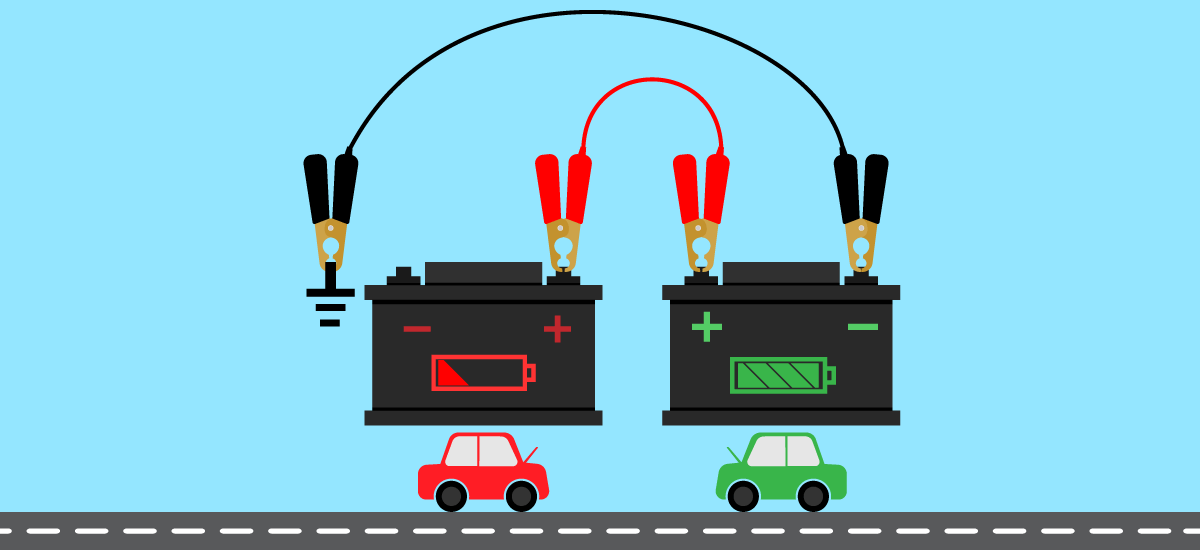
If you don’t have a charger, you can jump start the car. You need another car and jumper cables. Connect the cables carefully:
- Connect red cable to positive terminal of dead battery.
- Connect other red cable end to positive terminal of good battery.
- Connect black cable to negative terminal of good battery.
- Connect other black cable end to a metal part on dead car, away from battery.
Start the good car, then try to start the dead car. Once started, remove cables in reverse order.
Frequently Asked Questions
How Long Does It Take To Charge A Car Battery?
Charging time depends on the battery size and charger type. It can range from 30 minutes to 24 hours. Slow chargers take longer but are safer.
Can I Charge A Car Battery Without Removing It?
Yes, most car batteries can be charged without removal. Make sure the charger clamps are connected properly. Always follow safety guidelines to avoid sparks.
What Type Of Charger Is Best For Car Batteries?
Smart chargers are best because they adjust the charge automatically. They prevent overcharging and extend battery life. Basic chargers need more attention during use.
Is It Safe To Charge A Frozen Car Battery?
Charging a frozen battery is unsafe and can cause damage. Let the battery thaw completely before charging. Use a warm place to speed up thawing.
Conclusion
Charging a car battery is not hard. But you must be careful. Use the right tools. Follow the steps. Always put safety first.
Keep your battery healthy. It will help your car start every time. Now you know how to charge a car battery. Stay safe and keep your car ready to go!

Sudatta is a passionate automotive enthusiast and expert in the field. With a keen eye for detail and a love for all things automotive, he shares insightful articles and reviews to ignite the automotive passion in readers.