The best gear oil varies based on vehicle requirements and driving conditions. Always consult your vehicle’s manual for specific recommendations.
Gear oil is essential for the smooth operation of your vehicle’s transmission system, protecting gears under high pressure and temperature conditions.
It lubricates to minimize friction and wear, helps to dissipate heat, and can even reduce noise. Choosing the right gear oil can significantly enhance the performance and longevity of your vehicle’s gearbox.
It’s crucial to select a grade and type that aligns with your manufacturer’s specifications to ensure optimal functionality and prevent potential mechanical issues.
Whether for a car, truck, or industrial machinery, the correct gear oil will keep components running efficiently and reliably.

Credit: www.youtube.com
Introduction To Gear Oil
Gear oil is a crucial component in vehicles. It lubricates gears, reducing friction and wear. It helps transmit power effectively. The right gear oil ensures a smooth drive.
Importance Of Quality Gear Oil
Quality gear oil extends the life of vehicle components. It protects against corrosion, rust, and damage from high temperatures. It maintains performance over time. Engines and transmissions rely on it for peak operation.
Role In Vehicle Performance
Gear oil plays a vital role in vehicle performance. It ensures gears mesh smoothly, providing stability and power. It also helps with fuel efficiency. Gear oil quality directly affects how well a vehicle runs.
Types Of Gear Oil
Choosing the right gear oil is crucial for the health and performance of your machinery. Gear oils come in different types, each designed for specific applications.
Understanding the differences can help you select the best oil for your needs. Let’s dive into the types of gear oil.
Mineral Vs Synthetic Gear Oils
Mineral gear oils are refined from crude oil. They offer reliable protection and are cost-effective. Suitable for a range of environments, they’re a go-to for many standard applications.
Synthetic gear oils, on the other hand, are man-made and offer enhanced performance. They function well in extreme temperatures and provide superior protection against wear and tear. Although pricier, their long service life often justifies the investment.
Viscosity Grades Explained
Viscosity refers to a fluid’s resistance to flow. In gear oils, it’s a critical factor. The right viscosity ensures that the oil can form a durable lubricating film to protect gear components. Here’s a breakdown of viscosity grades:
- Low Viscosity: Great for cold temperatures, ensures quick flow at startup.
- Medium Viscosity: Balances flow and film strength, suited for varied conditions.
- High Viscosity: Ideal for high-load, high-temperature operations, offers thick protective film.
Understanding these gear oil types and viscosity grades leads to optimal machinery performance and longevity.
Criteria For Choosing The Best Gear Oil
Finding the right gear oil is crucial for your vehicle’s longevity and performance. Several factors come into play when selecting the optimal lubricant. Let’s discuss the key criteria to consider.
Vehicle Manufacturer Recommendations
Always start with the manual. Your vehicle’s maker knows best. They provide specific oil grades and additives suited for your gears.
- Check for viscosity requirements. They match your vehicle’s design.
- Look for API or GL ratings. They ensure oil quality and compatibility.
Driving Conditions And Load Impact
Consider your driving habits. Heavy towing demands more from gear oil. Regular commuting might need less.
| Condition | Impact on Gear Oil |
|---|---|
| High Temperatures | Need for higher viscosity |
| Heavy Loads | Oil with strong film strength |
| Off-Road | Durability in rough conditions |
Match the oil with your environment. Cold climates require different oils than hot ones.
Top Gear Oil Brands
When choosing the best gear oil, brand reputation matters. A top brand offers quality and reliability. Let’s explore the industry leaders and consumer favorites in gear oil brands.
Industry Leaders
Industry leaders set standards in gear oil quality. They have years of experience and a strong presence in the market.
These brands are known for their innovation and high-performance products. Customers trust them for their vehicles’ longevity and efficiency.
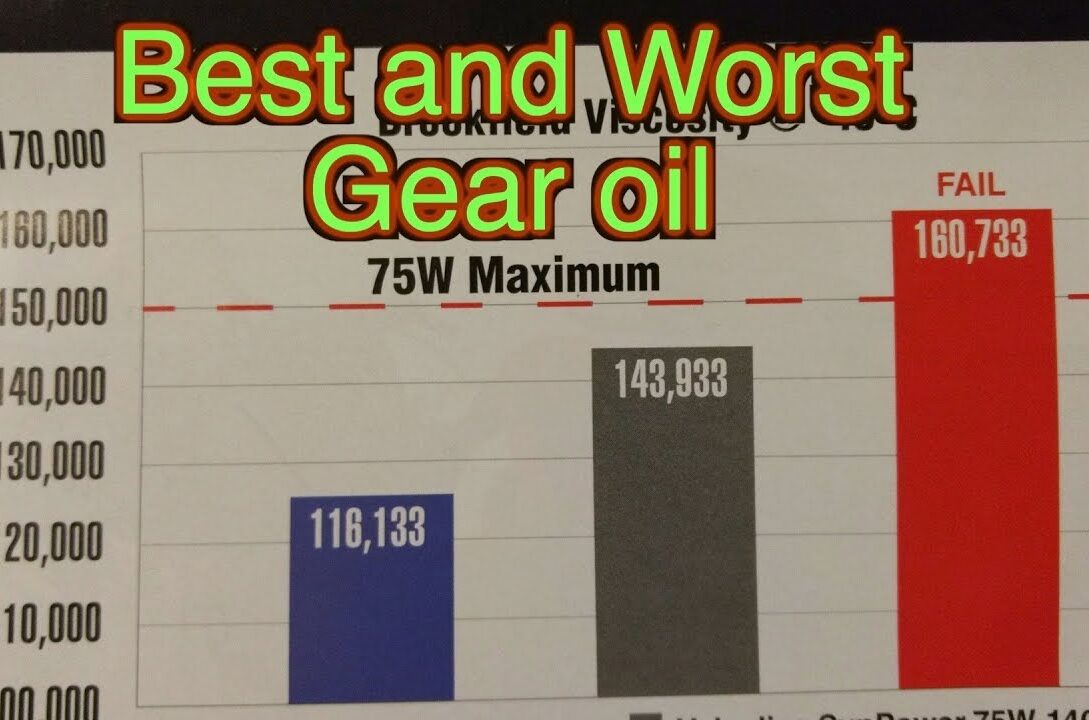
- Valvoline – Known for their SynPower line, offering excellent protection and performance.
- Mobil 1 – Offers advanced full synthetic formulas for superior gear protection.
- Castrol – With their EDGE and Axle lines, they provide oils designed for extreme conditions.
- Shell – Their Spirax oils are popular for their durability and wear protection.
- Red Line – Specializes in synthetic oils that cater to racing and heavy-duty applications.
Consumer Favorites
Consumer favorites gain their status through user satisfaction. These brands often get high ratings for their quality and value. They are popular choices for everyday drivers.
| Brand | Product Highlights |
|---|---|
| Lucas Oil | Heavy-duty oils with excellent thermal stability. |
| Amsoil | Signature Series boasts long-lasting performance. |
| Royal Purple | Max Gear offers great protection for high-performance gears. |
| Pennzoil | Provides affordable options with good wear protection. |
| Quaker State | Delivers durable oils suited for various driving conditions. |
Synthetic Gear Oils: Are They Superior?
Many people ask if synthetic gear oils are better. This section explores the truth.
Benefits Of Synthetic Oils
Synthetic gear oils offer many advantages:
- Higher temperature resistance which reduces the chance of oil breakdown.
- Better protection against wear and tear, keeping gears smooth.
- Improved fuel efficiency by reducing friction.
- Longer change intervals; less need for frequent changes.
Cost Vs Performance Analysis
Comparing costs and benefits is key.
| Type of Oil | Cost | Performance |
|---|---|---|
| Synthetic | Higher upfront cost | Superior performance |
| Conventional | Lower upfront cost | Basic performance |
While synthetic oils might seem more expensive initially, their long-term benefits justify the cost.
The Impact Of Additives
The Impact of Additives in gear oil is pivotal for optimal vehicle performance. These additives enhance the oil’s properties, ensuring gears operate smoothly under various conditions.
Common Gear Oil Additives
Gear oils contain several key additives:
- Anti-wear agents reduce gear surface damage.
- Corrosion inhibitors protect against rust.
- Detergents keep the system clean by neutralizing acids.
- Viscosity modifiers ensure stable oil performance in temperature changes.
How Additives Enhance Performance
Additives play a crucial role in boosting gear oil efficiency:
- Reducing friction leads to smoother gear shifts and less wear.
- Preventing sludge buildup ensures clean gear components.
- Enhancing thermal stability helps oil perform well in both hot and cold conditions.
This tailored blend of additives is essential for maintaining gear health and vehicle longevity.
Understanding Gear Oil Ratings
Understanding Gear Oil Ratings is vital for maintaining your vehicle’s performance. Gear oil protects gears from wear and extreme temperatures.
Different vehicles need specific types of gear oil. These oils have special ratings to help you choose the right one.
Api Classifications
The American Petroleum Institute (API) sets standards for gear oils. These classifications ensure oils meet specific requirements.
They show the oil’s suitability for different gear types. Common API ratings include GL-4 and GL-5. Each rating has its own performance level.
- GL-4: Suitable for synchromesh transmissions and some axles.
- GL-5: Designed for high-load, high-speed conditions. Used in many truck and car differentials.
Sae Viscosity Ratings
The Society of Automotive Engineers (SAE) measures oil thickness. This is called viscosity. Gear oils have SAE ratings like 75W-90 or 80W-140. The first number refers to the oil’s flow at cold temperatures.
The second number refers to the oil’s flow at high temperatures. Thicker oils protect better at high temperatures.
| SAE Rating | Cold-Weather Performance | High-Temperature Protection |
|---|---|---|
| 75W-90 | Good flow at low temperatures | Strong protection at high temperatures |
| 80W-140 | Thicker at cold temperatures | Extra protection for extreme heat |
Choose the right gear oil by checking your vehicle’s manual. It will tell you the exact API classification and SAE viscosity rating needed. Always use the recommended gear oil to ensure your gears stay in top shape.

Credit: www.tacomaworld.com
Changing Your Gear Oil
Maintaining your vehicle includes keeping an eye on the gear oil. This lubricant is crucial for the smooth operation of your gearbox.
Over time, gear oil degrades and needs replacing. Understanding when and how to change your gear oil ensures your vehicle stays in top condition.
Signs It’s Time For A Change
- Strange noises: Grinding or whining from the gearbox.
- Leakage: Oil spots under your car could mean a leak.
- Hard shifting: Gears that resist or are hard to change.
- Overdue service: Check your manual for the recommended schedule.
- Burnt smell: A burning scent may indicate old or low gear oil.
Diy Vs Professional Replacement
| DIY Replacement | Professional Replacement |
|---|---|
|
|
Deciding between DIY and professional gear oil replacement depends on your skills and comfort level. If you have the necessary tools and knowledge, a DIY approach can be rewarding. Otherwise, a trusted mechanic can ensure a quick and accurate job.
Gear Oil Myths Debunked
Welcome to the ‘Gear Oil Myths Debunked’ section of our blog. Here, we will explore and clarify common misconceptions about gear oil. Let’s uncover the truth behind what keeps your gears running smoothly.
Common Misconceptions
Gear oil is essential for the longevity and performance of your vehicle’s transmission. Yet, many drivers hold onto outdated beliefs or hearsay. It’s time to separate fact from fiction.
- All gear oils are the same: Many believe one gear oil fits all scenarios. This is incorrect. Different gear types require specific oils.
- Higher price means better quality: Price does not always indicate quality. Look for performance specifications over price tags.
- Change gear oil only when it looks dirty: Gear oil needs regular replacement based on mileage, not just appearance.
Fact-checking Gear Oil Claims
With various claims about gear oil performance and benefits, it’s crucial to know the facts. Below, we fact-check some of the most common gear oil claims.
| Claim | Fact |
|---|---|
| Synthetic gear oil always outperforms conventional | Synthetic oil often provides better performance, but certain applications may not see significant benefits. |
| More additives mean better protection | Not necessarily. The right balance of additives is key to optimal gear oil performance. |
| Once you switch to synthetic, you can’t go back | This is a myth. You can switch between synthetic and conventional oils if needed. |

Credit: www.gz-supplies.com
Future Of Gear Oils
The future of gear oils is shaping up to be an exciting journey. As the world evolves, so do the requirements for lubricants. Gear oils are no exception.
With a focus on longevity, efficiency, and environmental impact, the lubrication industry is innovating at an incredible pace.
Advancements In Lubrication Technology
Gear oils have undergone significant changes thanks to cutting-edge research and technology. These advancements are not just about making gears run smoother. They aim to extend gear life and reduce maintenance costs.
Smart additives in gear oils can now repair and protect metal surfaces. Nanotechnology has also entered the scene, creating particles that work at the molecular level to reduce wear.
- Self-healing properties that repair micro damages
- Nanoparticles that fill in rough spots on metal surfaces
- Synthetic base oils that perform better under extreme conditions
Eco-friendly And Sustainable Options
Sustainability is key in the development of new gear oils. Manufacturers are now offering bio-based gear oils which are less harmful to the environment.
These oils are made from renewable resources and are designed to be biodegradable. This means they break down naturally without harming the earth.
| Feature | Benefit |
|---|---|
| Biodegradable | Less environmental impact |
| Renewable resources | Reduces dependency on fossil fuels |
| Low toxicity | Safer for workers and wildlife |
Additionally, new formulas are designed to reduce carbon footprint. This is achieved by increasing efficiency and reducing the amount of oil needed for lubrication.
- Improve fuel economy
- Reduce oil waste
- Lower emissions
Frequently Asked Questions
What Is The Best Oil For Gear?
The best oil for gears is a high-quality synthetic lubricant designed for specific gear types, ensuring optimal performance and longevity.
What Is The Best Differential Gear Oil?
The best differential gear oil depends on your vehicle’s specifications, usually found in the owner’s manual. Opt for high-quality, fully synthetic oils with the appropriate viscosity grade for optimal performance and protection.
Which Is Better 75w90 Or 80w90?
Choosing between 75W90 and 80W90 depends on vehicle specifications and operating conditions. 75W90 is generally better for cold-weather performance, while 80W90 may be preferable for high-load applications. Always consult your vehicle’s manual for the recommended viscosity.
How Do I Choose The Right Gear Oil?
Check your vehicle manual for the manufacturer’s recommended gear oil specification. Consider oil viscosity suitable for your climate.
Ensure compatibility with your vehicle’s transmission type. Look for oils with high-quality additives for better protection. Opt for reputable brands for reliability and performance.
Conclusion
Selecting the right gear oil is crucial for vehicle performance and longevity. Summing up, consider your vehicle’s requirements, operating conditions, and manufacturer recommendations.
High-quality gear oil keeps your gears running smoothly, ensuring a safer and more efficient drive. Remember, investing in the best gear oil pays off in the long run.

Sudatta is a passionate automotive enthusiast and expert in the field. With a keen eye for detail and a love for all things automotive, he shares insightful articles and reviews to ignite the automotive passion in readers.