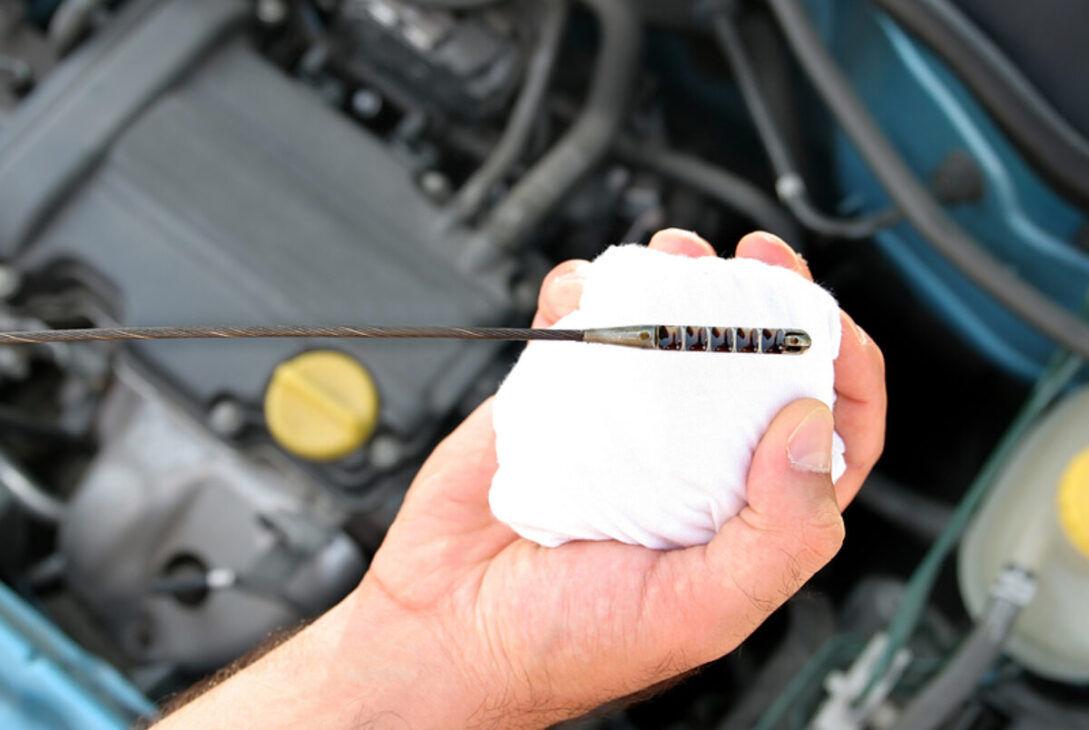
Check your engine oil level at least once a month or every other fuel fill-up. Ensure the engine is cool or has been off for at least 10 minutes before checking.
Regularly monitoring your engine oil is crucial for maintaining your vehicle’s health and performance. A well-lubricated engine runs smoothly, reduces wear and tear, and can prevent costly repairs down the line.
By checking your oil level frequently, you can catch issues early, such as leaks or consumption that may indicate a bigger problem.
It’s a simple, quick task that can save you time and money while protecting your investment.
Keeping an eye on the oil’s color and texture can also inform you when it’s time for a change, ensuring your engine’s longevity and reliability. Remember, consistent maintenance is key to your vehicle’s optimal performance.
Credit: www.car-motor-oil.com
Importance Of Regular Engine Oil Checks
Regular engine oil checks are a critical part of car maintenance. They keep your engine healthy and your car running smoothly. Think of engine oil as the lifeblood of your car.
Just as your body cannot function without blood, your car cannot operate without oil. Ensuring the right oil level could be the difference between a smooth ride and a costly repair bill. Consistent oil level checks can prevent major issues and save money in the long run.
Protecting Your Engine
The engine is the heart of your vehicle. Regular oil checks help safeguard this vital component from damage. Oil lubricates moving parts, reducing friction.
This prevents overheating and wear over time. Without sufficient oil, the engine parts grind against each other, leading to premature wear and potential engine failure.
- Prevents corrosion: Engine oil contains additives that help protect against rust.
- Removes contaminants: Oil captures dirt and debris, keeping them away from engine components.
Maximizing Vehicle Performance
A well-lubricated engine doesn’t just survive; it thrives. Regular oil checks ensure optimal performance by maintaining the right oil viscosity.
Proper lubrication ensures that all parts work harmoniously. This leads to better fuel efficiency, smoother operation, and a more responsive vehicle.
| Benefits of Maintaining Oil Level | Impact on Vehicle Performance |
|---|---|
| Reduced Friction | Smooths engine operation |
| Optimal Lubrication | Enhances fuel efficiency |
| Temperature Control | Prevents overheating |
In short, checking engine oil regularly is non-negotiable for the longevity and performance of your vehicle. It’s a simple task that yields significant benefits. Stay ahead of engine troubles and give your car the attention it deserves.
Recognizing Signs Of Low Engine Oil
Keeping an eye on engine oil is crucial for a healthy car. Oil lubricates and protects the engine. Low oil levels can cause serious damage. It’s important to recognize the signs that your engine may be running low on this vital fluid.
Warning Lights And Alerts
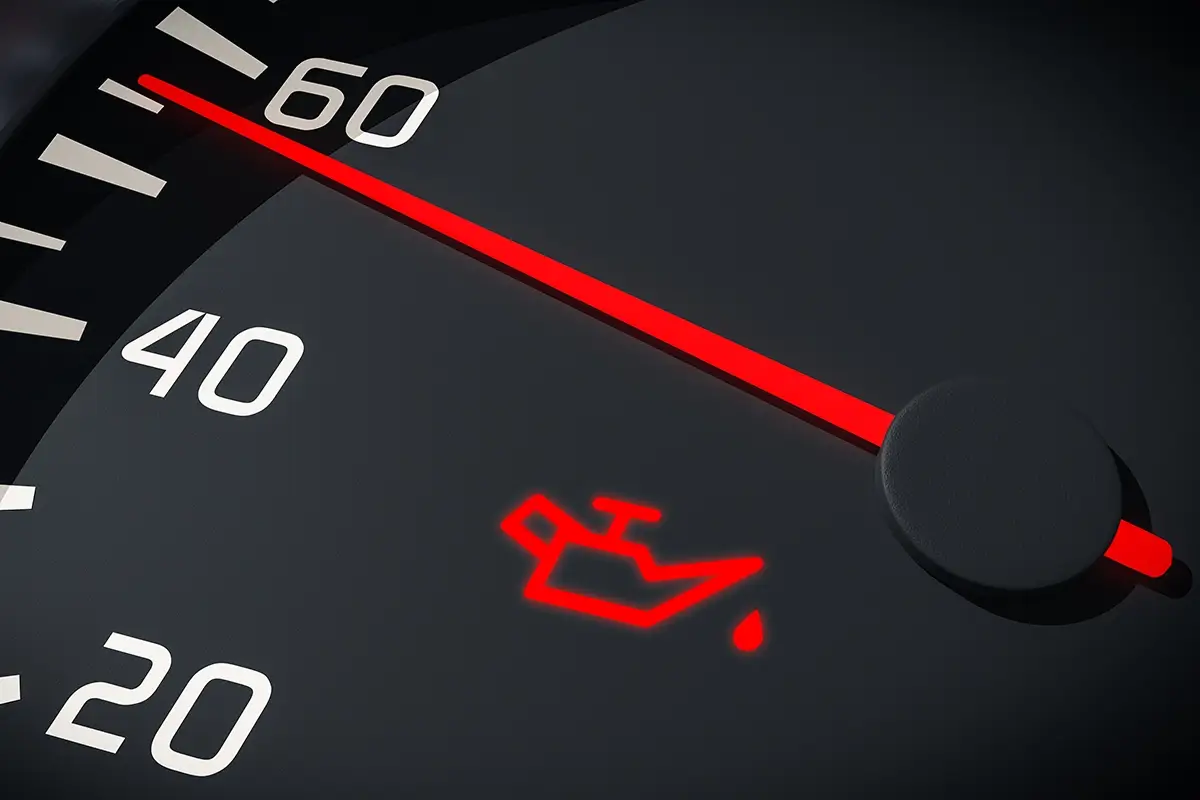
Dashboard warning lights are your first hint of low oil. The oil pressure warning light resembles an old-style oil can. If it illuminates, check the oil level immediately. Cars with modern tech may also show alert messages on the driver display.
Visual And Auditory Clues
Beyond lights and alerts, your car might give other hints. Watch for these:
- Dark exhaust smoke – Indicates possible oil issues.
- Engine noise increase – Ticking or knocking sounds can mean low oil.
- Oil smell inside the car – A clear sign of oil problems.
Regularly checking your oil level via the dipstick is a good practice. Do this every few weeks or before a long trip. If you spot any signs of low oil, top it up as needed to avoid engine trouble.
Ideal Frequency For Oil Level Inspections
Maintaining the right engine oil level is crucial for your car’s health. It ensures smooth performance and longevity.
To strike the perfect balance, it’s important to know the ideal frequency for oil level inspections. Checking too often or not often enough can both lead to issues down the road.
Manufacturer’s Recommendations
Always start with your car’s manual. It’s the go-to guide for the specifics of your vehicle. Manufacturers provide tailored advice on maintenance schedules, including oil checks.
Typically, you’ll find a suggestion to check the oil level every month. For newer models, this interval might extend due to advancements in engine technology and oil quality.
Influence Of Driving Habits
Your driving habits play a big role in how often you should check the engine oil. Here’s a quick rundown:
- Frequent short trips: Check more often, as condensation can affect oil quality.
- Long-distance cruising: Less frequent checks needed, but don’t ignore the monthly rule.
- Rough conditions: Off-roading or heavy towing means more frequent inspections.
Remember, keeping an eye on oil levels helps catch leaks or consumption issues early. It’s a simple step that can save costly repairs and keep your car running smoothly.
Credit: www.cars.com
Step-by-step Guide To Checking Oil Level
Keeping your car in top shape means checking the engine oil regularly. This step-by-step guide will show you how to do it correctly. Let’s ensure your car runs smoothly and efficiently!
Tools You’ll Need
Before you start, gather these essential items:
- Clean rag or paper towel to wipe the dipstick
- Gloves to keep your hands clean
- Engine oil if you need a top-up
The Right Technique
Follow these steps to check your oil level:
- Ensure the engine is cool if your car was running.
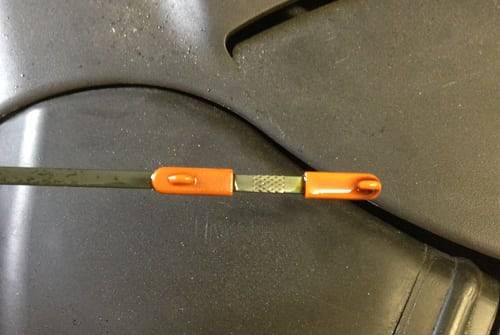
- Find the dipstick. It’s usually marked with an oil can symbol.
- Pull the dipstick out and wipe it clean with your rag.
- Insert it back fully, then pull it out again to check the oil level.
- Read the level. Two marks indicate ‘Full’ and ‘Add Oil’.
- Add oil if needed. Don’t overfill.
- Check again to ensure the level is correct.
By following these steps, you’ll keep your car’s engine in great condition!
Interpreting The Oil Level Indicator
Keeping an eye on your engine oil is crucial for your vehicle’s health. It’s like checking its pulse. Regular checks ensure your engine runs smoothly and lasts longer. But what do those marks on the oil level indicator mean? Let’s dive in.
Reading The Dipstick
To read the dipstick correctly, first ensure your car is on level ground. Pull the dipstick out and wipe it clean. Reinsert it fully, then pull it out again to check the oil level.
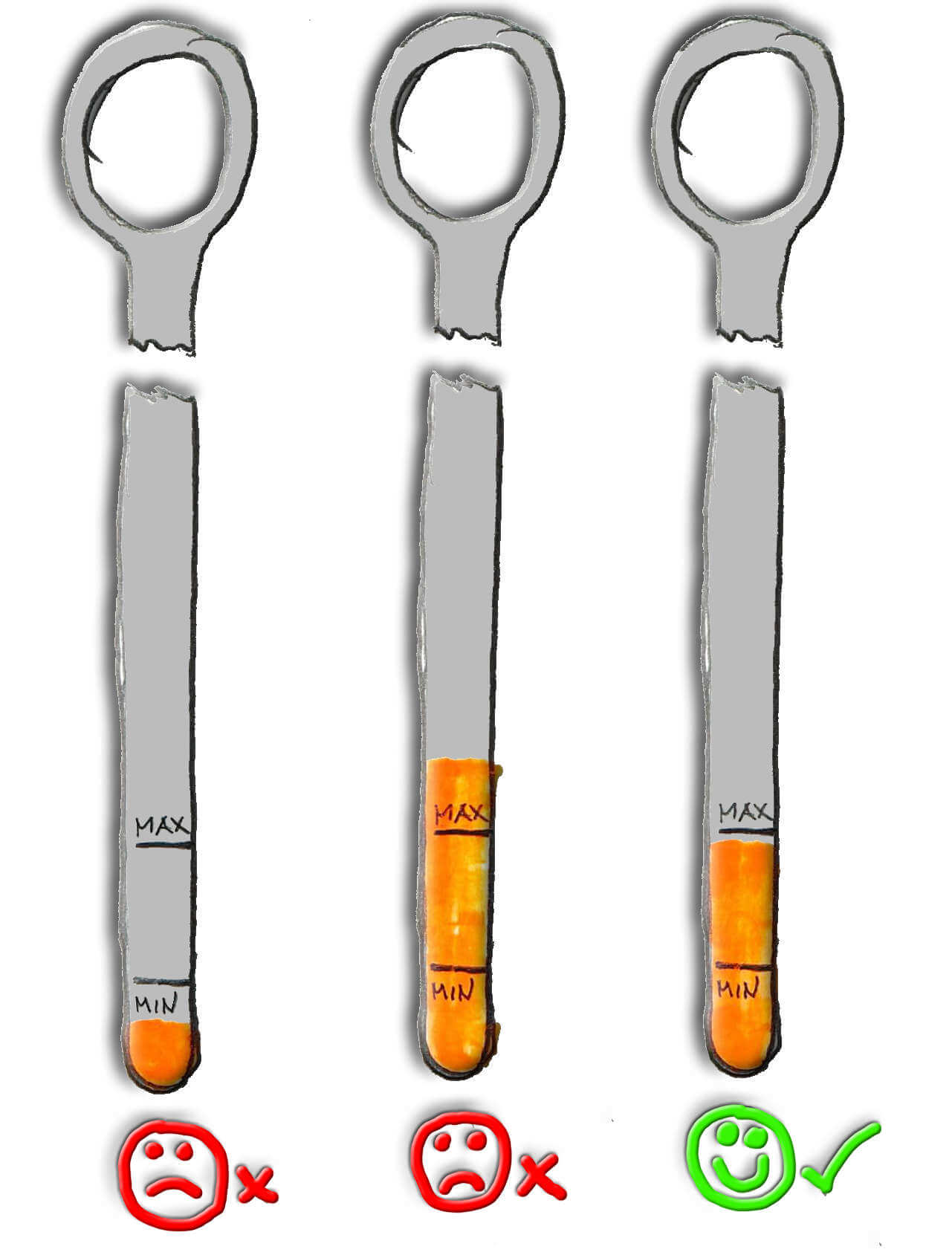
Two marks on the dipstick indicate the optimal range. The top mark means ‘full’, and the bottom mark means ‘add oil’. If the oil streak is between these marks, your level is good.
If it’s below the bottom mark, it’s time to add oil. But beware, overfilling can harm your engine just as much as running low.
Understanding Oil Color And Texture
The oil’s color and texture speak volumes about your engine’s condition. Fresh oil is light amber and transparent. As it ages, it darkens.
If the oil is dark and dirty, it’s time for a change. Dark oil is full of contaminants. These can damage your engine.
The texture also matters. Feel the oil between your fingers. Gritty texture means wear and tear. Smooth oil is a sign of good health.
Keep these tips in mind, and your engine will thank you. A healthy engine means a reliable ride. And that’s what every driver wants.
Effects Of Neglecting Oil Level Checks
Checking engine oil is crucial for your car’s health. Think of it like a doctor’s check-up, but for your vehicle. Neglecting to monitor the oil level can lead to serious problems. Let’s delve into what happens if you ignore this simple maintenance task.
Short-term Consequences
Ignoring oil levels can cause immediate issues. Your car needs oil like we need water. Without enough, things go wrong fast. Here’s what to expect:
- Warning lights: They light up for a reason. Oil pressure might drop, signaling trouble.
- Noisy engine: Low oil causes a ruckus under the hood. It’s metal on metal.
- Poor performance: Expect a sluggish ride. Your car won’t feel the same.
Long-term Engine Damage
Long-term effects are even scarier. Constant neglect is a recipe for disaster. Your car’s future could be at stake. Here’s the damage rundown:
- Engine wear: Parts wear out faster. It’s like running a marathon with no shoes.
- Severe damage: Components can fail. That means big repair bills.
- Decreased life expectancy: Your car won’t last as long. It’s a premature goodbye.
Top-up Vs. Oil Change: Making The Right Decision
Knowing when to top-up or change your engine oil is crucial for maintaining your vehicle’s health. This decision can affect your car’s performance and longevity. Let’s explore the guidelines for each approach.
When To Simply Top-up
Occasionally, your engine might need a little extra oil between changes. Here are clear situations where a top-up is sufficient:
- Minor oil drops on the dipstick below the full mark.
- After long drives where oil consumption is higher.
- No signs of dirty or gritty oil.
Always use the same type of oil already in the engine for consistency.
Signs You Need A Full Oil Change
There are several indicators that suggest a complete oil change is necessary:
| Sign | Description |
|---|---|
| Dark or dirty oil | Oil that is black and gritty needs changing. |
| Engine noise | Increased engine noise can indicate poor lubrication. |
| Oil change light | If this dashboard light illuminates, change the oil. |
| Exceeding mileage | Passing the recommended miles for an oil change necessitates it. |
Regular oil changes keep your engine clean and efficient. Refer to your vehicle’s manual for specific oil change intervals.
Credit: www.gulfoilltd.com
Advanced Tips For Engine Oil Maintenance
Maintaining your engine oil is key to a healthy vehicle. It’s not just about checking levels; it’s about understanding what your engine needs. Let’s dive into some advanced tips that will keep your car running smoothly.
Choosing The Right Oil For Your Engine
Selecting the perfect oil is crucial for your car’s longevity. Here’s what you should consider:
- Viscosity – Make sure it matches your manufacturer’s recommendations.
- Synthetic vs. Conventional – Synthetics offer better performance and protection.
- Oil Additives – These can provide additional benefits like reduced engine wear.
Seasonal Considerations For Oil Checks
Seasons change and so should your approach to oil checks. Here’s a seasonal guide:
| Season | Consideration | Action |
|---|---|---|
| Spring | Warm-up after winter | Check and top up |
| Summer | High temperatures | Use thicker oil |
| Fall | Preparation for cold | Consider a thinner oil |
| Winter | Cold starts | Ensure proper flow |
Leveraging Technology For Maintenance Reminders
Regular checks on your engine oil level are crucial for your vehicle’s health and performance. With the hustle of daily life, it’s easy to overlook routine car maintenance.
Technology steps in to save the day. Modern advancements provide innovative ways to remind you when it’s time to peek under the hood.
Smartphone Apps And Alerts
Smartphone apps are changing the game for vehicle maintenance. These apps serve as your personal car care assistant. Here’s how they help:
- Custom Reminders: Set up alerts for regular oil checks.
- Oil Level Tracking: Log your checks and oil changes over time.
- Service Records: Keep a digital logbook of your car’s maintenance history.
With these features, you’ll never miss an oil check again. Your car’s longevity is in your pocket.
In-car Maintenance Systems
Many modern cars come with built-in maintenance systems. These systems monitor your car’s health and notify you when it’s time for a check-up. Key benefits include:
| Feature | Advantage |
|---|---|
| Dashboard Indicators | Visual alerts when your oil level is low. |
| Automated Alerts | Messages that prompt you to schedule maintenance. |
| System Diagnostics | Detailed reports on your car’s condition. |
These systems offer peace of mind and ensure your vehicle stays in top shape.
Common Myths About Engine Oil Checks
Common Myths About Engine Oil Checks are as widespread as they are misleading. Many drivers follow outdated advice, potentially harming their vehicles. Let’s set the record straight and explore the truths behind these misconceptions.
Debunking The 3,000-mile Myth
The belief that engine oil should be changed every 3,000 miles is a persistent myth. Modern engines and high-quality oils have extended this interval significantly. Consult your vehicle’s manual for the manufacturer’s recommendation.
- Check your manual: The exact interval can vary based on your car’s model and make.
- Monitor driving conditions: Harsh conditions may require more frequent checks.
Synthetic vs. Conventional Oil Myths
Synthetic Vs. Conventional Oil Myths
Choosing between synthetic and conventional oil confuses many. Synthetic oil does not necessarily mean fewer checks or changes.
| Synthetic Oil | Conventional Oil |
|---|---|
| Longer lifespan | More frequent changes |
| Better performance in extremes | May break down faster |
| Check as per manual | Check as per manual |
Despite the type of oil, always adhere to the schedule in your manual. Both oils need regular checks to ensure your engine runs smoothly.
Frequently Asked Questions
How Often Should I Check My Oil Level?
Check your oil level every month and before long trips to ensure your engine runs smoothly. Always consult your vehicle’s manual for specific recommendations.
How Often Do You Need To Top Up Engine Oil?
Check your engine oil level every 3,000 to 5,000 miles or as recommended by your vehicle’s manufacturer. Top up if the level is low. Regular checks ensure optimal engine performance and longevity.
How Many Miles Should You Check Your Oil Level?
Check your oil level every 3,000 to 5,000 miles to ensure optimal engine performance. Regular monitoring helps maintain vehicle health.
How Often Should You Check Your Oil Before Every Drive?
It’s not necessary to check your oil before every drive. Aim to check your oil level every month or every few gas fill-ups.
Always ensure the engine is cool and the car is on level ground for accurate measurement. Regular checks help maintain engine health and performance.
Conclusion
Regular checks on your engine oil are crucial for vehicle longevity and efficiency. Aim to inspect it every month or follow your manufacturer’s guidelines.
This simple routine can prevent costly repairs and ensure your car runs smoothly. Stay proactive about your vehicle’s maintenance to enjoy a safer, more reliable ride.

Sudatta is a passionate automotive enthusiast and expert in the field. With a keen eye for detail and a love for all things automotive, he shares insightful articles and reviews to ignite the automotive passion in readers.