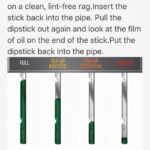
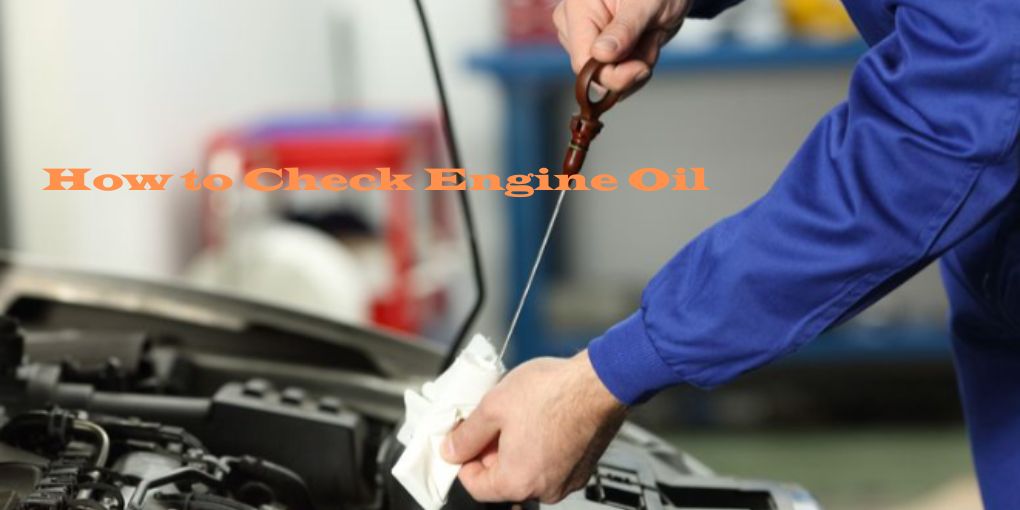
To check engine oil, pull out the dipstick, wipe it clean, reinsert it fully, and then remove it again to examine the oil level. Ensure the engine is cool and the vehicle is on level ground for an accurate reading.
Checking your engine oil is a fundamental aspect of vehicle maintenance that ensures your engine runs smoothly and helps extend its lifespan.
Regular oil checks can prevent engine damage and save on costly repairs. An engine’s oil lubricates moving parts, reduces friction, and helps dissipate heat.
Neglecting oil levels can lead to engine wear, overheating, and eventual breakdown. By making it a habit to inspect your engine oil regularly, you can catch issues early and maintain optimal performance.
This simple task, which takes only a few minutes, can be done at home and should be performed every month or as per the vehicle manufacturer’s guidelines.
The Importance Of Regular Oil Checks
The Importance of Regular Oil Checks cannot be overstated. Engine oil is the lifeblood of your vehicle. It lubricates, cools, and cleans the engine, ensuring everything runs smoothly.
Neglecting oil checks can lead to serious car troubles. Regular oil inspections safeguard the engine and maintain your car’s performance.
Prevent Engine Damage
Engine oil degrades over time. Without regular checks, old oil can cause wear and tear. This leads to engine damage. A simple oil check can prevent costly repairs. Here’s why:
- Lubrication: Fresh oil reduces friction between moving parts.
- Cooling: Oil carries heat away from critical components.
- Cleaning: Oil collects dirt and debris, keeping the engine clean.
Maintain Vehicle Performance
Engine oil impacts how well your vehicle performs. Good oil equals better performance. Here’s what regular oil checks do:
- Maintain fuel efficiency.
- Ensure smooth engine operation.
- Extend the life of your engine.
By checking your oil, you ensure your car runs at its best.

Credit: in.pinterest.com
Essential Tools For Checking Engine Oil
Before diving into the process of checking your engine oil, it’s crucial to gather all the necessary tools. This ensures a smooth and accurate check.
Locating The Dipstick
Finding the dipstick is step one. It’s a long, thin rod located under the hood. It often has a bright handle. This handle typically features a loop or T-shape for easy pulling. The dipstick sits in a tube that runs into the oil pan. Pulling it out lets you check the oil level and quality.
Other Supplies You Might Need
While the dipstick is the main tool, you might need additional items:
- Clean Cloth: Wipe the dipstick clean.
- Gloves: Keep hands clean from oil.
- Funnel: Add oil without spills, if needed.
- Engine Oil: Top up oil if it’s low.
Remember, checking the oil when the engine is cool is best. This ensures accurate readings and safety.
Ideal Conditions For An Accurate Oil Check
Checking your engine oil is crucial for maintaining a healthy car. To get a precise reading, certain conditions are essential. Let’s explore the ideal situations for checking your engine oil.
Engine Temperature
Wait for the engine to cool before checking the oil. A hot engine can give a false reading. Ideally, check the oil after the car has been off for a few hours. This gives the oil time to settle back into the sump, providing an accurate level on the dipstick.
Vehicle Parking Position
The parking position affects the oil level reading. Park on a level surface to ensure the oil in the pan levels out. An incline or decline can shift the oil, leading to an inaccurate measurement. Use a level, such as a garage floor, for the best results.
- Turn off the engine and wait.
- Ensure the car is on a flat surface.
- Wait for the engine to cool down.
Remember, checking your oil under these conditions not only helps maintain your vehicle but also prevents engine damage. Regular checks keep your car running smoothly.
Step-by-step Guide To Checking Oil Levels
Knowing how to check your car’s engine oil is crucial for maintaining its health. A simple check can prevent major engine problems. Let’s dive into the steps to ensure your engine oil level is just right.
Pulling Out The Dipstick
First, ensure your vehicle is on level ground and the engine is cool. Open the hood and locate the dipstick, often marked with a bright handle. Gently pull it out, holding it at the end.
Cleaning And Reinserting The Dipstick
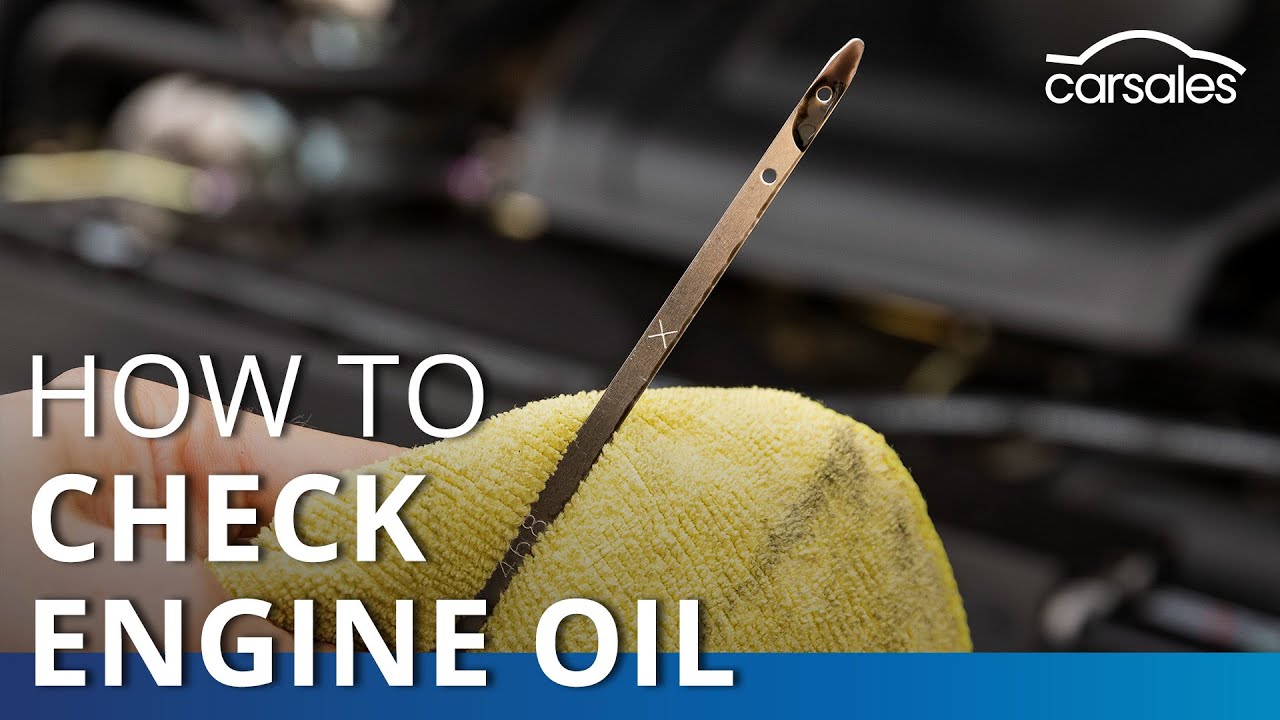
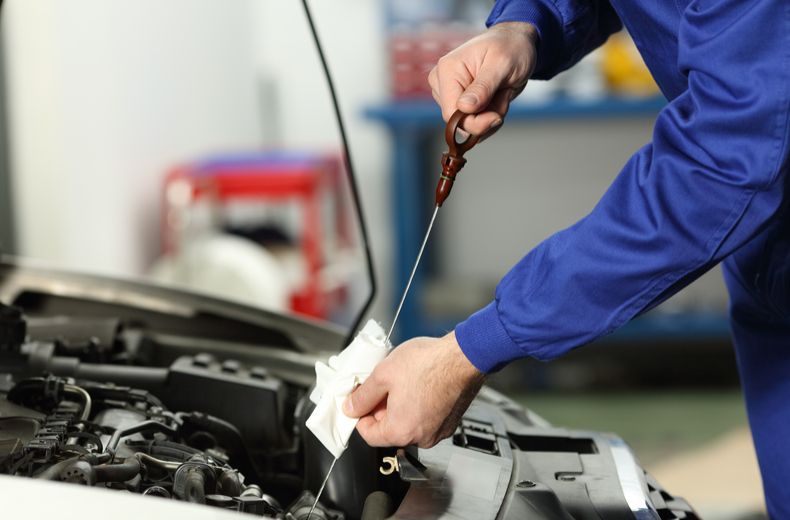
Use a clean rag or paper towel to wipe the dipstick clean. This ensures you get an accurate reading. Carefully reinsert the dipstick all the way back into its tube. Then, pull it out again.
Reading The Oil Level
Now, look at the tip of the dipstick. You will see markings or notches. If the oil streak is between the high and low marks, your oil level is good. If it’s below, you need to add oil.
- Check the color: Fresh oil is light amber and darkens with age.
- Check for particles: Clean oil should not have any visible particles. Gritty or dirty oil needs changing.
Maintaining proper oil levels protects your engine and ensures your car runs smoothly. Regular checks are the key to vehicle longevity.
Interpreting The Oil Quality
Knowing how to interpret oil quality is crucial for maintaining your engine. A check can reveal the health of your engine. Let’s dive into what the oil’s color and clarity, as well as signs of contamination, tell us about its condition.
Color And Clarity
Good engine oil should have a certain look. It starts off with a golden brown color and gets darker with use. To check, pull out the dipstick, wipe it, dip it back in, and hold it up to a light source. Clear oil is good, but if it’s dark or opaque, it might be time to change it.
Signs Of Contamination
Contamination can harm your engine. Look for these signs:
- Metal particles: Small shiny specks in the oil could mean internal wear.
- Antifreeze: A milky, frothy oil indicates a coolant leak.
- Dirt and debris: These can show up as tiny particles or clumps in the oil.
If you spot these, seek a professional mechanic for advice.
When To Top Up Vs. Change The Oil
Knowing when to top up or change your engine oil is vital. It ensures your car runs smoothly. Regular checks avoid engine damage. This guide makes it easy. Follow these steps to maintain your car’s health.
Assessing Oil Level On The Dipstick
Start with the dipstick to check oil levels. Here’s how:
- Turn off the engine and wait for it to cool.
- Find the dipstick and pull it out.
- Wipe it clean, reinsert it fully, then pull it out again.
- Check where the oil marks the stick.
If the oil is between the marks, it’s good. If below, it needs a top-up. Dark, dirty oil means a change is due.
Understanding Oil Viscosity And Type
Oil type matters for your engine’s health. Viscosity is its thickness. Your car manual suggests the right oil.
| Viscosity | Temperature | Type |
|---|---|---|
| Low | Cold | Synthetic |
| High | Hot | Conventional |
Choose synthetic oil for cold weather. Use conventional oil in heat. Always match your car’s needs.
Tips For Topping Up Engine Oil
Keeping your car’s engine in top shape includes maintaining its oil. Here are essential tips for topping up your engine oil correctly.
Choosing The Right Oil
Choosing the correct oil type is crucial for your car’s health. Check your car’s manual to find the recommended oil. Different engines need different types of oil. Using the wrong oil can harm your engine.
- Check the viscosity: Your car manual will specify this.
- Consider the climate: Some oils are better in cold weather, others in hot.
- Look for quality marks: Labels like API or ACEA indicate good quality.
Adding Oil To Your Engine
Once you have the right oil, the next step is to add it properly. Never overfill as it can damage the engine.
- Turn off the engine: Ensure the engine is cool to avoid burns.
- Find the dipstick: Pull it out and wipe it clean.
- Check oil level: Insert the dipstick back, pull it out and check the level.
- Add oil if needed: If the level is low, add a bit of oil.
- Check level again: Repeat until the dipstick shows full.
Use a funnel to avoid spills while adding oil. Spills can burn off and cause smoke, or even catch fire. Always check for leaks after adding oil. A leak can lead to serious engine damage.
| Step | Action | Check |
|---|---|---|
| 1 | Turn off engine | Ensure engine is cool |
| 2 | Locate and clean dipstick | Prepare for accurate measure |
| 3 | Check oil level | Confirm if top-up is needed |
| 4 | Add oil gradually | Avoid overfilling |
| 5 | Recheck oil level | Ensure optimal fill |
Following these steps will help keep your car’s engine running smoothly. Always use the recommended oil and fill cautiously to maintain engine performance and longevity.
Credit: m.youtube.com
Common Misconceptions About Oil Checks
Checking engine oil is simple, but many get it wrong. Let’s bust those myths!
Frequency Of Oil Checks
Many drivers wait too long between oil checks. Your car needs regular oil checks. Don’t just rely on the service light.
- Check monthly for most cars.
- Some models may need more frequent checks.
- Always check before a long trip.
Myths About Synthetic Vs. Conventional Oil
Synthetic oil and conventional oil have different myths attached.
| Synthetic Oil | Conventional Oil |
|---|---|
| Not always needed for new cars. | Not harmful for older models. |
| Lasts longer than conventional. | Change it more often. |
| Better at extreme temperatures. | Works well under normal conditions. |
Remember, your car manual is the best guide for oil requirements.
Troubleshooting Oil Check Issues
Regular oil checks keep engines healthy. Sometimes, you may face issues checking your oil. This guide helps solve common problems. Let’s fix them together!
Dealing With A Stuck Dipstick
A dipstick that won’t budge is frustrating. Don’t yank too hard! Try these steps:
- Wiggle the handle gently to loosen it without force.
- Clean around the dipstick tube. Dirt can cause sticking.
- Use pliers, but grip carefully to avoid damage.
- If it’s still stuck, your car may need a mechanic’s touch.
Reading Unclear Oil Level Indicators
Oil levels should be clear on the dipstick. Here’s what to do if they’re not:
- Wipe the dipstick clean and reinsert it for a fresh read.
- Check the oil in a well-lit area or use a flashlight.
- Hold the dipstick flat against a white cloth for contrast.
- If the oil is dark or dirty, consider an oil change.
Remember, clear readings lead to a well-maintained engine.
How To Dispose Of Used Engine Oil
Changing your car’s engine oil is crucial. But, what happens to the old oil? Proper disposal is key. Let’s dive into the right way to handle used engine oil.
Environmental Considerations
Used engine oil can harm the environment. It’s toxic. A single quart can pollute millions of gallons of fresh water. We must protect nature. Keep oil out of soil and waterways. It’s about being responsible.
Safe Disposal Methods
Never pour oil down drains or on the ground. That’s illegal. It’s harmful. Always opt for safe disposal. Here’s how:
- Use a container: Seal old oil in a clean, plastic container with a tight-fitting lid.
- Find a recycling center: Many auto shops and recycling centers accept used oil. Drop it off there.
- Oil-change services: Some places can change your oil and handle the old oil, too.
Remember, reusing and recycling oil is possible. It saves energy. It helps the planet. Make the right choice.
Credit: www.rac.co.uk
Frequently Asked Questions
Do You Check The Oil When The Engine Is Hot Or Cold?
Check the oil with the engine cold to ensure accuracy. Cold readings allow oil to settle, providing a precise measurement.
What Is The Proper Way To Check Oil In A Car?
To check your car’s oil level, follow these steps: Park on level ground and wait for the engine to cool. Pull out the dipstick, wipe it clean, reinsert it fully, and then remove it again to check the oil level against the marked indicators.
How To Tell If Engine Oil Is Low?
Check the dipstick level; if it’s below the minimum mark, your engine oil is low. Warning lights on your dashboard may also indicate low oil levels.
How Much Oil Should Be On The Dipstick?
Oil on the dipstick should reach the “full” mark. Ensure the oil is clear and does not exceed this line for optimal engine performance. Check regularly to maintain proper oil levels.
Conclusion
Regularly checking your engine oil is crucial for maintaining your vehicle’s health. Ensure you follow the proper steps to avoid costly repairs. Remember, using the correct oil type extends your engine’s lifespan. So, grab your dipstick, and let’s keep those engines running smoothly!

Sudatta is a passionate automotive enthusiast and expert in the field. With a keen eye for detail and a love for all things automotive, he shares insightful articles and reviews to ignite the automotive passion in readers.