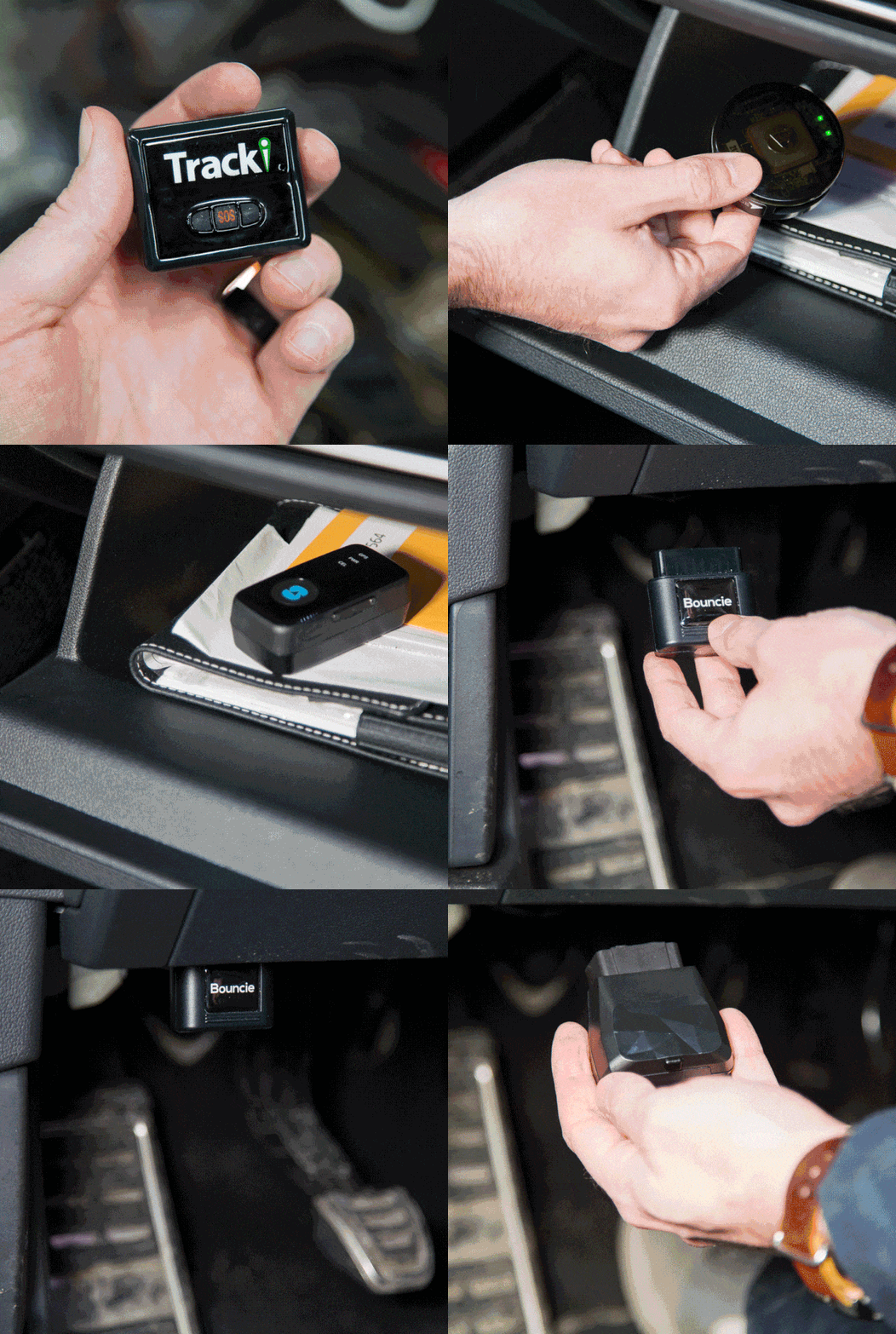
To locate your car GPS tracker, check beneath the vehicle or within hidden areas of the interior. Often, it’s installed under the dashboard or in the glove compartment.
Identifying the precise location of a GPS tracker in your car can be crucial for maintaining privacy and security. Many vehicle owners use GPS trackers for theft prevention and fleet management. Such devices are typically small and discreet, making them challenging to find without a thorough search.
They can be professionally installed or placed by an individual. For personal vehicles, the most common spots include under the dashboard, near the wheels, or attached to the undercarriage. It’s essential to be aware that some trackers are designed to be easily moved, while others are hardwired into the car’s electrical system. Regular inspection of these areas can help ensure that your vehicle’s whereabouts are known only to you.
Credit: www.reddit.com
The Rise Of Gps Tracking
Imagine knowing where everything is at any moment. That’s what GPS tracking offers. Cars, pets, and even keys can now be found with a simple tap on a screen. The technology has evolved rapidly, making it accessible to almost everyone. This rise in GPS tracking use brings many benefits, such as increased safety and theft prevention. Yet, it also raises important questions about personal privacy and legal concerns.
Personal Privacy Concerns
With every new technology, privacy takes center stage. GPS trackers can provide peace of mind, but they also pose risks to personal privacy. Individuals may feel their every move is being monitored. This can lead to a sense of constant surveillance. The misuse of GPS trackers can result in unwanted tracking, a clear invasion of privacy.
- Unauthorized tracking of people without consent
- Potential for misuse by stalkers or criminals
- Data breaches may expose sensitive location information
Legal And Ethical Implications
The law often struggles to keep pace with technology. GPS tracking exists in a grey area legally. Users must navigate complex laws that vary by location. This uncertainty leads to ethical dilemmas. For instance, when is it acceptable to track someone’s car? Companies and individuals must consider these implications carefully.
| Aspect | Legal Consideration | Ethical Consideration |
|---|---|---|
| Consent | Is it required by law? | Is it morally right to track without it? |
| Notification | Must users be informed? | Should users be informed regardless of law? |
| Usage | What purposes are legal? | What purposes are ethical? |
Understanding these concerns is crucial for responsible use of GPS tracking technology. Users must ensure they respect privacy and adhere to legal standards.
Common Types Of Gps Trackers
Have you ever wondered how to keep track of your car? Knowing about different GPS trackers can help. GPS trackers come in various types. Each type has its own features. Let’s explore the common types you might find.
Data Loggers
Data loggers are simple GPS devices. They record your car’s location over time. You can’t see this info in real-time. You must connect the logger to a computer to see the data. They work well for tracking past trips.
Real-time Trackers
Real-time trackers show your car’s location live. You can use your smartphone or computer to check it. These devices often need a monthly fee. They are great for instant tracking.
Obd Ii Devices
OBD II devices plug into your car’s OBD port. This port is under the dashboard. These trackers give you real-time data. They also share info about the car’s health. Many people use them for quick updates.
| Type | Feature | Best For |
|---|---|---|
| Data Loggers | Records location history | Reviewing past routes |
| Real-Time Trackers | Live location tracking | Immediate updates |
| OBD II Devices | Real-time data and car diagnostics | Monitoring car health |
- Data loggers are cost-effective.
- Real-time trackers may require a subscription.
- OBD II devices offer extra car insights.
Potential Motives For Tracking
People use GPS trackers for many reasons. Understanding why can help you make the best choices.
Fleet Management
Businesses track vehicles to improve operations. This includes:
- Saving fuel: GPS helps find the shortest routes.
- Improving safety: Managers know if drivers speed or brake too hard.
- Better scheduling: Businesses can update customers on deliveries in real time.
These factors lead to happier customers and lower costs.
Parental Control
Parents use GPS to ensure their children’s safety. They can:
- Check the location of the family car.
- Set boundaries with real-time alerts.
- Monitor driving habits to teach safety.
This keeps young drivers safe.
Suspicious Partners
Sometimes, people track cars to check on their partners. This is a sensitive issue. They might:
| Reasons | Actions |
|---|---|
| Trust issues | Install a tracker without knowledge |
| Confirm suspicions | Check location history |
This method can lead to privacy concerns.
How Trackers Are Installed
Knowing where your car is at all times can be crucial. A GPS tracker makes this possible. Yet, where and how do you install one? Installation can vary widely. It ranges from professional services to do-it-yourself kits. Both have their own benefits. Let’s dive into how these tiny gadgets can be tucked away in your vehicle.
Professional Vs. Diy Installation
Professional installation ensures your tracker is hidden and secure. Experts know the best spots. They wire the device into your car’s electrical system. This way, it’s hard to tamper with. On the other hand, DIY kits are less costly and come with instructions. They often use a simple plug-and-play approach. You can install them in minutes. No special tools are needed.
- Professional: Expert fitment, hidden wiring, secure placement.
- DIY: Cost-effective, user-friendly, quick setup.
Concealment Tactics
Concealment is key for effective tracking. You want your tracker hidden from plain sight. Professionals might place it inside dashboards or under seats. Some even install them in the engine bay. DIY enthusiasts can find creative spots too. Think inside bumper lips or glove boxes.
| Location | Pros | Cons |
|---|---|---|
| Under the Car | Hard to spot | Exposed to elements |
| Inside Dashboard | Protected from weather | Complex installation |
| Glove Box | Easy access | May be discovered easily |
Choose a location that balances accessibility and stealth. Think about maintenance too. Battery-powered trackers need easy access for charging. Hardwired options should be near a power source. Always ensure your tracker’s antenna has a clear view to the sky for a strong signal.
Signs Of A Hidden Gps Tracker
Concerned about a hidden GPS tracker on your car? You’re not alone. Many drivers worry that their privacy might be compromised. Recognizing the signs of a hidden GPS tracker is crucial for maintaining your privacy and security. Let’s delve into the indicators that suggest the presence of a stealthy tracking device on your vehicle.
Unusual Vehicle Behavior
If your car starts to act oddly, it might be a clue. Watch for these behaviors:
- Strange Noises: Unfamiliar beeping or buzzing.
- Electronic Interference: GPS trackers can cause disruptions on your car radio or phone.
Physical Inspection Tips
Performing a thorough check of your car is key. Here are tips to uncover hidden GPS trackers:
- Look under the car. Check the wheel wells and under the chassis.
- Examine the interior. Inspect under seats and within glove compartments.
- Check the OBD-II port. Trackers may plug directly into this diagnostic port.
Use a flashlight and mirror for hard-to-see areas. Be methodical in your search.
Sweeping For Electronic Bugs
Sweeping for Electronic Bugs involves searching for hidden GPS trackers. These devices can compromise your privacy. They might be in your car without your knowledge. This process is crucial for ensuring your car remains your private sanctuary.
Using Bug Detectors
Bug detectors are tools that find electronic devices. They work by detecting signals. This includes GPS trackers emitting radio frequencies. Using a bug detector involves:
- Scanning your car. Move the detector around your vehicle.
- Listening for beeps. The detector beeps more near a bug.
- Checking odd spots. Look under seats and dashboards.
Remember to check both inside and outside your car. Trackers can be small and hidden anywhere.
Consulting Professionals
If you’re unsure about using bug detectors, professional help is available. Experts in electronic sweeps can:
- Perform thorough checks. They use advanced tools.
- Identify all device types. This includes newer, sophisticated bugs.
- Offer peace of mind. They ensure your car is tracker-free.
Professionals bring experience to the table. They find bugs more effectively. Their services are worth considering for guaranteed results.
Legal Recourse And Removal
Finding a GPS tracker on your car can be unsettling. You may wonder about your privacy rights. You may also want to know how to get rid of the device. This section of our blog post will explore the legal aspects. We will also provide a guide to disable any unwanted GPS trackers.
Understanding Your Rights
Your privacy is important. In many places, it’s illegal to track someone without consent. This includes using a GPS device on a car you own. If you discover a tracker, you might have a case for legal action.
Here’s a quick overview of your rights:
- Consent: Tracking without consent can be a violation.
- Ownership: If you own the vehicle, it’s usually your call on tracking.
- Reporting: You can report unauthorized tracking to the police.
Check your local laws for specifics, as they can vary.
Procedures To Disable Trackers
Disabling a GPS tracker requires careful steps. Here’s a simple guide to help:
- Locate the device: Check common hiding spots like the wheel wells, trunk, and under the hood.
- Unplug: If it’s hardwired, disconnect the power supply.
- Remove the battery: Some trackers have their own power source.
If you’re unsure, consult a professional. Mechanics can find and disable trackers safely.
Note: Tampering with a tracker could be illegal if you don’t own the car. Always ensure you have the right to remove it.
Protect your privacy and take control. Know your rights and the proper steps to disable unwanted GPS trackers on your vehicle.
Preventing Future Intrusions
Securing your vehicle against theft is crucial. Understanding and implementing effective security measures can make a significant difference. This section explores various strategies to safeguard your car and legal protections that support these efforts.
Security Measures For Your Vehicle
Enhance your car’s safety with these practical steps:
- Install a high-quality GPS tracker. Choose a hidden spot for installation.
- Use steering wheel locks. They make your car harder to steal.
- Install an alarm system. It alerts you and scares thieves.
- Use dash cams. They record all activities around your vehicle.
Regularly check these systems to ensure they work well.
Legal Protections
Know the laws that protect your vehicle:
| Law | Description | Benefit |
|---|---|---|
| Anti-theft laws | Penalties for vehicle theft | Reduces theft cases |
| Privacy laws | Regulate GPS tracking usage | Ensures ethical tracking |
Always follow these laws to avoid legal issues. Seek legal advice to understand these protections better.
Technological Advancements In Tracking
Keeping track of vehicles has never been easier. Modern GPS technology has revolutionized the way we monitor our cars. Whether for personal security, fleet management, or theft prevention, advancements in tracking systems have significantly improved.
Emerging Gps Technologies
GPS tracking technology is evolving rapidly. New features and capabilities are emerging, making trackers more efficient and discreet. Here are some of the latest advancements:
- Real-time tracking for instant location updates
- Geofencing alerts when a vehicle enters or leaves a designated area
- Miniaturization making devices smaller and easier to hide
- Increased battery life for longer operation
The Future Of Personal Tracking
The future of personal tracking is looking more integrated and user-friendly. Anticipate these trends:
| Trend | Description |
|---|---|
| Smart Connectivity | Trackers will connect with smartphones and smart home devices seamlessly. |
| AI Integration | Artificial Intelligence will predict patterns and suggest optimal routes. |
| Improved Precision | Advances in GPS technology will provide even more accurate location data. |
Wearable tech with built-in trackers will become more common, keeping loved ones and valuables safe.

Credit: www.amazon.com

Credit: www.amazon.com
Frequently Asked Questions
How Can I Find Out If There Is A Gps Tracker On My Car?
To find a GPS tracker on your car, inspect the exterior, particularly the undercarriage, and interior for unusual devices. Check the wheel wells, under the bumper, and behind the dashboard. For a thorough search, consult a professional mechanic or a car security expert.
Can A Cell Phone Detect A Gps Tracker?
Yes, a cell phone can detect a GPS tracker through various dedicated applications that scan for nearby Bluetooth or radio frequency signals.
Where Is The Gps Located On My Car?
The GPS device in a car is typically integrated into the dashboard or infotainment system. Some models may have it beneath the windshield or on the rear deck. Always refer to your vehicle’s manual for the exact location.
How Do I Block Gps Tracking On My Car?
To block GPS tracking on your car, use a GPS jammer or wrap the device in aluminum foil. Alternatively, disable the unit’s battery or remove it entirely. Always ensure these actions comply with local laws.
Conclusion
Navigating the maze of car GPS tracker options can be daunting. Yet, finding the perfect device enhances security and peace of mind. Remember, the right tracker is out there, tailored for your needs. Trust in your choice and drive with confidence, knowing you’re on the right track.

Sudatta is a passionate automotive enthusiast and expert in the field. With a keen eye for detail and a love for all things automotive, he shares insightful articles and reviews to ignite the automotive passion in readers.