Change your transmission fluid every 30,000 to 60,000 miles. Manufacturers’ recommendations may vary, so consult your owner’s manual.
Understanding the importance of maintaining your vehicle’s transmission system is crucial for its longevity and performance. Transmission fluid acts as a lubricant for the moving parts within your vehicle’s gearbox. Over time, this fluid can degrade or become contaminated, which can lead to transmission wear or failure.
Regularly changing the transmission fluid ensures your car shifts gears smoothly and prolongs the life of the transmission. Many factors, such as driving habits and environmental conditions, can affect how often this maintenance task needs to be performed.
It is also essential for vehicle owners to recognize the type of transmission their vehicle has, as this can influence the service intervals. Always check your vehicle’s specific guidelines to stay on top of this vital maintenance schedule.
Significance Of Regular Transmission Fluid Changes
Regular transmission fluid changes are vital for any vehicle. They ensure smooth gear shifts and protect the transmission’s intricate parts. Think of it as the lifeblood of your car’s transmission system.
Just like the human body needs clean blood to function, your car needs fresh transmission fluid to operate smoothly. Performing timely changes prevents wear and tear on the transmission, saves money on potential repairs, and keeps your ride running flawlessly.
Role Of Transmission Fluid
Transmission fluid has key roles in a vehicle:
- Lubrication: It reduces friction between the moving parts within the transmission.
- Cooling: It dissipates heat generated by the engine and transmission system.
- Cleanliness: It helps remove dirt and metallic filings that accumulate over time.
Risks Of Neglecting Fluid Replacement
Failing to replace transmission fluid can cause:
- Overheating: Old fluid can’t cool the transmission effectively, resulting in overheating.
- Component Failures: Without proper lubrication, parts can wear out faster or break.
- Sluggish Performance: Contaminated fluid can lead to a sluggish, unresponsive transmission.
- High Repair Costs: Over time, neglect can lead to costly transmission repairs or replacement.
Credit: www.endurancewarranty.com
Decoding The Transmission Fluid Change Interval
Figuring out the right time to change your transmission fluid can be puzzling. Like decoding a secret message, understanding when to get a transmission flush involves exploring various clues. Your car’s gearbox is picky about its oil, just like engines are about theirs.
Unpacking the mystery involves a rulebook provided by your car’s maker and a few tell-tale signs from everyday driving. Let’s dive into this automotive riddle.
Manufacturer’s Recommendations
The owner’s manual is your treasure map for car care. Open it, and find the golden rule for fluid swaps. Each vehicle has a unique interval. Most manuals list it under maintenance schedules.
Stick to this like glue. The manual might say every 30,000 to 60,000 miles. Newer cars may even boast 100,000 miles before a change.
| Vehicle Type | Change Interval |
|---|---|
| Standard Car | 60,000 miles |
| Heavy-Duty Use | 30,000 miles |
| Modern Models | 100,000 miles+ |
Variables Affecting Change Frequency
Life isn’t always as planned. Your driving habits can shorten or extend the fluid’s lifespan. Here’s what comes into play:
- Driving Conditions: Stop-and-go traffic, mountain roads, heavy loads? Harder use means earlier changes.
- Transmission Type: Manual or automatic? Manual might need more frequent changes.
- Fluid Type: Synthetic fluids usually last longer than conventional ones.
- Weather Patterns: Hot or cold extremes stress your fluid more.
Consider these as custom mods to the manufacturer’s baseline. They tailor the change interval to your real-world usage. Your mechanic can help here—think of them as your codebreaker.
Transmission Types And Fluid Change Protocols
Knowing when to change your transmission fluid depends on the type of transmission your vehicle has. Understanding your vehicle’s needs can save you from costly repairs. In this guide, we dive into protocols for different transmission types.
Manual Vs. Automatic Systems
Manual and automatic transmissions require different care. Manual transmissions often need fluid changes less frequently. The suggested interval can range between 30,000 to 60,000 miles or every two to four years.
Automatic transmissions may need fluid changes more often. A service interval of 60,000 to 100,000 miles is common. Yet, some manufacturers now recommend against changing automatic fluid, opting for a ‘lifetime’ fluid.
Special Considerations For Cvts
Continuously Variable Transmissions (CVTs) have special requirements. They use a specific type of fluid. You should not use traditional automatic transmission fluid in CVTs.
For these, changes every 30,000 to 40,000 miles can often be best. Always check your vehicle’s manual for exact recommendations. Never blend fluids or use unapproved additives as it could damage your CVT.
| Transmission Type | Change Interval |
|---|---|
| Manual | 30,000 – 60,000 miles |
| Automatic | 60,000 – 100,000 miles |
| CVT | 30,000 – 40,000 miles |
Understanding Your Driving Habits
Understanding your driving habits is key to maintaining a healthy transmission. It’s not just about the number of miles you drive, but how you drive them. Let’s dive into what this means for your car’s vital fluids.
Impact Of Severe Driving Conditions
Your vehicle faces a tough workout under certain conditions. Stop-and-go traffic, heavy towing, and hot or cold climates stress your transmission. These are ‘severe driving conditions’.
- City driving with lots of traffic lights.
- Towing trailers or carrying heavy loads.
- Hilly terrain or off-road use.
- Extreme temperatures, hot or cold.
All these factors affect how often you should change your transmission fluid.
Adjusting The Change Interval Accordingly
Consider your driving patterns when planning transmission maintenance. If you frequently face severe conditions, shorten your fluid change intervals. This protects your transmission from wear and damage.
| Driving Condition | Change Interval |
|---|---|
| Normal Conditions | Every 60,000 to 100,000 miles |
| Severe Conditions | Every 30,000 to 60,000 miles |
Check your vehicle’s manual for specific recommendations. Stay proactive and keep your transmission running smoothly.
Symptoms Of Aging Transmission Fluid
Your vehicle’s transmission fluid is crucial for smooth gear shifts and overall transmission health. Like any other fluid in your car, it has a lifespan. Spotting aging transmission fluid early can save you from costly repairs. Pay close attention to these symptoms:
Color, Smell, And Texture Indicators
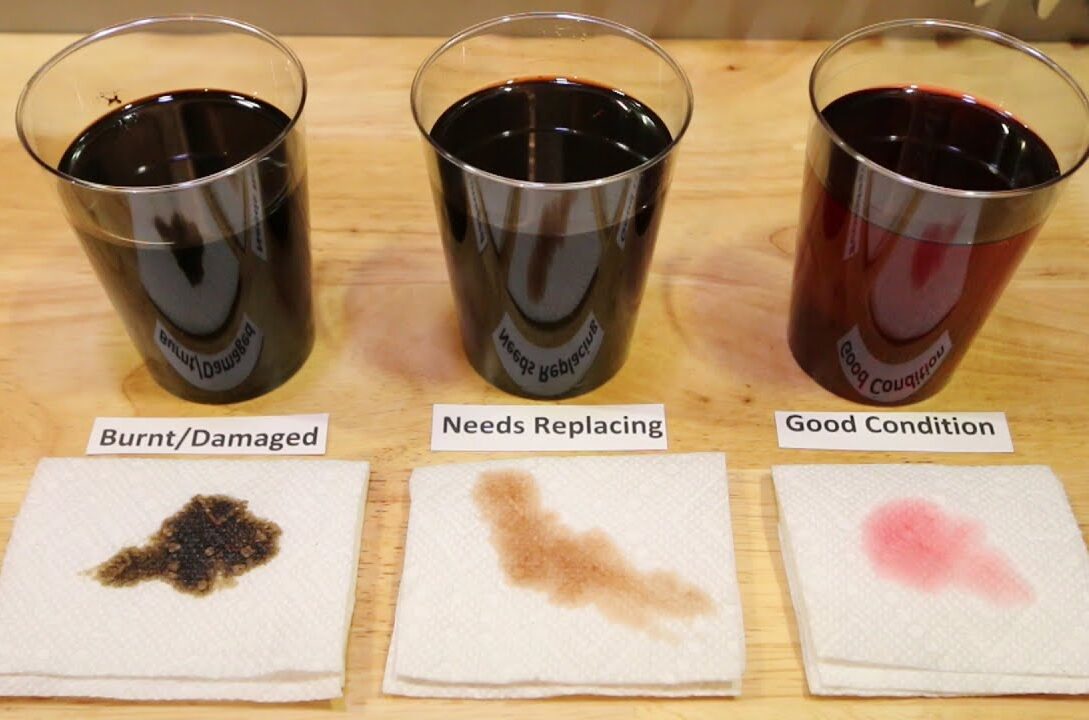
A fresh transmission fluid typically has a bright red color, a neutral smell, and a smooth texture. As it ages, these qualities change dramatically:
- Brownish or dark red color suggests fluid deterioration.
- A burnt odor points to overheated fluid.
- If the fluid feels gritty or rough, contaminants are present.
Vehicle Performance Warning Signs
Transmission fluid in poor condition can lead to noticeable vehicle issues:
- Sluggish shifting: Hesitation or delay during gear changes.
- Gear slipping: The car struggles to stay in gear.
- Unusual noises like whining during acceleration.
- Surging or stalling: The vehicle randomly speeds up or stalls.
Bold these key signs your transmission fluid needs a change. Acting fast can save your transmission from damage. Regular fluid checks are a part of good car maintenance habits.
| Condition | What to Look For |
|---|---|
| Color | Brown/Dark Red |
| Smell | Burnt Odor |
| Texture | Gritty/Rough |
%202.jpg)
Credit: foreigncarspecialistsny.com
Diy Vs. Professional Service
Deciding between a DIY approach or a professional service for changing transmission fluid is crucial. It can affect your vehicle’s performance and longevity.
Pros And Cons
Let’s weigh the options:
| DIY | Professional Service | |
|---|---|---|
| Cost | Lower, but requires personal time | Higher, but no personal time needed |
| Expertise | Limited unless experienced | Done by trained technicians |
| Convenience | On your own schedule | Need to schedule an appointment |
| Risk | Potential for errors | Handled by professionals |
| Equipment | Must own or buy | Service center has all tools |
What To Expect At The Service Center
A professional service ensures a thorough job with up-to-date equipment. Here’s what happens:
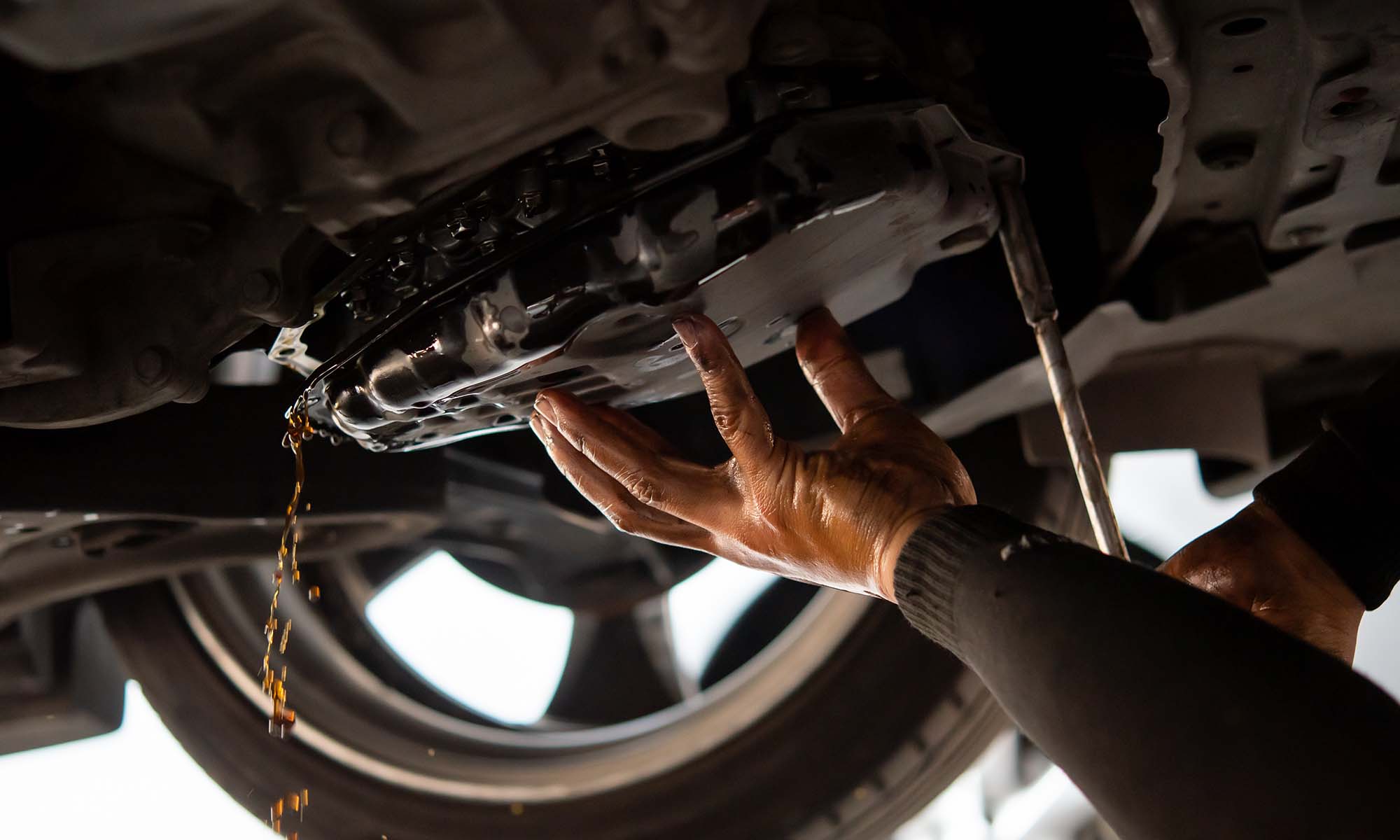
- Techs check your vehicle’s transmission fluid level and quality.
- They drain the old fluid and remove the transmission filter.
- A new filter is installed, if necessary.
- Fresh fluid is added, following your vehicle’s specifications.
- Finally, they test drive to ensure everything works smoothly.
Costs And Factors Influencing Price
Understanding the costs and factors influencing the price of changing transmission fluid is crucial for vehicle maintenance. Several variables can affect the expense, from the type of vehicle you drive to the service provider you choose.
Average Service Charges
On average, transmission fluid changes can cost anywhere from $80 to $250. However, this range varies widely based on several things:
- Vehicle make and model
- Type of transmission fluid required
- Local labor rates
Labor constitutes a significant portion of the price. Dealerships might charge more than independent shops, but they often use OEM parts.
| Service Provider | Average Cost |
|---|---|
| Dealership | $120 – $250 |
| Independent Shop | $80 – $150 |
| DIY | $40 – $90 (materials only) |
Long-term Savings From Regular Changes
Regularly changing transmission fluid extends your transmission’s life. Ignoring maintenance can lead to costly repairs. Consider these long-term savings:
- Prevention of transmission failures
- Improved vehicle performance
- Better fuel efficiency
Maintaining your transmission through regular fluid changes could save thousands in potential repairs or replacements.

Credit: mobiloneiowa.com
Environmental Considerations
Thinking about the environment is vital when changing transmission fluid. Regular maintenance keeps cars running well and nature clean. This part will discuss how to care for Earth while maintaining your vehicle.
Proper Disposal Of Old Fluid
Used transmission fluid can harm the environment. It’s crucial to prevent fluid from entering the ground or waterways. Do not pour old fluid down the drain or on the ground. Instead, follow these steps for safe disposal:
- Drain carefully: Use a clean pan to catch old fluid; avoid spills.
- Store properly: Transfer fluid into a sealable container, label it.
- Recycle: Take the old fluid to an auto shop or a recycling center that accepts it.
Local waste facilities often provide clear instructions. Follow them strictly for preservation of nature.
Using Eco-friendly Transmission Fluid
Selecting eco-friendly transmission fluid is another critical step. It’s designed to be less harmful to the environment. Consider these benefits when using green fluid:
- Biodegradable: Breaks down faster without polluting.
- Less toxic: Safer for wildlife and plants.
- Improved efficiency: Helps increase fuel economy, which reduces emissions.
Some brands offer synthetic fluids, which last longer. This reduces waste and the frequency of changes. Always read labels to find the most sustainable option.
Frequently Asked Questions
How Do I Know If My Transmission Fluid Needs To Be Changed?
Check your transmission fluid’s color and consistency; it needs changing if it’s dark, gritty, or smells burnt. Also, watch for unusual transmission noises or shifting problems, which can signal old or low fluid levels.
Is Transmission Fluid Change Necessary?
Yes, changing transmission fluid is essential for vehicle maintenance. It ensures smooth shifting and extends the transmission’s lifespan. Regular fluid changes follow the manufacturer’s recommendations.
What Happens If You Don’t Change Your Transmission Fluid?
Neglecting to change your transmission fluid can lead to poor gear shifting, overheating, and potentially significant transmission damage, resulting in costly repairs.
What Happens If You Change Transmission Fluid Too Often?
Changing transmission fluid too often can waste money with no added benefit to the vehicle’s performance or longevity. Regular maintenance as per the manufacturer’s schedule is sufficient for transmission health.
Conclusion
Maintaining your vehicle’s transmission is non-negotiable for optimal performance. Regular fluid changes prevent costly repairs and keep your ride smooth.
Your manufacturer’s guide is your best bet for timing, but don’t ignore signs of wear. Trust your mechanic’s advice and drive worry-free.
Stay proactive; it’s the key to transmission longevity.

Sudatta is a passionate automotive enthusiast and expert in the field. With a keen eye for detail and a love for all things automotive, he shares insightful articles and reviews to ignite the automotive passion in readers.