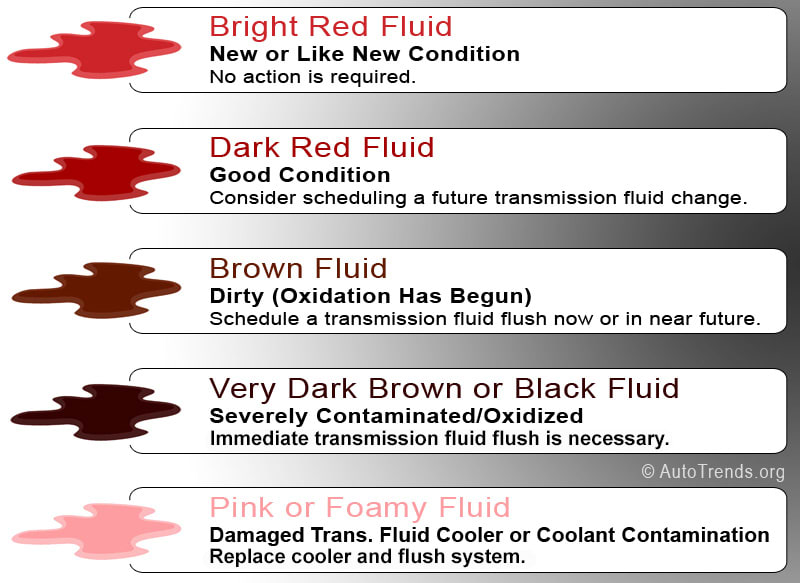
Transmission fluid is typically red or pinkish in color. The hue can help you distinguish it from other car fluids.
Maintaining the health of your vehicle involves keeping an eye on fluid conditions, and transmission fluid plays a crucial role. It lubricates and cools the moving parts inside your transmission.
Over time, this fluid can age and may turn brown or even black if it becomes contaminated or burnt, which signals potential transmission issues.
For car owners, it’s essential to regularly check this fluid not only for proper levels but also for its color, as this can be an early indicator of maintenance needs.
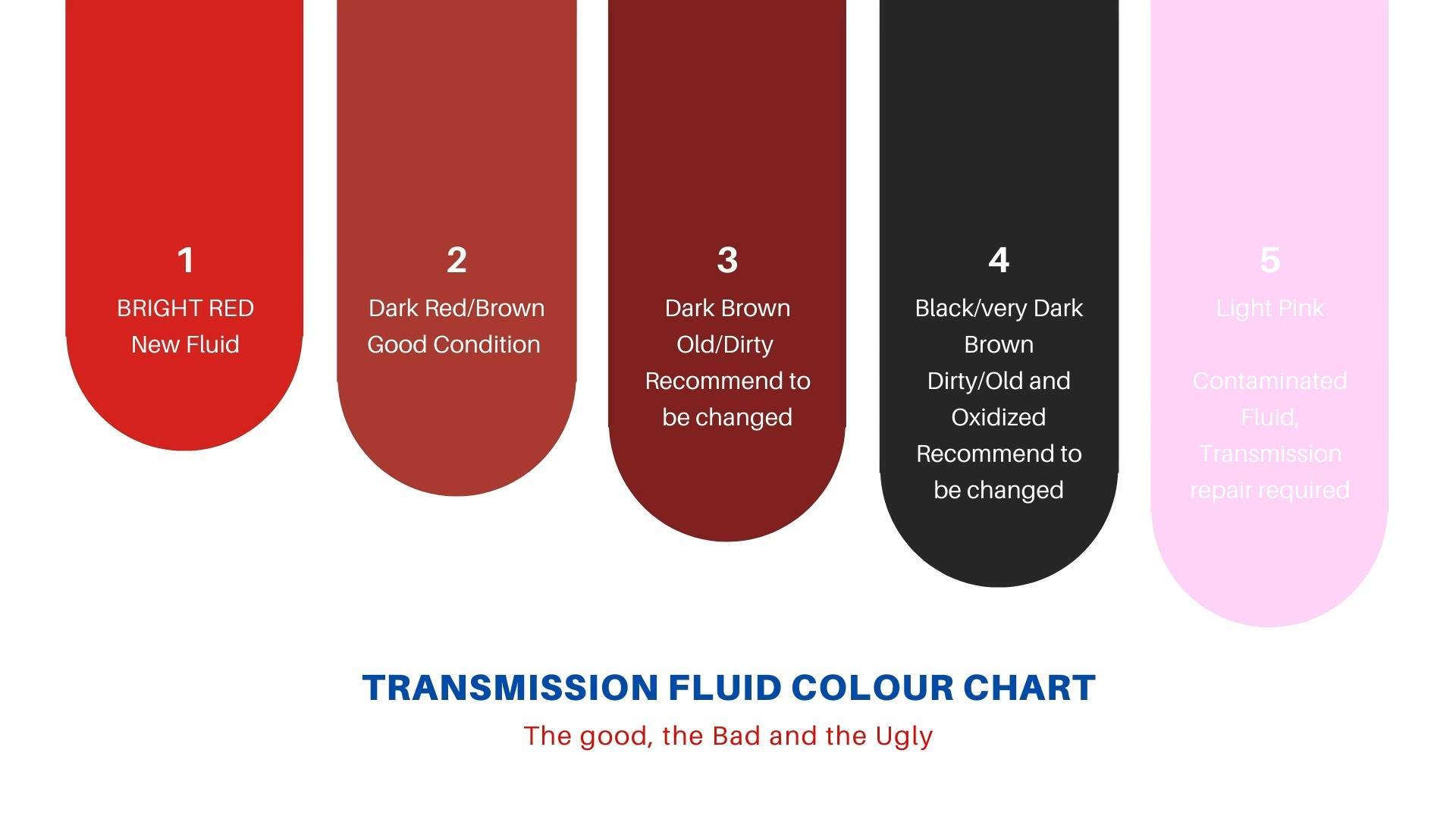
A bright, clear red fluid usually means the transmission is in good shape, whereas a darker color warrants a visit to the mechanic.
Regular checks and timely maintenance can prevent costly repairs and keep your vehicle running smoothly.

Credit: www.eagletransmissionmesquite.com
Transmission Fluid Basics
Think of transmission fluid as the lifeblood of your car’s transmission. It allows your vehicle to shift gears smoothly, without hiccups.
Like engine oil for engines, transmission fluid plays a vital role in your car’s performance and longevity. Knowing its function and the common types helps keep your ride in top shape.
Function In Vehicles
Transmission fluid lubricates the moving parts within your car’s transmission. This lubrication reduces wear and tear, cools the transmission, and helps transmit power from the engine to the wheels. A well-lubricated transmission equals a happy, healthy car.
Common Types
| Type | Characteristics | Color |
|---|---|---|
| Automatic Transmission Fluid (ATF) | Optimized for automatic gearboxes, offers smooth shifts | Red or pink |
| Manual Transmission Fluid | Thicker fluid for manual gearboxes, less frequent changes | Amber to dark red |
| Synthetic Transmission Fluid | Provides enhanced performance, with high-temperature stability | Varies, often brightly colored |
Whether you drive a manual or an automatic, knowing your transmission fluid type ensures your vehicle operates smoothly.
Replace it as recommended, and always look out for clean, bright color as a sign of healthy fluid. If it turns dark or smells burnt, it’s time for a change. Stay vigilant, and your transmission will thank you!

Credit: www.youtube.com
Fresh Fluid Characteristics
Understanding fresh fluid characteristics is crucial for maintaining your vehicle’s transmission. It helps ensure everything runs smoothly.
When checking transmission fluid, its color indicates its condition and health. Fresh, quality fluid has specific colors depending on its type.
Traditional Hue
Fresh traditional transmission fluid is typically a bright, translucent red. This color signals the fluid is clean and free from contaminants. Over time, the color darkens as the fluid collects particles from the transmission.
A visual check can prevent potential issues:
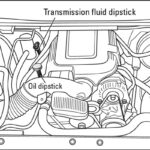
- Locate the transmission fluid dipstick.
- Withdraw the dipstick and observe the fluid color.
- Look for a vivid red hue on the dipstick.
Synthetic Variants
Synthetic transmission fluids expand the color palette. They may appear as amber or slightly greenish in color. The synthetic variants often provide better performance under extreme conditions. Here’s what to check for:
| Type | Color | Key Benefits |
|---|---|---|
| Full Synthetic | Amber to Green | Enhanced durability, better at extreme temperatures. |
| Semi-Synthetic | Light Red to Amber | Balance between traditional and full synthetic. |
Regardless of the type, fresh transmission fluid has a clean, smooth consistency without debris. It also carries a mild odor. Any acrid smell or gritty texture calls for immediate attention.
Remember, the right fluid color and quality protect your transmission and ensure your vehicle operates optimally. Regular checks support your car’s longevity and performance.
Stages Of Fluid Aging
Understanding the Stages of Fluid Aging is key to maintaining a healthy vehicle. Just like any other component, transmission fluid undergoes various changes as it ages. Recognizing these stages can prevent costly repairs and ensure smooth rides.
Early Wear Indicators
Fresh transmission fluid is typically a bright and vibrant red. This is a sign of its health and efficiency. As the fluid begins to age, you may notice:
- Faint color changes, leaning towards a darker red.
- Slight decrease in performance, with gears changing less smoothly.
- A mild burnt odor indicating the start of degradation.
Checking fluid regularly can catch these early wear indicators. This helps to address issues before they escalate.
Mid-life Transitions
As fluid continues to age, the signs become clearer. By the mid-life stage:
- The fluid darkens more, turning into a brownish hue.
- Contaminants build up, possibly seen as particles or debris.
- Transmission response may lag or become erratic.
Such changes signify the fluid is losing its protective qualities. Service or replacement should not be delayed. Ignoring these signs can lead to transmission failure.
Warning Signs: Darkening Fluid
Transmission fluid plays a pivotal role in keeping your vehicle’s gears shifting smoothly. Typically, healthy transmission fluid boasts a bright red color, a clear consistency, and a slightly sweet smell.
Over time, with wear and use, it can darken, indicating potential issues. Recognizing the warning signs such as darkening fluid can save you from future mechanical troubles.
Causes
Darkening transmission fluid occurs due to various reasons:
- Normal wear and tear
- Overheating of transmission
- Contaminants and debris
Recognizing these causes is crucial for maintaining your vehicle‘s health.
Potential Vehicle Impact
A change in fluid color from bright red to dark suggests internal issues that may affect your vehicle, including:
| Impact | Consequence |
|---|---|
| Increased Friction | Gear wear escalates |
| Overheating | Transmission parts may fail |
| Sludge Formation | Blocked channels reduce fluid flow |
Regular checks are essential to spot these warning signs early and prevent damage.
Contamination Clues
Understanding the color of transmission fluid can reveal a lot about the health of a car’s transmission system. Spotting contamination early can save costly repairs down the line.
Identifying Debris
Transmission fluid should be bright red and clear. Dark or dirty fluid signals trouble. It’s important to look for signs of contamination. Tiny particles or contaminants might mean the transmission is wearing out. Here are signs to watch for:
- Dark fluid – May indicate oxidation.
- Brown or black fluid – Suggests severe contamination.
- Cloudy fluid – Points to water or coolant mix.
Regular checks help spot these signs early. Use a clean white cloth to wipe the dipstick. This makes spotting debris easier.
Interpreting Metallic Flakes
Metallic flakes in the fluid are not a good sign. They usually come from gears or clutch material. Silver or shiny particles reflect significant wear. If you see these flakes, act quickly.
| Flake Color | Possible Source |
|---|---|
| Silver | Gear Wear |
| Black or Dark | Clutch Material |
Check the transmission fluid in full daylight for the best visibility of metallic particles.
Credit: m.facebook.com
Fluid Leaks And Stains
Discovering a stain under your vehicle can be alarming. Transmission fluid is essential for smooth gear shifts and the longevity of your transmission.
Recognizing the color and understanding what a leak might mean is key to maintaining your vehicle’s health.
Tracing The Source
To fix a leak, you must first find where it’s coming from. Test the stain on your driveway. Clean transmission fluid is reddish and transparent. With age, it turns darker. Use a piece of white cardboard to help locate and identify the source of the leak.
Assessing The Severity
The severity of a fluid leak is not just about the quantity. Check the fluid’s color and consistency. Dark or burnt-smelling fluid can indicate a severe issue.
- Small drips may simply require tightening connections or replacing a gasket.
- Larger puddles may suggest a faulty seal or a crack in the transmission housing.
Take note of leak size on the cardboard daily. This can help gauge the leak rate.
| Leak Size | Possible Meaning |
|---|---|
| Small Drips | Loose parts or worn seals |
| Larger Puddles | Significant damage or component failure |
The Scent Of Transmission Fluid
Understanding the smell of your car’s transmission fluid is crucial. It can reveal the health of your transmission. A sweet or tart odor is normal. Yet, a burnt or foul scent could signify serious issues.
Normal Odors
Fresh transmission fluid typically has a sweet or slightly tart scent. It’s not strong or offensive. This smell indicates that the fluid is in good condition.
It is doing its job well. Manufacturers design it to have this subtle aroma to be pleasant for technicians.
Smells That Signal Trouble
A burnt smell from your transmission fluid is a red flag.
- It could mean the fluid’s overheated.
- It might signal friction and corrosive wear inside the transmission.
- It often relates to aged fluid needing a change.
A musty or sour scent also hints at problems:
- The presence of contaminants.
- Fluid degradation.
- Potential leaks in the transmission system.
Attend to unusual smells promptly. It can save your transmission from costly damages. Regular checks ensure your car runs smoothly.
Maintenance Tips
Keeping your car in top-notch condition requires attention to detail, especially concerning one critical component: transmission fluid. This fluid works as a hydraulic agent, a coolant, and a lubricant.
Proper maintenance is essential. Here are practical tips to help you maintain your transmission fluid effectively, ensuring your car stays efficient and reliable on the road.
Regular Checks
To prevent transmission issues, regular checks are a must. Here’s how you can keep tabs on your transmission fluid:
- Inspect the color: New fluid is typically pink or red. Dark or burnt-smelled fluid needs replacement.
- Check the level: Use the dipstick. If levels are low, top up as necessary.
- Monitor for leaks: Spotting drips under your car? Fluid might be escaping.
By performing regular checks every month, you catch potential problems early.
Choosing The Right Fluid
Selecting the correct transmission fluid ensures the longevity of your vehicle:
- Consult your manual: The manufacturer specifies the right type for your car.
- Quality matters: Opt for high-quality brands known for performance and durability.
Remember, using the wrong type can damage your transmission. Always go for the recommended item.
| Type of Fluid | Color | Application |
|---|---|---|
| Automatic Transmission Fluid (ATF) | Pink/Red | Automatic Transmissions |
| Manual Transmission Fluid | Yellow/Clear | Manual Transmissions |
| Synthetic Fluid | Varies | Either Transmission Type |
Successful maintenance protects your transmission and keeps your car moving smoothly. Prioritize regular checks and choose the right fluid for your vehicle’s needs. Keep these tips in mind for a well-maintained transmission system.
Frequently Asked Questions
What Color Is Bad Transmission Fluid?
Bad transmission fluid often appears dark brown or black with a burnt smell, indicating contamination or degradation. It should typically be a bright red.
What Color Is Leaking Transmission Fluid?
Leaking transmission fluid typically appears red to brownish and is often slick to the touch. Over time, the fluid can turn darker, resembling engine oil.
What Transmission Fluid Is Red?
Most automatic transmission fluids (ATFs) appear red due to added dyes. These fluids help in lubricating and cooling transmission components.
How To Tell If Transmission Fluid Is Bad?
Check the transmission fluid’s color and smell; good fluid is typically bright red with a sweet odor. Dark or burnt-smelling fluid indicates it may be bad and requires changing.
Conclusion
Understanding the color of transmission fluid is key to vehicle maintenance. Ensuring your fluid is the right hue can save costly repairs.
Remember, fresh fluid typically appears red or amber. Discoloration suggests potential issues. Regular checks keep transmissions healthy and cars running smoothly.
Stay vigilant and drive with confidence.

Sudatta is a passionate automotive enthusiast and expert in the field. With a keen eye for detail and a love for all things automotive, he shares insightful articles and reviews to ignite the automotive passion in readers.