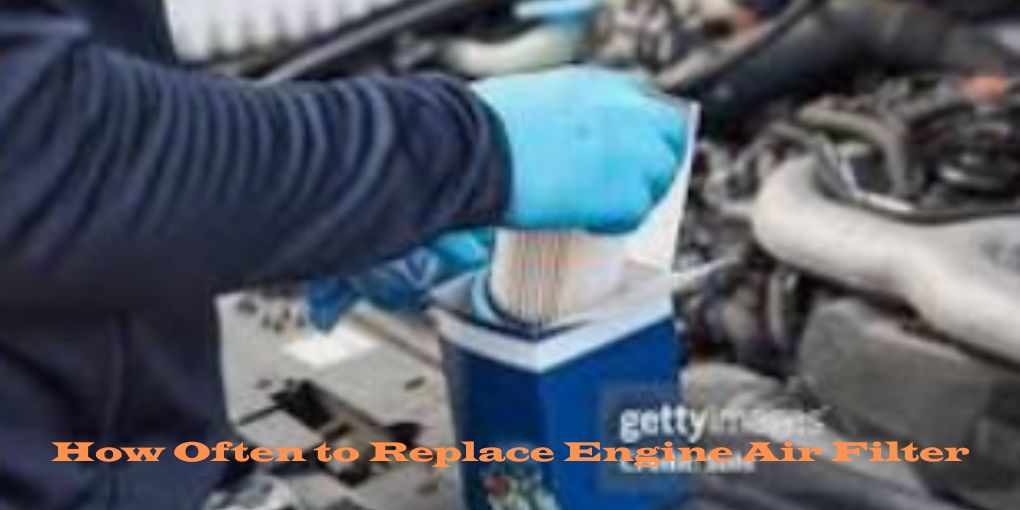
Replace your engine air filter every 12,000 to 15,000 miles or at least once a year. Consult your vehicle’s owner’s manual for manufacturer-specific intervals.
Maintaining your vehicle’s performance and ensuring the longevity of its engine components starts with regular maintenance, one aspect of which is replacing the engine air filter. This seemingly small task plays a crucial role in protecting the engine from dirt and debris.
A clean air filter contributes to efficient fuel combustion, which can improve fuel economy and reduce emissions. Drivers should be mindful of their driving conditions, as dusty or dirty environments may necessitate more frequent replacements.
Staying on top of this maintenance not only supports optimal vehicle performance but also contributes to a healthier engine life, which can save money on costly repairs down the line. Remember, a well-maintained air filter is vital for keeping your engine running smoothly.

Credit: www.instagram.com
Significance Of Engine Air Filters
The Significance of Engine Air Filters cannot be overstated. They function as the lungs for your car, providing clean air to the engine. Just as lungs need to be free of dust and pollutants, so does your engine.
A clean air filter ensures optimal combustion and fuel efficiency. Neglecting to replace it can lead to increased fuel consumption and diminished engine performance.
Role In Vehicle Performance
A clean engine air filter is vital for maintaining vehicle performance. It directly impacts:
- Fuel Efficiency: A dirty filter causes the engine to work harder, using more fuel.
- Power Output: Clogged filters restrict airflow, reducing the engine’s power.
- Emission Control: Proper filtration helps maintain low emissions by ensuring complete fuel combustion.
Replacing the air filter at recommended intervals maintains these performance aspects.
Impact On Engine Longevity
Regularly replacing the engine air filter has a profound impact on engine longevity.
| Dust and Debris | Wear and Tear | Costs Over Time |
|---|---|---|
| Prevents abrasive particles from damaging engine components. | Reduces strain on engine parts, minimizing wear. | Helps avoid costly repairs and engine replacements. |
Timely air filter replacement can extend the lifespan of an engine significantly.
Identifying A Clogged Air Filter
Knowing when to replace your engine air filter is key to car maintenance. A clogged filter can reduce performance and increase fuel consumption. Spotting the signs of a dirty air filter helps you act before it affects your car’s health.
Visual Inspection Clues
A direct look at your engine air filter can reveal a lot. Here are steps and signs to watch for:
- Locate your air filter: Usually found in a black plastic box on top of or to the side of the engine.
- Remove and examine: If the filter looks grey or black, it’s time for a change.
- Check for debris: Leaves, twigs, or excessive dirt signal a clean-up or replacement.
Symptoms While Driving
Your car often shows signs of a clogged filter while on the move. Be alert for these symptoms:
| Symptom | What it means |
|---|---|
| Reduced horsepower | The engine struggles and can’t breathe well. |
| Strange engine sounds | A coughing or popping noise when starting could point to air blockage. |
| Check engine light | The car’s computer detects reduced airflow. |
| Gas mileage drops | A dirty filter makes the engine work harder, using more fuel. |
Pay attention to these clues. They help you decide if it’s time to check the air filter. Quick action promises a smoother ride and better engine life.
Recommended Replacement Intervals
Understanding the recommended replacement intervals for your engine air filter is crucial. It ensures your engine receives clean air, which is vital for efficient performance and longevity. Let’s explore how often you should consider replacing your engine air filter.
Manufacturer’s Guidelines
Each vehicle comes with a specific maintenance schedule designed by its manufacturer. This schedule includes when to replace your engine air filter. Following these guidelines is essential for maintaining your vehicle’s warranty and performance.
- Consult your owner’s manual
- Check for the recommended replacement timeline
- Adhere to the suggested maintenance plan
Mileage-based Benchmarks
Even if you’ve lost your owner’s manual, there are general mileage-based benchmarks you can follow:
| Driving Conditions | Replacement Interval |
|---|---|
| Normal Conditions | Every 15,000 to 30,000 miles |
| Harsh Conditions | Every 5,000 to 10,000 miles |
Normal driving conditions mean regular city or highway driving. Harsh conditions refer to dusty areas, off-road driving, or frequent short trips. Check your air filter if you encounter these conditions regularly.

Credit: www.mbprinceton.com
Factors Affecting Air Filter Longevity
Understanding the longevity of an engine air filter is crucial for vehicle maintenance. Several factors influence when it’s time for a replacement. Here, we’ll explore how driving conditions and vehicle usage can affect air filter life.
Driving Environment
The environment where you drive plays a significant role in air filter wear. Consider these elements:
- Dusty roads shorten filter lifespan.
- Urban traffic causes filters to clog faster.
- Rural areas might mean less frequent changes.
- High pollution areas demand more frequent replacement.
Check your air filter regularly if driving in harsh environments.
Type Of Vehicle Use
How you use your vehicle impacts air filter longevity:
| Vehicle Use Type | Impact on Air Filter |
|---|---|
| Regular commuting | Standard wear |
| Off-roading | Faster accumulation of debris |
| Commercial use | More frequent changes needed |
| Performance driving | Higher airflow requirements |
Assess your driving habits to gauge filter replacement needs.
Choosing The Right Air Filter
Choosing the right air filter for your vehicle is essential for maintaining engine performance and longevity. Not all filters offer the same level of quality or benefits.
Understanding the different materials and types, as well as what factors influence performance, helps you make an informed decision. Ensure peak engine efficiency with the perfect air filter match.
Filter Materials And Types
Air filters come in various materials, each designed for specific needs. Consider your driving conditions and vehicle specifications when selecting the appropriate filter.
- Paper Filters: Common and affordable, ideal for standard city driving.
- Foam Filters: Offer excellent dust trapping, suitable for off-road or dusty conditions.
- Cotton Filters: Reusable and durable, delivering increased airflow for performance vehicles.
Considerations For Optimal Performance
To ensure optimal engine health, factor in the following:
| Consideration | Details |
|---|---|
| Driving Environment | Dusty, urban, or rural areas impact filter lifespan. |
| Car Manufacturer’s Guidelines | Always align with the recommendations for your specific model. |
| Performance Needs | High-performance engines benefit from higher grade filters. |
Check the filter during routine maintenance and replace it as needed to keep your engine in top shape.
Step-by-step Replacement Guide
Welcome to the Step-by-Step Replacement Guide for your engine air filter. This guide is tailored to help vehicle owners change their air filters with ease.
Regular replacement of the air filter is crucial for optimal engine performance and longevity. Let’s dive into the process with a clear and concise breakdown:
Tools And Preparation
Before starting, make sure you have the right tools. You’ll need:
- Screwdriver or clamp remover (type varies by vehicle)
- New air filter (check your vehicle’s manual for the correct size)
- Gloves to keep your hands clean
With tools at hand, locate your engine’s air filter housing. It’s typically a black plastic box near the engine. Consult your vehicle’s manual for specifics.
Detailed Replacement Procedure
- Turn off the engine to ensure safety.
- Open the hood and secure it using the hood prop.
- Locate the air filter housing and remove the cover. Use a screwdriver or clamp remover as needed.
- Take out the old air filter. Note how it’s installed to insert the new one correctly.
- Inspect the housing. Clean any debris with a damp cloth.
- Place the new air filter in the housing, following the orientation of the old filter.
- Reattach the cover, ensuring it’s secured firmly without overtightening.
- Double-check your work. Make sure everything is back in place.
- Start the engine briefly to ensure the cover is installed properly and there’s no unusual noise from the air filter area.
Air filter replacement is a simple maintenance task that greatly benefits your vehicle. Perform this replacement every 12,000 to 15,000 miles. Frequency may vary based on driving conditions. Refer to the manual for specifics tailored to your vehicle model.
Professional Vs. Diy Replacement
Knowing when to replace your engine air filter is crucial for vehicle health. Deciding between a professional mechanic or a DIY route comes down to comfort level and technical know-how. Each approach has its advantages.
When To Visit A Mechanic
Complex car models may need a mechanic. They have tools and knowledge for a quick swap. Look for signs like poor acceleration or unusual engine sounds. If in doubt, a mechanic should check it.
Tips For Do-it-yourselfers
- Check your manual for the filter type and location.
- Organize your tools. Typically, you’ll need a screwdriver or clamp.
- Inspect the old filter. Dark, clogged filters need replacement.
- Snap a picture before removing the old filter. It helps with positioning the new one.
- Gently insert the new filter. Make sure it fits snugly.
Replacing your engine air filter is a simple maintenance task. It boosts performance and optimizes fuel economy. Choose the best method for you and ensure clean air for your engine.
Extending The Life Of Your Air Filter
Keeping an engine air filter in top condition is key for vehicle health. A clean air filter improves performance. It also saves on fuel costs and minimizes emissions.
Learn maintenance tips to extend its life. Discover when to clean versus when to replace it. Each step can help your air filter last longer before needing a swap.
Maintenance Best Practices
Follow these tips to keep your air filter working well:
- Check your air filter every oil change.
- Follow your vehicle’s manual guidelines for air filter care.
- Ensure the air filter box seals correctly.
- Avoid driving in dirty or dusty conditions when possible.
Cleaning Vs. Replacing
Different filters have different needs:
Disposable filters: Replace these as per the car’s manual or when dirty.
Reusable filters: Clean these according to the manufacturer’s instructions.
| Type | Action |
|---|---|
| Paper Filter | Replace |
| Cotton Filter | Clean |
Using the right cleaning solutions and methods ensures a longer life for reusable filters.
Atypical Air Filter Issues
Most drivers know the standard advice for air filter replacement. But what about unusual air filter problems? Issues beyond regular wear can signal deeper concerns. This section dives into those rare but important scenarios.
Recognizing Uncommon Problems
Not all air filter issues are easy to spot. Look out for these signs:
- Odd engine noises: A filter needing attention might cause racket under the hood.
- Reduced horsepower: If your car feels sluggish, a clogged filter could be to blame.
- Black, sooty smoke or flames: These are clear alerts that the air filter is failing to do its job.
Inspections during oil changes are smart. Early problem detection is crucial.
Addressing Severe Filtration Failures
When problems are detected, action is necessary. Here’s what to do:
- Check the filter: If it’s dark and dirty, a replacement is overdue.
- Consider the environment: Dusty or polluted areas might demand more frequent changes.
Sometimes, a simple replacement isn’t enough. In cases of severe damage, consider seeking a professional mechanic’s advice.
| Issue | Action |
|---|---|
| Oily Filter | Replace and check for engine issues. |
| Excessive Dirt beyond normal | Clean the air intake system and replace the filter. |
Environmental And Economic Impact
Environmental and Economic Impact of replacing your engine air filter is larger than many might expect. This simple maintenance task can lead to better fuel economy.
It also reduces harmful emissions. Ignored, it can cost you money and harm the environment. Let’s explore both the benefits and pitfalls of filter maintenance.
Benefits Of Timely Replacements
- Improved fuel efficiency: A clean filter allows air to flow freely, aiding combustion.
- Reduced emissions: A new filter means cleaner air and fewer pollutants.
- Extended engine life: Clean air prevents engine wear and tear.
The Cost Of Neglect
Bypassing regular air filter changes can lead to:
| Consequence | Impact |
|---|---|
| Decreased MPG | More frequent refuels are bad for your wallet and the planet. |
| Engine Damage | Dirt in the engine can cause costly repairs. |
| Higher Emissions | Poor air quality affects health and the environment. |

Credit: www.hudsonnissan.com
Frequently Asked Questions Of How Often To Replace Engine Air Filter
How Long Can Engine Air Filter Last?
An engine air filter typically lasts between 15,000 to 30,000 miles, but it’s best to consult your vehicle’s manual for specific recommendations. Regular checks during service can ensure it’s replaced when necessary.
How Often Should You Change Engine Air Filter?
Change your engine air filter every 15,000 to 30,000 miles, but check your owner’s manual for specifics. Frequent dusty or dirty driving conditions may necessitate shorter intervals.
How Do I Know If My Engine Air Filter Needs Replacing?
Check your engine air filter for noticeable dirt, reduced horsepower, strange engine noises, or a decrease in fuel efficiency. A visibly dirty or clogged filter typically needs replacement.
What Happens If You Don’t Change Your Engine Air Filter?
Neglecting to change your engine air filter leads to reduced airflow, diminishing performance, and increased engine wear. Ignore it and you may face lower fuel efficiency and potential engine damage.
Conclusion
Regular maintenance is key to your car’s longevity and efficiency. Replacing the engine air filter as recommended— typically every 12,000 to 15,000 miles—ensures your engine breathes easily.
Remember, a clean filter spells better performance and fuel economy. Check your manufacturer’s guidelines and drive confidently, knowing you’re taking great care of your vehicle.

Sudatta is a passionate automotive enthusiast and expert in the field. With a keen eye for detail and a love for all things automotive, he shares insightful articles and reviews to ignite the automotive passion in readers.